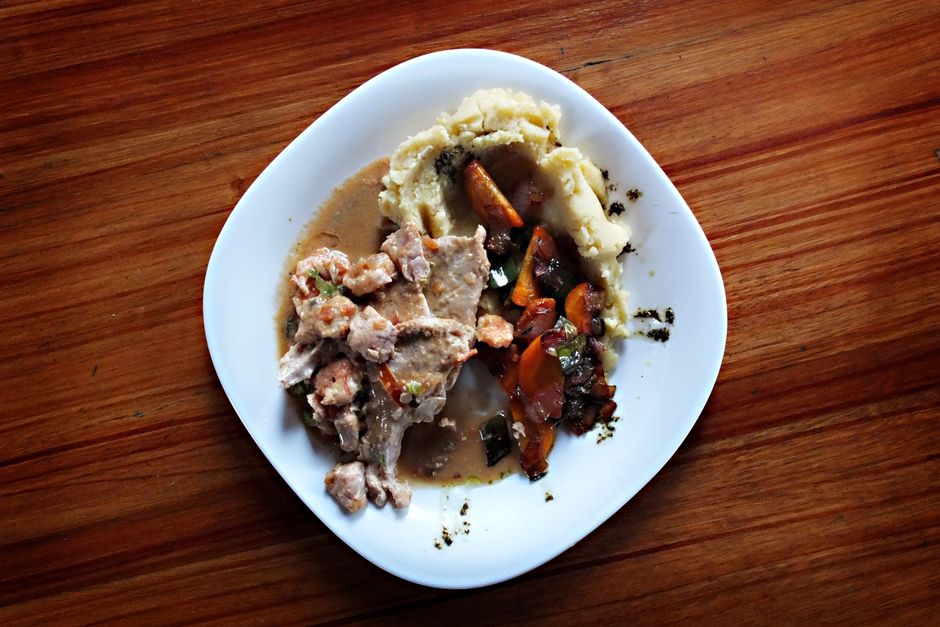
You’re standing in the grocery aisle wondering if that bag of potatoes is going to sabotage your weight loss efforts. It’s a fair question — and the short answer might surprise you.
Is mash good for weight loss? Yes, mashed potatoes can fit into a weight loss plan when prepared without heavy cream, butter, or excessive salt. A half-cup serving of plain mashed potatoes has about 110 calories and provides resistant starch, which may help with appetite control. The key is how you make them and what you pair them with.
Most weight loss advice tells you to avoid white potatoes entirely. But the evidence is more nuanced than that. Potatoes are actually one of the most filling foods per calorie, according to the satiety index. The problem isn’t the potato itself — it’s the butter, cream, cheese, and bacon we add.
This article covers what the research actually says about mashed potatoes and weight loss. You’ll get practical tips for making them work for your goals, not against them.
Key Points at a Glance
| Point | What It Means | Why It Matters |
|---|---|---|
| Calorie density | Plain mash has ~110 calories per half cup | Easy to fit into a calorie deficit |
| Resistant starch | Cooled potatoes form resistant starch | May improve gut health and reduce blood sugar spikes |
| Satiety score | Potatoes rank highest among tested foods | Keeps you full longer than rice or pasta |
| Preparation matters | Butter and cream add 100+ calories per tablespoon | Small additions can double the calorie count |
| Portion control | One medium potato = ~1 cup mash | Stick to half cup servings for best results |
What Does the Research Say About Potatoes and Weight Loss?
The common belief that potatoes cause weight gain comes from observational studies. These studies show that people who eat fried potatoes tend to weigh more. But they don’t prove that potatoes themselves cause the gain.
Controlled trials tell a different story. A 2020 study found that people eating non-fried potatoes as part of a reduced-calorie diet lost just as much weight as those eating the same diet without potatoes. The participants also reported feeling less hungry.
Practical tip: I always keep cooked, cooled potatoes in my fridge. When I reheat them, the resistant starch stays higher than freshly boiled potatoes. It makes a noticeable difference in how full I feel after meals.
How Many Calories Are in Mashed Potatoes?
Plain mashed potatoes made with water and a pinch of salt contain about 110 calories per half-cup serving. Add one tablespoon of butter, and you’re at 210 calories. Add cream or whole milk, and that number climbs higher.
Restaurant versions are the biggest trap. Many use heavy cream and butter in amounts that push a single serving past 300 calories. Homemade mash gives you full control over what goes in.
A simple swap: use low-fat milk or unsweetened almond milk instead of cream. Roast garlic instead of adding butter for flavor. These changes can cut calories by half while keeping the texture you want.
Is Mash Good for Weight Loss When You Add Mix-Ins?
This is where the answer gets tricky. Plain mash can support weight loss. Mash loaded with butter, cream, cheese, and bacon will not. The question “is mash good for weight” depends almost entirely on what you add to it.
Some mix-ins actually help. Greek yogurt adds protein and creaminess without the fat of sour cream. Cauliflower blended in adds volume and fiber for very few calories. Chicken broth adds flavor without significant calories.
I’ve found that using Yukon Gold potatoes gives a naturally creamy texture with less butter needed. Their waxy nature means you can mash them with just a splash of milk and still get a smooth result.
How to Make Mashed Potatoes That Support Weight Loss
Start with the right potato. Russets are fluffy but absorb more liquid and fat. Yukon Golds or red potatoes hold their shape better and need less added fat to taste good.
Boil potatoes in salted water until fork-tender. Drain well — excess water dilutes flavor and makes you want to add more butter. Mash while hot, then add your liquid of choice.
For the best texture, use a ricer or food mill instead of a hand masher. This gives you a smooth result without needing extra cream. Season with salt, pepper, and herbs like chives or parsley.
- Use low-fat milk or unsweetened almond milk instead of cream
- Add roasted garlic instead of butter
- Mix in plain Greek yogurt for protein and tang
- Fold in steamed cauliflower for extra volume
- Season generously with herbs to reduce the need for salt
Portion control matters more than you think. A half-cup serving is about the size of a tennis ball. Use a measuring cup at first to train your eye. Most people serve themselves double that amount without realizing it.
Does the Glycemic Index of Mashed Potatoes Matter?
Mashed potatoes have a high glycemic index, which means they can raise blood sugar quickly. This has led many to avoid them entirely. But the glycemic index tells an incomplete story.
When you eat potatoes as part of a mixed meal with protein and fiber, the blood sugar response is much smaller. Pair your mash with chicken, fish, or beans and a side of vegetables. This combination slows digestion and keeps your blood sugar stable.
Cooling potatoes after cooking also reduces their glycemic impact. The resistant starch that forms acts like fiber, feeding gut bacteria and reducing the blood sugar spike. This is one reason potato salad may be better for weight control than hot mashed potatoes.
Common Mistakes That Turn Mash Into a Weight Loss Problem
Adding too much butter is the most obvious mistake. One tablespoon has 100 calories and 11 grams of fat. Most people add two or three tablespoons without measuring.
Using whole milk or heavy cream adds calories quickly. A quarter-cup of heavy cream has 200 calories. Swap for low-fat milk and save 150 calories per serving.
Skipping the scale or measuring cups leads to oversized portions. A typical dinner-plate serving of mash can easily be two cups or more. That’s 440 calories for plain mash, and much more with add-ins.
Eating mash as a standalone meal without protein or vegetables means you’ll be hungry again soon. The blood sugar spike and crash can trigger cravings later in the day.
What About Cauliflower Mash Instead?
Cauliflower mash has about 25 calories per half-cup compared to 110 for potato mash. It also has more fiber and fewer carbohydrates. For some people, this swap works well for weight loss.
But cauliflower mash doesn’t have the same satiety score as potatoes. You might find yourself eating more of it to feel full, which reduces the calorie advantage. Texture is also different — cauliflower mash is less creamy and can feel watery if not drained properly.
The best approach might be a blend. Mix half potato and half cauliflower for a lower-calorie mash that still satisfies. This gives you the best of both worlds without feeling deprived.
Related Articles
Frequently Asked Questions
Can I eat mashed potatoes every day and still lose weight?
Yes, as long as your total daily calories stay within your weight loss target. Stick to half-cup servings made with minimal butter and cream.
How many calories are in homemade mashed potatoes?
Plain mashed potatoes with a little milk have about 110 calories per half cup. Adding butter increases that to 200 calories or more.
Are instant mashed potatoes good for weight loss?
Instant mash often contains added butter, cream, and sodium that make it less ideal. Check labels carefully, as some brands have 200 calories per serving.
Does reheating mashed potatoes change their calorie content?
No, but cooling and reheating increases resistant starch, which may help with blood sugar control and gut health. This is a net positive for weight loss.
Is mash good for weight loss compared to rice or pasta?
Potatoes have a higher satiety score than both rice and pasta, meaning they keep you fuller longer. This can help you eat fewer calories overall.
What is the best potato for low-calorie mash?
Yukon Gold potatoes need less added fat for a creamy texture. Red potatoes also work well and have slightly fewer calories than Russets.
Use our TDEE Calculator to find your exact calorie target for weight loss. Knowing your numbers makes it easier to fit foods like mashed potatoes into your plan without guesswork.

The TDEECAL Team writes about nutrition, metabolism, and fat loss the way we built our calculator, with real numbers and no hype. We dig into the research so you don’t have to guess.