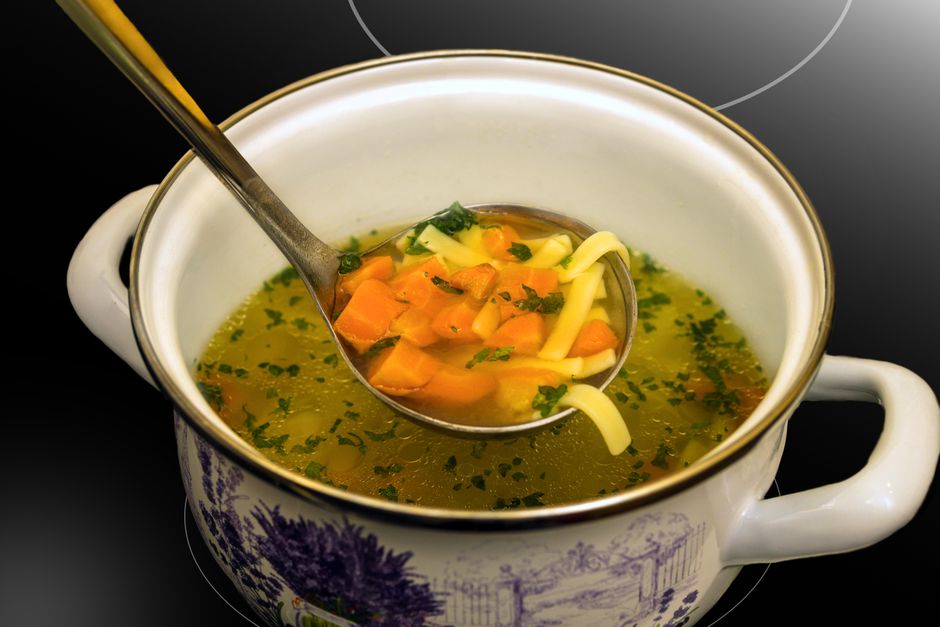
Soup diets have cycled in and out of popularity for decades, yet the question of whether they actually work for lasting weight loss remains a common one. The answer depends less on the word “soup” and more on what is actually in your bowl.
Are soup diets good for weight loss? Yes, they can be an effective short-term strategy because soup’s high water content increases fullness while lowering overall calorie intake, but they are not a sustainable long-term solution on their own. Most soup diets work because they replace higher-calorie meals with lower-calorie, high-volume options, creating an automatic calorie deficit. The key is choosing soups that are balanced with protein and fiber rather than relying on broth alone.
This guide breaks down what the evidence actually says, which soup strategies work, and how to use them without losing muscle or slowing your metabolism. We will also look at the common mistakes people make when they start a soup diet, so you can avoid them from day one.
Key Points at a Glance
| Point | What It Means | Why It Matters |
|---|---|---|
| Calorie Density | Soup has high water content, so it fills your stomach with fewer calories than solid food. | This makes it easier to stay in a calorie deficit without feeling hungry. |
| Protein Needs | Soups often lack enough protein unless you add meat, beans, or lentils. | Low protein intake leads to muscle loss and a slower metabolism. |
| Duration Limits | Most soup diets are designed for 5–14 days, not months. | Extended use can cause nutrient deficiencies and boredom with eating. |
| Sodium Content | Canned and restaurant soups are often very high in sodium. | High sodium causes water retention and temporary weight gain on the scale. |
| Reintroduction Phase | How you transition back to regular food determines long-term success. | Going straight back to old eating habits usually results in regaining the weight. |
What Does the Research Say About Soup and Satiety?
Studies have consistently shown that eating soup before or as a meal increases fullness more than the same ingredients served as solid food. Research published in the American Journal of Clinical Nutrition found that participants who ate soup as a first course consumed about 20 percent fewer calories at the main meal. The water in soup slows how quickly food leaves your stomach, which extends the feeling of being full.
That said, not all soups are created equal. A creamy chowder loaded with cream and cheese can contain more calories than a burger and fries. The research supports broth-based soups with vegetables and lean protein, not the thick, high-fat versions served at many restaurants.
Cook’s note: I always add a pinch of vinegar or lemon juice to vegetable soups before serving. The acidity brightens the flavor and makes the soup feel more satisfying without adding any calories.
Are Soup Diets Good for Weight Loss Without Losing Muscle?
The biggest risk with most soup diets is protein deficiency. The classic cabbage soup diet, for example, provides less than 30 grams of protein per day, which is far below what your body needs to preserve muscle tissue. When you cut calories quickly and skimp on protein, your body breaks down muscle for energy, which lowers your resting metabolic rate.
To protect your muscle, aim for at least 20 to 30 grams of protein per bowl of soup. That means adding chicken breast, turkey, white beans, lentils, or tofu to every batch you make. A simple rule: if your soup does not have a visible source of protein in every spoonful, it is not a meal.
Weight loss that comes from muscle loss is not healthy or sustainable. The number on the scale may drop quickly, but your metabolism slows down, making it harder to keep the weight off later.
How Many Calories Should Your Soup Meal Contain?
There is no single calorie target that works for everyone, because your needs depend on your age, height, weight, and activity level. A reasonable starting point for a soup-based meal is 300 to 400 calories for women, which typically supports weight loss without extreme restriction. For men, aim for 400 to 500 calories per soup meal.
You can calculate your personal daily calorie needs using our TDEE Calculator to get a baseline number. From there, subtract 300 to 500 calories for weight loss, and divide that across your meals. Never drop below 1,200 calories per day as a woman without medical supervision, because that is the clinical minimum for getting adequate nutrients.
One of the most effective strategies is to use soup as a starter rather than the entire meal. Having a bowl of broth-based soup before a balanced dinner helps you eat less of the higher-calorie main course without feeling deprived.
What Are the Best Soups for Weight Loss?
The best weight loss soups share three qualities: they are broth-based, high in fiber, and contain lean protein. Vegetable soup with chicken breast, lentil soup, minestrone, and black bean soup are all excellent options. These soups typically range from 150 to 250 calories per serving, depending on the exact ingredients and portion size.
Here is a quick breakdown of what to look for and what to avoid:
- Choose: Clear broths, tomatoes, leafy greens, carrots, celery, beans, lentils, chicken, turkey, or fish.
- Avoid: Cream-based soups, coconut milk bases, cheese-topped soups, and anything made with white flour as a thickener.
- Watch: Canned soups often contain 700 to 900 mg of sodium per serving, which is nearly half your daily limit. Rinse canned beans and look for low-sodium labels.
When making soup at home, batch cooking on Sunday sets you up for the whole week. Portion each batch into individual containers so you do not have to think about portion control when you are hungry.
How Long Can You Stay on a Soup Diet?
Most structured soup diets are designed to last between 5 and 14 days. This short duration is intentional, because eating mostly soup for longer than two weeks makes it very difficult to get enough variety in your nutrients. You would likely miss out on essential fats, certain vitamins, and adequate protein over time.
After the initial period, the goal is to transition to a balanced eating pattern where soup remains a regular part of your routine, not the only thing you eat. Use soup as a lunch or dinner option three to five times per week, paired with a side salad or a piece of fruit. This approach gives you the calorie-lowering benefits of soup without the risks of an all-liquid diet.
Practical tip: If you feel dizzy, extremely fatigued, or notice hair thinning during a soup diet, stop immediately and return to balanced meals. These are signs your body is not getting enough energy or protein.
What Happens After the Soup Diet Ends?
The transition phase is where most people fail. If you go from eating soup for two weeks straight back to your previous eating habits, the weight will come back quickly, often within a few weeks. Your body has adapted to a lower calorie intake, so suddenly increasing calories can cause rapid water retention and fat regain.
To prevent this, gradually reintroduce solid foods over one to two weeks. Start by adding a small portion of whole grains like brown rice or quinoa to your soup meals. Then slowly swap one soup meal per day for a regular balanced meal until you are back to a normal eating pattern. This gradual approach gives your metabolism time to adjust.
The people who keep the weight off are the ones who use the soup diet as a reset, not a cure. They learn portion control and vegetable-heavy eating during the soup phase, then carry those habits forward into their regular diet.
Related Articles
Frequently Asked Questions
Are soup diets good for weight loss in the long term?
No, soup diets are not designed for long-term use and can cause nutrient deficiencies if followed for months. They work best as a short-term reset of 5 to 14 days to kickstart weight loss.
Can you eat soup for every meal?
Eating soup for every meal is not recommended because it is difficult to get enough protein, healthy fats, and certain vitamins. Your body needs food variety to function properly.
How much weight can you lose on a soup diet?
Most people lose 3 to 7 pounds in the first week, but much of that is water weight, not fat. Sustainable fat loss is typically 1 to 2 pounds per week.
Is the cabbage soup diet safe?
The cabbage soup diet is very low in protein and calories, making it unsafe for more than a few days. It can cause fatigue, dizziness, and muscle loss.
What is the best soup to eat for weight loss?
Broth-based soups with vegetables and lean protein, like chicken vegetable or lentil soup, are the best options. They are high in fiber and protein while staying low in calories.
Can you eat crackers with soup on a diet?
Saltine crackers add empty calories and refined carbs that spike blood sugar. If you need crunch, add a small handful of pumpkin seeds or a side of raw vegetables instead.

The TDEECAL Team writes about nutrition, metabolism, and fat loss the way we built our calculator, with real numbers and no hype. We dig into the research so you don’t have to guess.