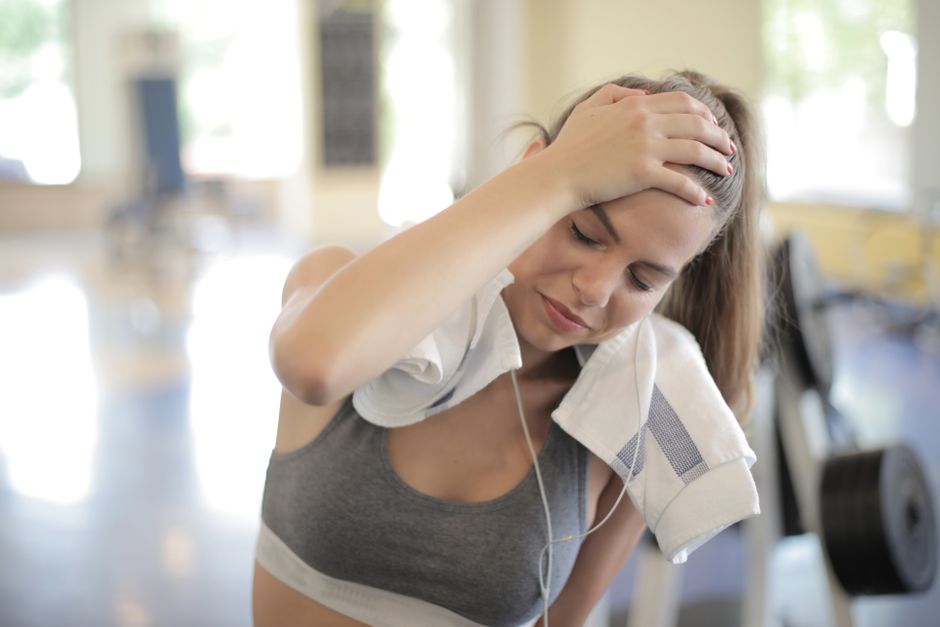
You step off the treadmill dripping with sweat and feel like you’ve earned that number on the scale. But is sweating important for weight loss, or is it just a sign of hard work that doesn’t directly burn fat?
The short answer is no. Sweating itself does not directly cause fat loss. The weight you lose from sweating is almost entirely water weight, which your body will quickly replenish once you rehydrate. True weight loss comes from a sustained calorie deficit, not from how much you perspire during a workout.
Many people confuse sweating with a good workout. They think more sweat means more calories burned. This is a common and frustrating misunderstanding that can lead to poor choices, like wearing heavy clothing to the gym.
This article will explain what sweating actually signals, why it is not a reliable measure of calorie burn, and what really drives weight loss. We will separate the facts from the myths so you can focus on what works.
Key Points at a Glance
| Point | What It Means | Why It Matters |
|---|---|---|
| Sweat is water, not fat | Weight lost through sweat is temporary water loss | Prevents false hope from scale fluctuations |
| Sweat does not equal calories burned | You can sweat heavily from a low-intensity walk in heat | Focus on effort and duration, not perspiration |
| Hydration affects sweat rate | Well-hydrated people sweat more efficiently | Dehydration can limit performance and calorie burn |
| Real weight loss needs a calorie deficit | Eating fewer calories than you burn over time | Sweating is irrelevant to this equation |
| Sweating can signal intensity | High-intensity exercise often produces more sweat | Use it as one clue, not the sole measure |
What Does Sweating Actually Mean for Your Body?
Sweating is your body’s cooling system. When your core temperature rises during exercise, sweat glands release moisture onto your skin. As that moisture evaporates, it carries heat away, keeping you from overheating.
This process has nothing to do with burning fat. You can sweat profusely sitting in a sauna or walking in humid weather, and you will not lose any fat. The scale might drop a pound or two, but that is water loss, not a change in body composition.
I always notice that my heaviest sweat sessions happen on humid summer runs, yet my calorie burn is often lower than a steady indoor spin class where I barely glisten. The environment plays a huge role.
Is Sweating Important for Weight Loss or Just Water Loss?
When people ask if sweating is important for weight loss, they usually mean fat loss. And the answer remains clear: sweating does not burn fat. Fat loss happens when your body breaks down stored fat for energy, which occurs during a calorie deficit over time.
That drop on the scale after a sweaty workout is mostly water and glycogen. Your body will replace that water within hours of drinking fluids. The only lasting change comes from the calories you burned during the activity itself.
Practical tip: Weigh yourself at the same time each morning, after using the bathroom and before eating or drinking. This gives you a more accurate trend than comparing a post-workout weight to a morning weight.
What Actually Drives Weight Loss?
Weight loss comes down to energy balance. You need to consistently consume fewer calories than your body burns. This is called a calorie deficit, and it is the only mechanism that reliably leads to fat loss over time.
Exercise helps by increasing the calories you burn, but diet plays a larger role for most people. It is much easier to eat 500 fewer calories than to burn 500 extra calories through exercise. A single doughnut can undo an hour of sweating.
To find your personal calorie needs, you can use a TDEE Calculator to estimate your maintenance calories and create a realistic deficit. This gives you a target to work from, not a guess.
Common Mistakes People Make About Sweating and Weight Loss
One common mistake is wearing sweat suits or plastic wraps during exercise. This increases water loss but does not burn extra fat. It can also lead to dangerous dehydration and heat illness.
Another mistake is assuming a less sweaty workout is a waste of time. Low-intensity activities like walking or yoga can support weight loss by increasing your daily calorie burn without stressing your joints or recovery.
Some people also skip drinking water during exercise to avoid gaining back water weight. This backfires. Dehydration reduces your performance, meaning you burn fewer calories overall. Stay hydrated for better results.
How to Measure Your Workout Effectiveness Without Sweat
Instead of relying on sweat, track your effort using perceived exertion or heart rate. A moderate-intensity workout where you can talk but not sing is a good benchmark for fat burning and cardiovascular health.
Duration and consistency matter more than intensity alone. A 45-minute brisk walk five days a week can produce meaningful weight loss over time. Sweat does not need to be present for progress to happen.
You can also track non-scale victories like how your clothes fit, your energy levels, and your endurance during daily activities. These are better indicators of fat loss than a sweaty shirt.
Related Articles
Frequently Asked Questions
Does sweating more mean I burned more calories?
No. Sweat rate is influenced by temperature, humidity, and individual genetics, not calorie burn. Two people doing the same exercise can sweat very different amounts.
Can I lose weight by sitting in a sauna?
You will lose water weight temporarily, but it is not fat loss. The weight returns as soon as you rehydrate, and sauna use carries risks of dehydration.
Is sweating important for weight loss if I feel lighter after?
Feeling lighter is from water loss, not fat loss. It can be misleading if you treat it as real progress toward your weight goal.
Should I avoid drinking water during exercise to sweat more?
No. Dehydration harms performance and can be dangerous. Drink water before, during, and after exercise for safety and better results.
Does sweating help detox your body for weight loss?
Your liver and kidneys handle detoxification, not your sweat glands. Sweating removes very small amounts of waste, but it is not a meaningful detox mechanism.
How can I tell if my workout is effective without sweating?
Use your heart rate or perceived effort. If you can maintain a conversation but not sing, you are in a good zone for fat burning and fitness.

The TDEECAL Team writes about nutrition, metabolism, and fat loss the way we built our calculator, with real numbers and no hype. We dig into the research so you don’t have to guess.