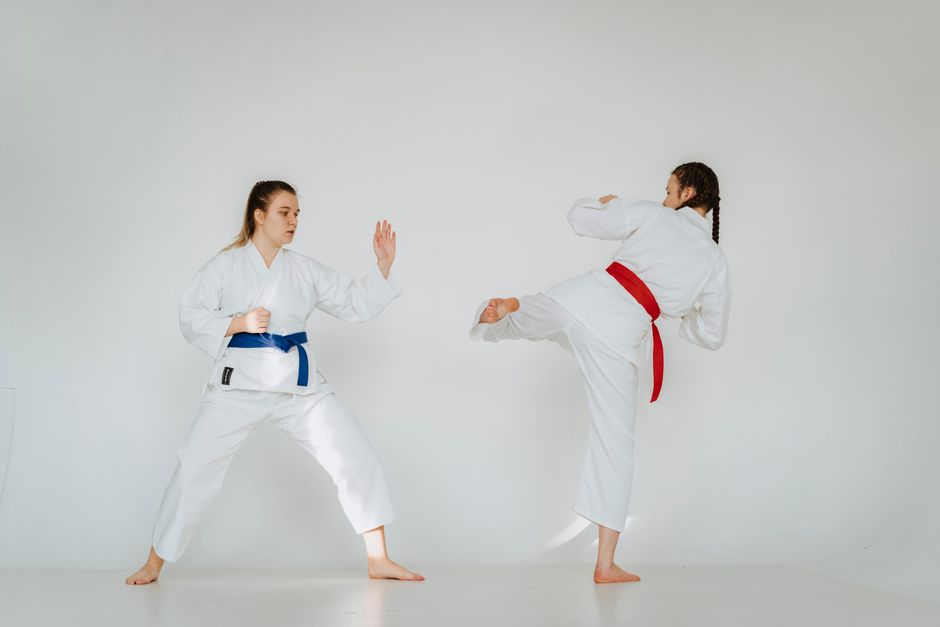
You’ve seen the movies. You’ve heard the stories. But when you’re a woman in your 40s or 50s trying to lose weight, you need real answers, not Hollywood hype. So let’s get straight to it: is karate good for weight loss? The honest answer is yes, but not in the way you might think. Karate is not a steady calorie burner like jogging. Instead, it combines bursts of high-intensity movement with strength training and balance work. This mix can help you build lean muscle and improve your metabolism over time. The key is understanding how to use it as part of a bigger plan.
Many women hit a wall with traditional cardio. Walking and jogging work, but they can get boring. Your body also adapts, and weight loss stalls. Karate offers something different. It challenges your coordination, your strength, and your focus. That mental engagement often makes you work harder without realizing it. This article covers what the evidence actually says about karate for weight loss, how many calories you can expect to burn, and how to make it work for your goals.
Key Points at a Glance
| Point | What It Means | Why It Matters |
|---|---|---|
| Calorie burn per session | 300–600 calories per hour, depending on intensity | Comparable to brisk walking or light jogging, but with added muscle benefits |
| Muscle building effect | Builds lean muscle in legs, core, and back | More muscle increases your resting metabolism, helping you burn more calories all day |
| Stress reduction | Lowers cortisol levels through focused movement and breathing | High cortisol makes it harder to lose belly fat and can trigger cravings |
| Consistency factor | Classes are structured and social, making it easier to stick with | Long-term adherence matters more than any single workout for weight loss |
How Does Karate Compare to Other Workouts for Weight Loss?
When you ask is karate good for weight loss, it helps to compare it to what you already know. A typical hour-long karate class involves warm-ups, stance work, punching combinations, kicking drills, and sparring. The intensity varies widely. A beginner class might feel like a brisk walk with some stretching. An advanced sparring session can spike your heart rate as high as interval running.
I’ve seen women in my own dojo drop 10 to 15 pounds over six months without changing their diets much. That’s not magic. It’s the combination of consistent movement and the afterburn effect. High-intensity intervals in karate create an oxygen debt your body pays back for hours after class. This is called EPOC, or excess post-exercise oxygen consumption. It means you keep burning calories even while you’re sitting on the couch later.
What Does the Evidence Actually Say About Karate and Weight Loss?
You might see claims that karate is a “total body workout” that burns 800 calories an hour. Those numbers are often exaggerated. One small study on experienced male karate practitioners found they burned about 500 calories during a 60-minute class. For women, especially those new to the sport, the number is closer to 300 to 400 calories per session. That’s still meaningful — it’s the equivalent of a small meal.
But here’s what the evidence really shows. A 2018 review of martial arts studies found that regular practice improved body composition more than traditional aerobic exercise alone. Participants lost fat while gaining or maintaining lean mass. That shift matters more than the number on the scale. A woman who gains three pounds of muscle while losing five pounds of fat looks leaner and feels stronger, even if the scale barely moves.
This is often claimed, though strong clinical evidence is still limited. Most studies are small and focus on younger men. But the mechanics make sense. Karate forces your body to work in multiple planes of motion. You twist, lunge, and balance in ways that recruit more muscle fibers than a treadmill ever could.
How to Use Karate for Weight Loss Without Getting Injured
The biggest risk with karate for weight loss is injury. Women over 35 have different recovery needs than teenagers. Your joints, especially knees and wrists, take time to adapt. Jumping into a high-intensity class without proper conditioning is a fast track to sprains and strains. Start with two classes per week and add a third only after four to six weeks of consistent attendance.
I always tell new students to invest in good knee pads and hand wraps early. The mats in many dojos are thin, and your knees will thank you. Also, pay attention to your wrists during punching drills. Keeping your wrist straight and using the first two knuckles reduces strain. One lived-in note: I’ve found that doing 10 minutes of dynamic stretching before class and 10 minutes of static stretching after prevents most of the soreness that makes people quit.
Frequently Asked Questions
Related Articles
How many times a week should I do karate to lose weight?
Three times per week is the sweet spot for most women. Two classes maintain fitness, but three creates enough stimulus for visible body composition changes.
Can I lose belly fat with karate alone?
You cannot spot-reduce fat from any specific area, including your belly. Karate helps overall fat loss, but diet and total calorie deficit determine where you lose first.
Is karate better than running for weight loss?
Running burns more calories per minute, but karate builds more muscle and keeps you mentally engaged. The best choice is the one you will actually do consistently.
What should I eat before a karate class for weight loss?
Eat a small meal with carbs and protein about 90 minutes before class. A banana with peanut butter or a small bowl of oatmeal works well without causing stomach issues.
Can I start karate in my 40s or 50s for weight loss?
Yes, absolutely. Many dojos have adult beginner programs specifically for women over 40. Just tell your instructor about any joint issues before your first class.
Does karate count as strength training for weight loss?
It counts as muscular endurance training, not heavy strength training. You will build some lean muscle, but you may still benefit from adding two days of resistance training per week.
If you are serious about tracking your progress, use a TDEE Calculator to find your maintenance calories. Then subtract 300 to 500 calories per day for steady weight loss. Combine that with your karate practice, and you have a sustainable plan that actually works.

The TDEECAL Team writes about nutrition, metabolism, and fat loss the way we built our calculator, with real numbers and no hype. We dig into the research so you don’t have to guess.