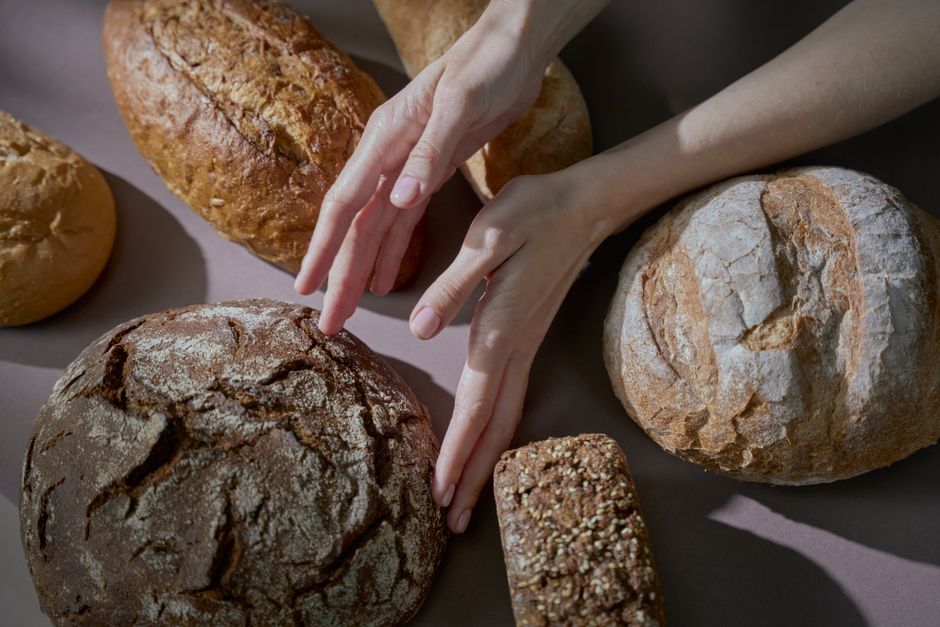
Most people assume bread is off-limits during weight loss. But the real question isn’t whether you can eat bread — it’s whether any bread actually helps your efforts instead of hurting them.
The short answer is yes. Is any bread good for weight loss? The answer depends on the type of bread, how much you eat, and what you pair it with. Breads made from whole grains or sprouted grains offer more fiber and protein than white bread. This can help you feel fuller longer and avoid overeating later in the day. But no single bread will cause weight loss on its own. It comes down to how it fits your overall calorie intake and eating habits.
Most weight loss advice tells you to cut carbs entirely. That approach works for some people, but it’s not sustainable for everyone. Bread is a staple in many diets, and removing it completely can lead to cravings and binge eating. This article looks at what the evidence actually says about bread and weight loss. It covers which types of bread may support your goals and which ones work against them.
Generic search results often say “eat whole wheat bread” without explaining why or how much. We go deeper here. You will learn the specific nutritional differences between bread types. You will also get practical tips for fitting bread into a calorie deficit without feeling deprived.
Key Points at a Glance
| Point | What It Means | Why It Matters |
|---|---|---|
| Fiber content matters most | Breads with 3+ grams of fiber per slice slow digestion and reduce hunger | Helps you eat less overall without feeling hungry |
| Protein helps with satiety | Sprouted grain breads often have 4-5 grams of protein per slice | Keeps blood sugar stable and reduces cravings between meals |
| Calorie density is key | One slice of dense whole grain bread can have 100-120 calories | Two slices can easily add 200+ calories to a meal |
| Portion control is non-negotiable | Eating 1 slice vs 2 slices changes the calorie impact significantly | Even “healthy” bread can stall weight loss if portions are too large |
| Pairing matters | Bread with protein and fat digests slower than bread alone | Prevents blood sugar spikes that trigger hunger later |
What Makes a Bread “Good” for Weight Loss?
The nutritional profile of bread varies widely. White bread is made from refined flour that has been stripped of most fiber and nutrients. Your body digests it quickly, which causes a rapid rise in blood sugar. That spike is followed by a crash, which often triggers hunger and cravings within an hour or two.
Whole grain breads keep the entire grain kernel intact. This means they retain fiber, B vitamins, and minerals. The fiber slows down digestion and keeps you feeling full for longer. Sprouted grain breads go a step further. The sprouting process breaks down some of the starch and makes nutrients more available. I always check the label for the first ingredient to say “whole grain” or “sprouted grain” — not “enriched flour.” That one difference changes everything about how the bread affects your body.
Practical tip: Look for breads with at least 3 grams of fiber and 3 grams of protein per slice. Fewer than 100 calories per slice is a bonus. This combination gives you the best chance of staying full without blowing your calorie budget.
Is Any Bread Good for Weight Loss or Is It All the Same?
No, bread is not all the same. The difference between white bread and a dense whole grain loaf is significant in terms of how your body processes it. White bread acts almost like sugar in your system. Whole grain bread behaves more like a slow-burning fuel. This difference matters when you are trying to maintain a calorie deficit.
That said, even the healthiest bread is still a calorie-dense food. A single slice of Ezekiel bread has about 80 calories. Two slices bring you to 160 calories before you add anything. If you eat three slices in a day, that is 240 calories just from bread. This is where portion control becomes the deciding factor. Is any bread good for weight loss? Yes, but only if you account for those calories in your daily total.
Which Bread Types Perform Best in a Calorie Deficit?
Sprouted grain breads like Ezekiel are often recommended for weight loss. They contain no added sugar and have a complete protein profile because they are made from sprouted legumes and grains. This gives them more protein per slice than most other breads. The fiber content is also higher, which helps with fullness.
Rye bread is another strong option. It has a lower glycemic index than wheat bread, meaning it raises blood sugar more slowly. Sourdough bread made from whole grains also performs well because the fermentation process breaks down some of the gluten and starches. I find that a slice of dense rye bread with avocado and a pinch of salt keeps me satisfied for hours in a way that white toast never does.
Gluten-free breads are not automatically better for weight loss. Many of them rely on rice flour and starches that digest quickly. They often have less fiber and more sugar than whole wheat bread. If you do not have celiac disease or gluten sensitivity, whole grain wheat or rye bread is likely a better choice for your goals.
How Much Bread Can You Eat Without Hurting Progress?
There is no universal number because it depends on your total calorie needs. A woman who needs 1,500 calories per day for weight loss has less room for bread than someone who needs 2,000 calories. A reasonable starting point is one serving of bread per day. One serving is one slice, not two.
If you want to eat two slices, you need to account for 160 to 240 calories from bread alone. That may be fine if you are eating lighter meals elsewhere. The problem arises when bread becomes a habit at every meal without adjusting the rest of your intake. Use a TDEE Calculator to find your maintenance calories, then subtract 300 to 500 calories for weight loss. That number tells you how much room you have for bread and everything else.
Practical tip: If you struggle with portion control, buy smaller loaves or slice your own bread. Pre-sliced bread often has thicker slices than you would cut yourself. A single thick slice can be 1.5 to 2 servings without you realizing it.
Common Mistakes People Make With Bread and Weight Loss
The biggest mistake is assuming “whole wheat” on the label means the bread is healthy. Many commercial whole wheat breads contain added sugar, high fructose corn syrup, and refined flour. The bread may be brown, but that color often comes from molasses or caramel coloring, not whole grains. Always read the ingredient list, not just the front of the package.
Another mistake is eating bread alone as a snack. Bread with nothing on it digests quickly and may leave you hungry shortly after. Pairing bread with protein and fat changes the outcome. A slice of whole grain bread with peanut butter, eggs, or cheese will keep you full much longer than plain toast. I always tell people to treat bread as a vehicle for protein and vegetables, not as the main event.
Frequently Asked Questions
Related Articles
Can you eat bread every day and still lose weight?
Yes, you can eat bread daily and lose weight if you stay within your calorie deficit. The key is choosing high-fiber, high-protein bread and controlling your portion size.
Is sourdough bread good for weight loss?
Sourdough bread has a lower glycemic index than white bread, which helps with blood sugar control. Whole grain sourdough is the better choice because it also provides more fiber.
Does toasting bread reduce calories?
Toasting bread does not change the calorie count. It does reduce the moisture content slightly, which may make you feel fuller because the bread is drier and takes longer to chew.
Is gluten-free bread better for weight loss?
Gluten-free bread is not automatically better for weight loss. Many gluten-free options have more sugar and less fiber than whole wheat bread, making them less filling.
How many slices of bread can I eat on a 1,500 calorie diet?
One to two slices per day is reasonable on a 1,500 calorie diet. You should account for the calories and adjust your other meals to stay within your target.
Is Ezekiel bread actually healthy for weight loss?
Ezekiel bread is one of the better options because it has no added sugar and provides complete protein. It is still calorie-dense, so portion control remains important.

The TDEECAL Team writes about nutrition, metabolism, and fat loss the way we built our calculator, with real numbers and no hype. We dig into the research so you don’t have to guess.