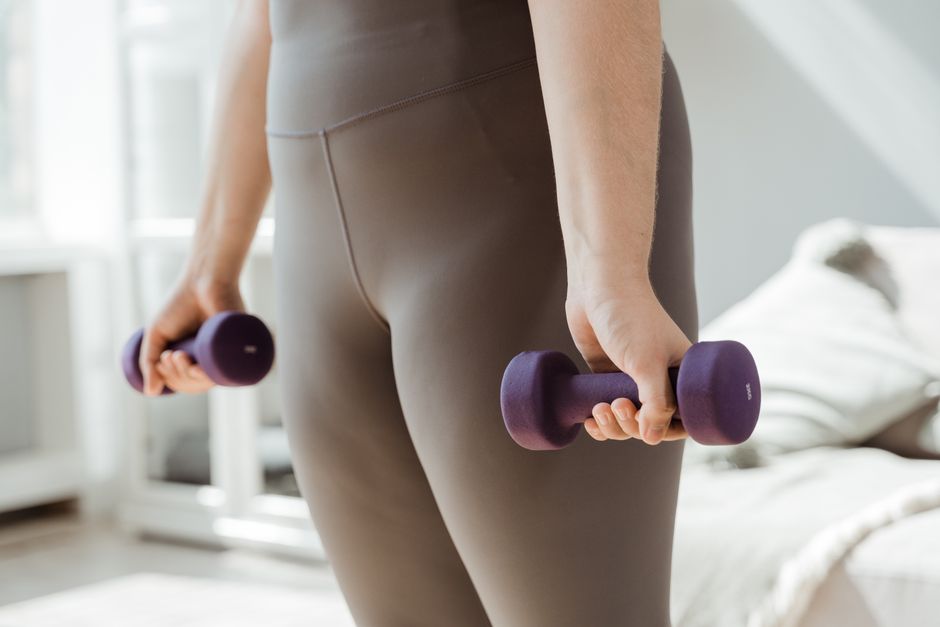
You don’t need a gym full of machines to lose weight. A pair of dumbbells and a smart approach to using them can be just as effective.
To exercise with dumbbells for weight loss, focus on compound movements that work multiple large muscle groups at once. Combine these with short rest periods to keep your heart rate up, creating a calorie burn that continues even after your workout ends. This approach builds lean muscle, which raises your resting metabolism over time.
Many women over 35 worry that strength training will make them bulky. That fear is not backed by evidence. Women simply do not have the testosterone levels to build large muscles from standard dumbbell routines. What dumbbells actually do is reshape your body by tightening areas that tend to soften with age, especially the arms, back, and legs.
This article walks through the specific moves, rep ranges, and weekly schedule that work best for weight loss. It also covers common mistakes that can stall progress and how to fix them.
Key Points at a Glance
| Point | What It Means | Why It Matters |
|---|---|---|
| Compound exercises | Moves like squats, presses, and rows that use multiple joints | Burn more calories per minute than isolation moves like bicep curls |
| Moderate weight, higher reps | Choose a weight you can lift for 10–15 reps with good form | Builds muscle endurance and keeps your heart rate elevated |
| Short rest periods | Rest 30–60 seconds between sets | Maintains calorie burn throughout the workout |
| Progressive overload | Gradually increase weight or reps every 2–3 weeks | Prevents plateaus and continues building metabolism-raising muscle |
| Consistency over intensity | 3–4 sessions per week beats one killer workout followed by a week off | Weight loss requires sustained effort, not occasional burnout |
What Makes Dumbbell Training Effective for Weight Loss?
Dumbbells force each side of your body to work independently. This activates more stabilizer muscles than barbells or machines do. More muscle activation means more calories burned per rep.
The afterburn effect, known scientifically as excess post-exercise oxygen consumption, is also stronger after resistance training than steady-state cardio. Your body continues burning extra calories for hours after you put the weights down. I have noticed this myself — on days I do a solid dumbbell workout, I feel warmer and hungrier for the rest of the afternoon, which is a sign my metabolism is still working.
Which Dumbbell Exercises Should You Do for Weight Loss?
Stick to movements that involve your legs, back, chest, and core. These large muscle groups demand more energy than smaller ones like biceps or triceps. A full-body routine twice per week is enough to see changes in body composition.
Good starting options include goblet squats, dumbbell deadlifts, overhead presses, bent-over rows, and push-ups with dumbbells for added resistance. Each of these uses multiple joints and keeps your heart rate up naturally. Add one or two isolation moves at the end if you have energy left, but do not make them the focus.
Practical tip: Pick three lower-body moves and three upper-body moves per session. Alternate them to keep rest short. For example, do a set of goblet squats, then immediately do a set of overhead presses, then rest. This pairing method cuts rest time in half.
How Many Reps and Sets Should You Use?
For weight loss, aim for 3 to 4 sets of 10 to 15 reps per exercise. This rep range builds muscle endurance and keeps your heart working. If you can easily do 15 reps with perfect form, the weight is too light. If you cannot reach 8 reps without breaking form, the weight is too heavy.
The last two reps of each set should feel hard but still possible. That is the sweet spot for stimulating muscle growth without risking injury. Increase the weight by 2 to 5 pounds once you can complete all sets and reps cleanly for two sessions in a row.
How Often Should You Train with Dumbbells?
Two to three full-body sessions per week is enough for noticeable results. This schedule allows 48 hours of recovery between sessions, which is when muscle repair and metabolism-boosting adaptations actually happen. Training more often without adequate recovery can backfire by raising cortisol levels, which encourages fat storage around the midsection.
On your off days, light walking or stretching is fine. Your body needs rest to change. Pushing hard every day is not a shortcut — it is a recipe for burnout and injury.
How to Exercise with Dumbbells Without Getting Injured
Form matters more than the amount of weight you lift. Bad form trains your body to use the wrong muscles, which reduces calorie burn and increases injury risk. Start with a weight that feels easy for the first 8 reps, then challenging for the last 2 to 3.
Keep your core braced throughout every movement. Imagine someone is about to poke you in the stomach. That tension protects your lower back and transfers force efficiently. If you feel sharp pain in a joint, stop that exercise and try a different variation.
Frequently Asked Questions
Related Articles
How heavy should my dumbbells be for weight loss?
Choose a weight that makes the last two reps of each set feel very difficult but still possible with good form. For most women, this means starting with 8 to 12 pounds for upper body and 12 to 20 pounds for lower body.
Can I lose belly fat by doing dumbbell exercises?
You cannot spot-reduce fat from any specific area, including the belly. Dumbbell training builds muscle everywhere, which raises your overall metabolism and helps you lose fat from all over your body over time.
How long does it take to see results from dumbbell training?
Most women notice changes in how their clothes fit within 4 to 6 weeks of consistent training. Visible changes in muscle definition and fat loss typically take 8 to 12 weeks with proper nutrition and sleep.
Should I do cardio or dumbbells first for weight loss?
Do dumbbells first while your energy stores are full. This ensures you lift with proper form and intensity. Save cardio for after or on separate days to avoid fatiguing your muscles before strength work.
How many days per week should I exercise with dumbbells?
Two to three days per week is enough for weight loss and body composition changes. More than that without proper recovery can raise stress hormones and slow your progress.
Can I use dumbbells if I have joint pain?
Yes, but choose lighter weights and higher reps, and avoid movements that cause sharp pain. Modified versions like seated presses or floor presses can reduce strain on shoulders and wrists. Consult a physical therapist if pain persists.
For a more personalized calorie and macronutrient plan to support your dumbbell training, use our TDEE Calculator to find your exact maintenance calories and adjust from there.

The TDEECAL Team writes about nutrition, metabolism, and fat loss the way we built our calculator, with real numbers and no hype. We dig into the research so you don’t have to guess.