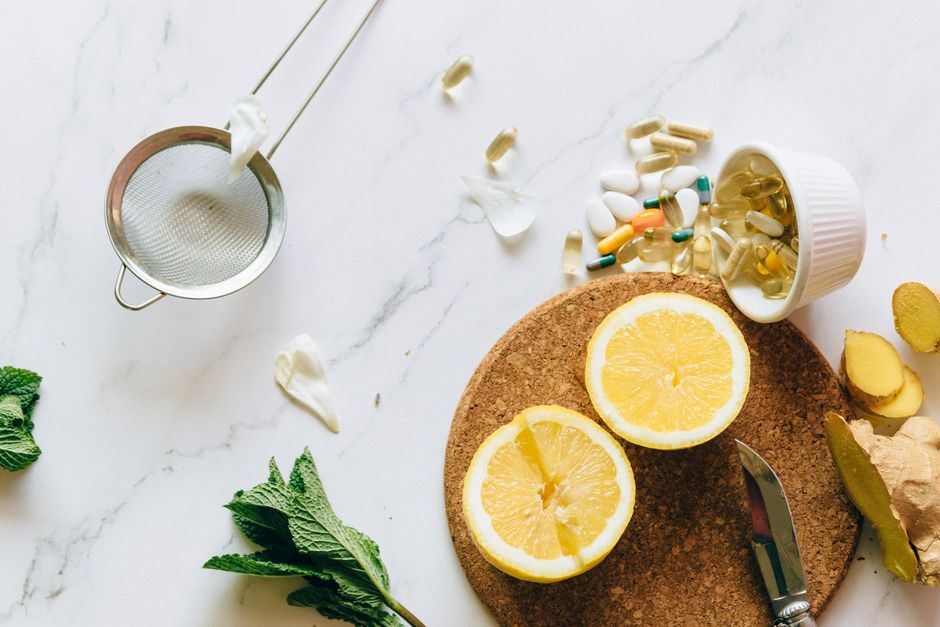
You open your cabinet and see bottles with promises you are not sure they can keep. The weight loss supplement industry is massive, but most products do not deliver what they advertise. The honest answer is that for most people, it is not good to take supplements for weight loss as a primary strategy, because the evidence shows they produce minimal results without diet and exercise changes, and some carry real risks. Many women in their 40s and 50s turn to these products hoping for a metabolic boost or appetite control, yet the research consistently points back to the same fundamentals. This article cuts through the marketing to give you the specific evidence on what works, what does not, and how to tell the difference.
Key Points at a Glance
| Point | What It Means | Why It Matters |
|---|---|---|
| Supplements rarely cause significant weight loss | Most studies show 1–3 pounds of extra loss over several months | That amount is easily achieved by small diet adjustments |
| Some ingredients have modest evidence | Fiber, caffeine, and green tea extract show small effects | These are safe in normal amounts but not magic |
| Risks are real and often underreported | Liver damage, heart issues, and drug interactions happen | Supplements are not regulated like prescription drugs |
| Money is better spent elsewhere | Whole foods and a structured eating plan give better results | Your budget has a bigger impact on a quality diet than on pills |
What Does the Research Actually Say About Weight Loss Supplements?
The evidence is sobering for anyone hoping for a shortcut. A 2021 review in the Journal of the American Medical Association looked at dozens of supplement studies and found that most products produced weight loss of less than two pounds compared to placebo. That is a statistically significant number, but it is not clinically meaningful for most people.
I have reviewed the data on individual ingredients for years, and the pattern is consistent. Caffeine and green tea extract can increase energy expenditure by about 4–5 percent for a few hours. Soluble fiber like glucomannan helps some people feel fuller between meals. But none of these effects add up to the kind of change most women want without also changing what and how much they eat.
Is It Good to Take Supplements for Weight Loss as a Woman Over 40?
For women in this age group, the question gets more complicated because metabolism naturally slows and hormone changes affect body composition. Some supplements target these specific issues, but the evidence for most is weak or nonexistent. Berberine, for example, is often promoted as a natural alternative to metformin, and it does show some blood sugar benefits, but weight loss results in studies are modest at best.
The one supplement with consistent support for women over 40 is protein powder, not as a weight loss agent but as a tool for preserving muscle. When you lose weight, about 25 percent of the loss can come from muscle, which further slows your metabolism. Adding a protein shake to your day helps maintain muscle while you cut calories. I always recommend a plain whey or plant-based powder without added sugars or fillers.
Practical tip: If you decide to try a protein supplement, choose one with at least 20 grams of protein and fewer than 5 grams of sugar per serving. Mix it with water or unsweetened milk, not juice.
Which Ingredients Have Actual Evidence Behind Them?
A small handful of ingredients show real but limited effects in controlled studies. Caffeine, including from coffee and green tea, can increase calorie burn by about 80–100 calories per day in regular users. That is roughly the equivalent of a ten-minute walk, which is helpful but not transformative.
Glucomannan, a type of soluble fiber, expands in your stomach and can reduce appetite. Studies show it leads to about 3–5 pounds of additional weight loss over eight weeks when taken before meals. The catch is that it must be taken with plenty of water, and it can cause digestive discomfort if you increase the dose too quickly. I have found that starting with half the recommended dose for the first week helps minimize bloating.
What Supplements Should You Avoid Entirely?
Several categories of weight loss supplements have been linked to serious health problems and should be avoided. Any product containing ephedra, sibutramine, or phenolphthalein is illegal in the United States but still appears in some unregulated online products. These ingredients can raise blood pressure dangerously, cause heart palpitations, and damage the liver.
Detox teas and cleanse products are another category to skip. They typically contain laxatives and diuretics that cause water loss, not fat loss. The weight comes back as soon as you rehydrate and eat normally. I have had clients who lost five pounds in a week on these products, only to regain it all within three days of stopping. That is not real weight loss, and it can dehydrate you and disrupt your electrolyte balance.
How to Evaluate a Weight Loss Supplement Claim
Learning to read past the marketing is a skill worth developing. If a product promises rapid weight loss without diet or exercise changes, it is almost certainly exaggerating or lying. Legitimate supplements will mention modest results and recommend using them alongside a calorie-controlled diet.
Look for third-party testing seals from organizations like USP or NSF International. These indicate the product contains what the label says and does not have hidden contaminants. Even then, remember that a seal of purity is not a seal of effectiveness. The best approach is to run any supplement you are considering past your doctor, especially if you take prescription medications. Use a TDEE calculator to find your maintenance calories first, then build a small deficit from whole foods before adding any supplement.
Related Articles
Frequently Asked Questions
Can supplements help me lose weight without exercise?
No supplement replaces the calorie burn from regular movement. Most studies show supplements add only one to three pounds of loss on their own.
Are weight loss supplements safe for women over 50?
Safety depends on the ingredients and your existing health conditions. Always check with your doctor because many supplements interact with blood pressure and thyroid medications.
How long should I try a supplement before deciding it works?
Give any supplement at least eight weeks of consistent use before judging its effects. Weight loss from supplements is slow and gradual if it happens at all.
Do fat burners actually work?
Most fat burners contain caffeine and green tea extract, which increase calorie burn by a small amount. The effect is usually less than 100 extra calories per day.
Is it good to take protein powder for weight loss?
Protein powder is one of the few supplements with solid evidence for weight loss support. It helps preserve muscle and keeps you full between meals when used as a meal replacement.
What is the best supplement for belly fat specifically?
No supplement targets belly fat specifically. Spot reduction is not possible, and overall calorie deficit is the only way to lose fat from any area of your body.

The TDEECAL Team writes about nutrition, metabolism, and fat loss the way we built our calculator, with real numbers and no hype. We dig into the research so you don’t have to guess.