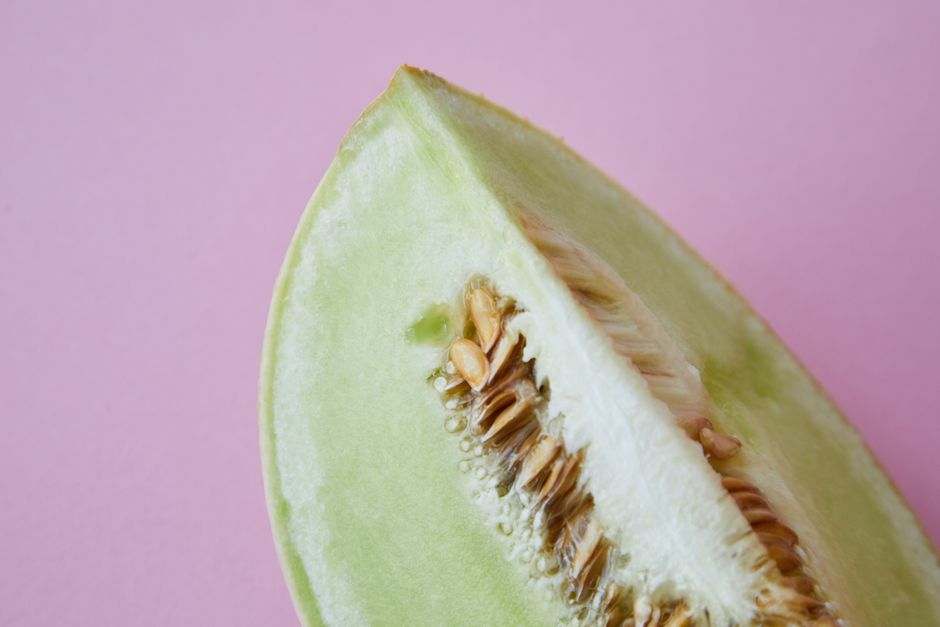
Most people assume fruit is automatically good for weight loss, but cantaloupe’s high sugar content often makes dieters hesitate. The direct answer is that yes, cantaloupe is healthy for weight loss when eaten in reasonable portions, because it is low in calories and high in water and fiber, which help you feel full. A one-cup serving of cantaloupe has only about 54 calories and provides over 100% of your daily vitamin A needs. This article will explain exactly how cantaloupe fits into a weight loss plan, what portion sizes work best, and where the common “too much sugar” concern actually stands.
Many women in their 40s and 50s tell me they avoid cantaloupe because they heard it is “loaded with sugar.” The truth is more nuanced. Cantaloupe does contain natural sugars, but its high water content (about 90%) and fiber help slow down sugar absorption. When you compare it to a cookie or a piece of white bread, the overall metabolic effect is very different. Understanding this distinction is key to making smart choices that support your goals rather than working against them.
Key Points at a Glance
| Point | What It Means | Why It Matters |
|---|---|---|
| Low calorie density | 54 calories per cup | You can eat a satisfying volume without exceeding your daily limit |
| High water content | 90% water by weight | Helps with hydration and fullness between meals |
| Natural sugars present | 12 grams per cup | Moderation is needed, but not as problematic as processed sugar |
| Rich in vitamin A and C | Over 100% DV for vitamin A | Supports immune function and skin health during weight loss |
| Fiber content | 1.5 grams per cup | Contributes to satiety and digestive regularity |
How Many Calories Are in Cantaloupe and Why That Matters
A single cup of diced cantaloupe contains roughly 54 calories. That is significantly less than most snacks people reach for when they feel hungry between meals. For comparison, a small handful of almonds has about 160 calories, and a single granola bar often exceeds 200 calories. Cantaloupe lets you eat a full cup of something sweet and refreshing for a fraction of the calorie cost.
I have found that keeping pre-cut cantaloupe in the fridge makes a real difference on busy afternoons. When I am tempted to grab something from the vending machine, having that cold, ready-to-eat fruit available stops me from making a worse choice. The volume you get for the calories is what makes this fruit so useful for weight management.
Is Cantaloupe Healthy for Weight Loss Compared to Other Fruits
When you compare cantaloupe to other common fruits, it holds up very well for weight loss. One cup of grapes has about 100 calories, and a medium banana has around 105 calories. Cantaloupe gives you more food for fewer calories than either of those options. Its water content also makes it more filling per calorie than dried fruits or high-sugar tropical options like mangoes.
That said, berries and citrus fruits have even lower sugar content per serving. If you are very strict about carbohydrate intake, you might prioritize strawberries or grapefruit. But cantaloupe offers a different nutrient profile with high vitamin A, which supports eye health and immune function — something berries do not provide in the same amount. Variety across fruits is more important than fixating on one perfect option.
Practical tip: Pair a cup of cantaloupe with a small handful of almonds or a tablespoon of peanut butter. The protein and fat help stabilize blood sugar and keep you full for longer than eating the fruit alone.
Does the Sugar in Cantaloupe Hurt Weight Loss Efforts
The sugar in cantaloupe is naturally occurring fructose, not added sugar. Your body processes it differently than the high-fructose corn syrup found in soda or candy. The fiber and water in the whole fruit slow down digestion, which prevents the rapid blood sugar spikes that trigger hunger and cravings later. This is why whole fruit is consistently linked to better weight outcomes in research, while fruit juice is not.
One concern worth noting: if you eat an entire cantaloupe in one sitting, you will consume around 200 calories and 45 grams of sugar. That is too much for most weight loss plans. Sticking to one cup — roughly the size of your fist — keeps the sugar load manageable. I always tell my readers to measure once with a measuring cup so they know what a proper portion looks like by eye afterward.
Common Mistakes People Make With Cantaloupe
The biggest mistake I see is eating cantaloupe as a standalone meal replacement. A cup of cantaloupe has almost no protein and very little fat, so it will not keep you satisfied for more than an hour or two. Using it as a snack between meals works well, but relying on it for breakfast or lunch often leads to overeating later in the day because you never feel truly full.
Another frequent error is buying pre-cut cantaloupe that has been sitting for days. The flavor and texture degrade quickly, and bland cantaloupe is far less satisfying. I buy whole cantaloupes and cut them myself, which also saves money. A ripe cantaloupe should have a sweet smell at the stem end and feel heavy for its size. If it sounds hollow when you tap it, that is a good sign.
How to Add Cantaloupe to Your Weight Loss Plan
Start by replacing one high-calorie snack with a cup of cantaloupe. If you usually eat a 200-calorie granola bar in the afternoon, swapping it for cantaloupe saves about 150 calories without leaving you hungry. Do this consistently for a week and see how it affects your overall calorie intake. Small substitutions like this add up over time without feeling restrictive.
You can also add cantaloupe to salads for extra volume and sweetness without needing a high-calorie dressing. Cubed cantaloupe, cucumber, fresh mint, and a squeeze of lime make a refreshing side dish that pairs well with grilled chicken or fish. The natural sweetness reduces the urge to add sugar-laden dressings or sauces to your meals.
Related Articles
Frequently Asked Questions
Can I eat cantaloupe every day while trying to lose weight?
Yes, one cup per day is a reasonable amount for most weight loss plans. Eating more than two cups regularly may slow progress due to the natural sugar content.
Is cantaloupe keto-friendly?
Cantaloupe is not keto-friendly because one cup contains about 12 grams of net carbs. Most keto diets limit carbs to 20-30 grams total per day, leaving little room for this fruit.
Does cantaloupe make you bloated?
Some people experience bloating after eating cantaloupe due to its fructose content, especially if eaten alone on an empty stomach. Pairing it with protein usually resolves this issue.
When is the best time to eat cantaloupe for weight loss?
Eating cantaloupe as a mid-morning or afternoon snack works well because it provides hydration and energy without spiking blood sugar. Avoid eating it right before bed, as the natural sugars may interfere with sleep quality for some people.
How much cantaloupe is too much for weight loss?
More than two cups in a single day is likely too much for most people actively losing weight. Stick to one cup per serving and limit yourself to one serving per day.
Does cantaloupe have more sugar than watermelon?
No, cantaloupe has slightly less sugar than watermelon. One cup of watermelon contains about 10 grams of sugar, while cantaloupe has about 12 grams, but watermelon has fewer total nutrients per serving.
To get a personalized calorie target that helps you lose weight at a safe and sustainable rate, use the TDEE Calculator. Enter your age, height, weight, and activity level to see exactly how many calories your body needs each day. This takes the guesswork out of portion sizes and helps you fit foods like cantaloupe into your plan with confidence.

The TDEECAL Team writes about nutrition, metabolism, and fat loss the way we built our calculator, with real numbers and no hype. We dig into the research so you don’t have to guess.