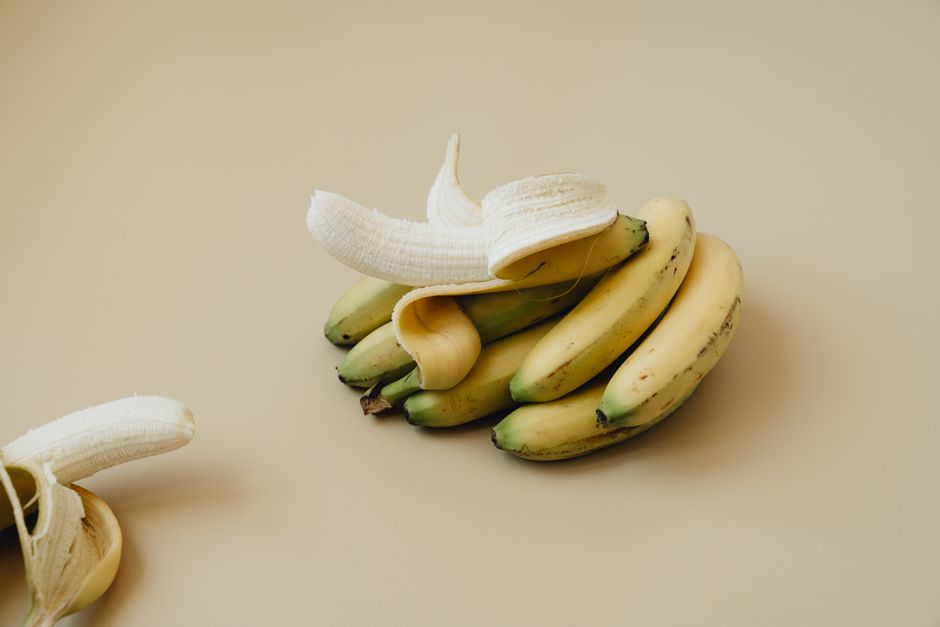
Bananas are one of the most popular fruits in America, yet many women trying to lose weight avoid them because they worry about the sugar and carbs. The direct answer is that bananas can support weight loss when eaten in reasonable portions as part of a balanced diet, and they are unlikely to cause weight gain on their own. A medium banana has about 105 calories, 27 grams of carbs, and 3 grams of fiber. The fiber and resistant starch in bananas help you feel full longer, which can reduce overall calorie intake throughout the day.
Most generic advice about bananas and weight loss is overly simplistic. Some sources say bananas are “too high in sugar” for weight loss, while others claim they are a “miracle food” for dieting. Neither extreme is accurate. This article explains what the evidence actually says about bananas and body weight, how portion size matters, and how to eat them in a way that supports your goals without guilt or confusion.
Key Points at a Glance
| Point | What It Means | Why It Matters |
|---|---|---|
| Calories | A medium banana has about 105 calories | Easy to fit into most weight loss meal plans |
| Fiber | 3 grams of fiber per medium banana | Helps with fullness and slows digestion |
| Resistant starch | Higher in greener bananas, decreases as they ripen | May reduce calorie absorption and improve gut health |
| Portion size | One medium banana is a standard serving | Eating multiple large bananas adds up quickly |
| Blood sugar | Glycemic index is moderate (51-55) | Pairing with protein or fat helps stabilize blood sugar |
Is Banana Good for Weight Loss or Weight Gain? The Evidence
The question “is banana good for weight loss or weight gain” depends almost entirely on how you eat them within your overall diet. Research shows that people who eat more fruit tend to have lower body weights, and bananas are no exception. A 2015 study in the journal Nutrients found that banana consumption was associated with lower body mass index in women. The fiber content is the main reason — it slows stomach emptying and keeps you satisfied between meals.
I always eat a banana about 30 minutes before a workout. The natural sugars give me steady energy without the crash I get from processed snacks. That pre-workout banana has kept me from grabbing a granola bar or sports drink, which often have more calories and less fiber.
How Ripeness Changes the Effect on Weight
The ripeness of a banana changes its carbohydrate composition significantly. Green bananas are high in resistant starch, which acts like fiber and may reduce the number of calories your body absorbs. As bananas ripen, the resistant starch converts to simple sugars. A very ripe banana has more sugar and less resistant starch than a green one.
This does not mean you should only eat green bananas. Both types have benefits. Green bananas may be slightly better for blood sugar control, while ripe bananas are easier to digest and higher in antioxidants. If you have diabetes or prediabetes, choosing greener bananas and pairing them with a protein source like Greek yogurt or nuts can help keep blood sugar stable.
How Many Bananas Can You Eat Per Day for Weight Loss?
Most women can eat one medium banana per day without interfering with weight loss. Two bananas is still reasonable for most people, especially if you are active and the bananas replace higher-calorie snacks. The key is fitting the calories into your daily energy needs.
Use a TDEE Calculator to find your maintenance calories, then subtract 300-500 calories for weight loss. A medium banana takes up about 105 of those calories. If you eat three or four bananas in a day, the calories add up quickly — about 315 to 420 calories just from bananas. That is fine if it fits your plan, but it is easy to overlook.
Common Mistakes People Make With Bananas and Weight
The biggest mistake is eating bananas alongside other high-calorie foods without adjusting the rest of the meal. A banana with granola, honey, and full-fat yogurt can easily become a 400-calorie breakfast. Another common error is drinking banana smoothies that contain multiple bananas plus juice, milk, and sweeteners — that can be 500 calories or more in one drink.
A third mistake is avoiding bananas entirely because of carb fear. Cutting out whole fruits rarely helps long-term weight loss. The fiber and nutrients in bananas support overall health, and the satisfaction they provide can prevent cravings for less healthy sweets. If you are eating a banana instead of a cookie or a pastry, you are almost certainly making a better choice for weight management.
Frequently Asked Questions
Related Articles
Is banana good for weight loss at night?
Yes, a banana can be a good evening snack if it fits your calorie goal. The magnesium and tryptophan in bananas may even support better sleep.
Can bananas cause belly fat?
No single food causes belly fat on its own. Excess calories from any source, including bananas, can contribute to overall fat gain over time.
Are green bananas better for weight loss than ripe ones?
Green bananas have more resistant starch, which may reduce calorie absorption slightly. The difference is small enough that ripeness preference matters more for most people.
How many calories are in a banana for weight loss?
A medium banana has about 105 calories. A small banana has around 90 calories, and a large banana has about 120 calories.
Is banana good for weight loss with peanut butter?
Yes, this combination provides protein, healthy fat, and fiber for lasting fullness. Keep the peanut butter to one tablespoon to control calories.
Can I eat a banana every day while dieting?
Yes, one banana per day is perfectly fine for most women trying to lose weight. Just account for the 105 calories in your daily total.
Bananas are a nutrient-dense fruit that can absolutely be part of a weight loss diet. The evidence does not support avoiding them, and the fiber content actively supports fullness and appetite control. Pay attention to portion size, consider ripeness if blood sugar is a concern, and always fit the calories into your overall daily intake. There is no need to fear bananas — they are simply a food that can help or hinder depending on how you use them.
If you want to know exactly how many calories you need per day for weight loss, check your numbers with a TDEE Calculator. It takes your age, height, weight, and activity level into account so you can plan your meals with confidence.

The TDEECAL Team writes about nutrition, metabolism, and fat loss the way we built our calculator, with real numbers and no hype. We dig into the research so you don’t have to guess.