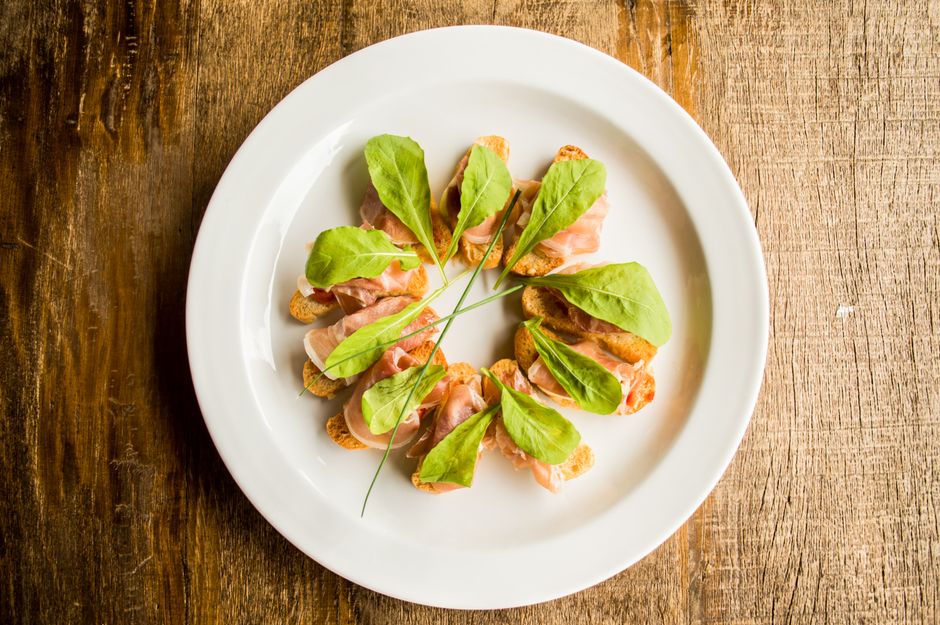
If you are watching your weight, you have probably wondered whether prosciutto can fit into your plan. The short answer is that prosciutto can be part of a weight loss diet, but only if you are careful with portions and pay attention to the rest of your daily food choices. When asking is prosciutto healthy for weight loss, the real answer depends on how much you eat and what you eat it with.
Many people assume all deli meats are bad for weight loss. But prosciutto is different from processed bologna or salami in some ways. It has a simple ingredient list — usually just pork and salt. It also contains protein, which helps with fullness. Still, it is high in sodium and fat, so it is not a free food.
This article covers the specific nutrition facts for prosciutto. You will learn how it compares to other protein sources. You will also get practical tips for adding it to your meals without sabotaging your goals.
Key Points at a Glance
| Point | What It Means | Why It Matters |
|---|---|---|
| Calories per ounce | About 70 calories per 1-ounce serving | Easy to overeat if you do not measure |
| Protein content | Roughly 8 grams per ounce | Helps keep you full between meals |
| Sodium level | Around 800 mg per ounce | Can cause water retention and bloating |
| Fat content | About 5 grams per ounce, mostly saturated | Contributes to daily calorie total quickly |
| Processing level | Cured but not heavily processed with additives | Fewer preservatives than many lunch meats |
What Is the Nutritional Profile of Prosciutto?
Prosciutto is dry-cured ham. The curing process concentrates the flavor, which means a little goes a long way. A standard serving size is about 1 ounce, or roughly three thin slices.
In that 1-ounce serving, you get around 70 calories, 8 grams of protein, and 5 grams of fat. About 1.7 grams of that fat is saturated. The sodium content is high — approximately 800 milligrams per ounce.
Practical tip: I always weigh my prosciutto rather than counting slices. Slice thickness varies wildly between brands. A scale gives you honest numbers.
Is Prosciutto Healthy for Weight Loss Compared to Other Meats?
When you compare prosciutto to other common protein sources, the picture becomes clearer. A 1-ounce serving of grilled chicken breast has about 45 calories and 9 grams of protein with almost no fat. Prosciutto has more calories and fat per gram of protein.
But prosciutto wins on convenience and flavor intensity. You do not need to cook it. And because it is so salty and savory, a small amount can satisfy cravings that might otherwise lead you to reach for something worse, like chips or processed cheese.
Compared to other cured meats like salami or pepperoni, prosciutto is generally leaner. Salami can have 120 calories per ounce with 11 grams of fat. Prosciutto is a better choice among cured meats, but it is still a treat, not a staple.
How Much Prosciutto Can You Eat on a Weight Loss Diet?
Portion control is the key question here. One to two ounces per serving is reasonable. That gives you 70 to 140 calories, which fits into most weight loss plans without much trouble.
The bigger concern is what you pair it with. Prosciutto wrapped around melon or figs adds natural sweetness and volume without many calories. Wrapping it around breadsticks or cheese, on the other hand, turns a light snack into a calorie bomb.
I find that using prosciutto as a flavor accent works better than making it the star of the meal. A few thin strips on a salad or mixed into scrambled eggs gives you the taste without the calorie load.
Does the Sodium in Prosciutto Affect Weight Loss?
Sodium does not directly cause fat gain. But it does cause water retention. If you step on the scale after eating prosciutto, you might see a higher number that has nothing to do with actual body fat.
This can be frustrating. You might feel like your diet is not working when it actually is. The scale bump from sodium is temporary. It usually goes away within a day or two if you drink enough water and eat lower-sodium foods for the rest of the day.
If you are prone to bloating, limit prosciutto to one serving per day. And drink extra water on days you eat it. This helps your kidneys flush out the excess sodium.
Common Mistakes People Make With Prosciutto
The biggest mistake is eating it straight from the package without measuring. Those slices look thin and harmless. But three or four ounces can add up to 280 calories before you realize it.
Another mistake is treating it as a health food just because it is low-carb. Prosciutto is not a health food. It is a whole food with some benefits, but it is still high in fat and sodium. Low-carb does not automatically mean weight-loss friendly.
Finally, do not skip the rest of your meal. Prosciutto alone will not keep you full for long. Pair it with vegetables, fruit, or a small portion of whole grains to create a balanced plate.
Related Articles
Frequently Asked Questions
Is prosciutto healthy for weight loss compared to turkey?
Turkey is leaner with fewer calories per ounce. But prosciutto has a stronger flavor, so you may eat less of it.
Can you eat prosciutto every day while dieting?
You can eat it daily if you keep portions to one ounce and account for the sodium. Most people do better using it a few times per week.
Does prosciutto cause belly fat?
No single food causes belly fat. Excess calories from any source, including prosciutto, contribute to overall weight gain over time.
Is prosciutto a processed meat?
Yes, prosciutto is processed through curing and drying. But it contains fewer additives than many other deli meats.
How should I eat prosciutto to support weight loss?
Use it as a flavor accent in salads, eggs, or vegetable dishes. Measure your portion and avoid high-calorie pairings like cheese or bread.
What is a healthy serving size of prosciutto?
One ounce, or about three thin slices, is a reasonable serving. Weighing it gives you the most accurate portion control.
For a more personalized look at how prosciutto fits into your daily calorie budget, use our TDEE Calculator to find your maintenance calories and adjust your intake from there.

The TDEECAL Team writes about nutrition, metabolism, and fat loss the way we built our calculator, with real numbers and no hype. We dig into the research so you don’t have to guess.