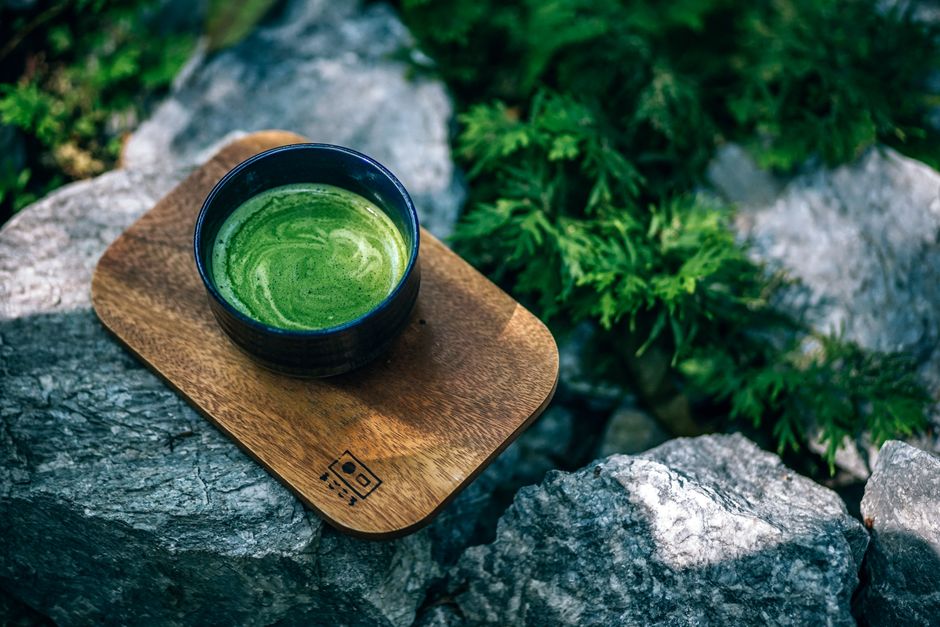
You’ve probably seen green tea listed as a weight loss aid, but with dozens of varieties on the shelf, it’s hard to know which one actually helps. What are the best green teas for weight loss? The most evidence-backed options are matcha, sencha, and plain brewed green tea without added sugars or flavors. These varieties contain catechins like EGCG and a moderate amount of caffeine, which together may slightly boost metabolism and fat oxidation. No green tea is a magic solution, but choosing the right type and drinking it consistently can support your overall calorie deficit.
Many women hit a point where the scale stops moving, and they look for small, sustainable tweaks. Swapping a sugary latte for a cup of green tea is one of those tweaks that adds up over time. This article cuts through the marketing hype and tells you exactly which green teas have the most research behind them, how to brew them for maximum benefit, and what you should realistically expect.
Key Points at a Glance
| Point | What It Means | Why It Matters |
|---|---|---|
| Matcha has the most EGCG | You consume the whole ground leaf, not just steeped water. | Higher antioxidant content may slightly increase calorie burn. |
| Plain brewed tea is best | Bottled teas and mixes often contain added sugar. | Extra sugar cancels out any metabolic benefit. |
| Timing matters for caffeine | Drink it earlier in the day to avoid sleep disruption. | Poor sleep directly harms weight loss efforts. |
| Results are modest | Studies show a small increase in calorie burn, not dramatic loss. | Managing expectations helps you stick with it long-term. |
How Does Green Tea Support Weight Loss?
The main compounds in green tea that get attention are catechins, especially epigallocatechin gallate (EGCG), and caffeine. Together, they appear to slightly increase thermogenesis — the process your body uses to burn calories for heat. The effect is small, typically around an extra 50 to 100 calories burned per day in some studies.
This is often claimed as a significant boost, though strong clinical evidence showing large weight loss from green tea alone is still limited. It works best as a replacement for higher-calorie drinks. I keep a thermos of unsweetened green tea on my desk every afternoon. It stops me from grabbing a second coffee with cream and sugar.
Practical tip: Brew your tea fresh. Bottled green teas lose most of their catechins during storage and often have added sweeteners.
What Are the Best Green Tea Varieties for Weight Loss?
What are the best green tea varieties for weight loss? Matcha is the strongest choice because it contains the entire ground tea leaf, giving you roughly ten times the catechins of a standard steeped green tea. Sencha and gyokuro, both Japanese steamed green teas, also retain high catechin levels. Chinese green teas like Longjing (Dragon Well) are good options too, though their catechin content varies by harvest.
Avoid “diet” green teas that come in tea bags with added herbs, flavors, or sweeteners. They often have fewer active compounds and unnecessary calories. Stick to single-ingredient loose leaf or tea bags. One note: if you are sensitive to caffeine, even decaf green tea contains some catechins, though at lower levels.
How to Brew Green Tea for Maximum Benefit
Brewing method affects how many catechins end up in your cup. Use water that is around 175°F (80°C) — just below boiling. Steep for 2 to 3 minutes. Overheating or steeping too long destroys some catechins and makes the tea bitter.
Add a squeeze of lemon. Vitamin C helps stabilize catechins in the digestive tract, potentially improving absorption. Do not add milk. Dairy proteins can bind to catechins and reduce their availability. I learned this the hard way after drinking green tea lattes for months and wondering why I felt no different.
Common Mistakes People Make with Green Tea for Weight Loss
The biggest mistake is expecting green tea to do the heavy lifting. It will not make up for a diet high in processed foods or a sedentary lifestyle. Another common error is drinking sweetened green tea. A typical bottled green tea can have 20 to 30 grams of sugar, which completely offsets any minor metabolic boost.
Some people also drink green tea right before bed, thinking it is harmless because it is “just tea.” But even moderate caffeine can disrupt sleep quality, which directly impacts hunger hormones and metabolism. Drink your last cup by early afternoon.
Frequently Asked Questions
Related Articles
How many cups of green tea should I drink per day for weight loss?
Most studies use 2 to 4 cups per day to see any measurable effect. Drinking more than that does not provide additional benefit and may cause caffeine side effects.
Is matcha better than regular green tea for weight loss?
Matcha contains higher concentrations of catechins because you consume the whole leaf. It may offer a slightly greater metabolic boost than steeped green tea.
Does green tea burn belly fat specifically?
No. Spot reduction is a myth. Green tea may help with overall fat loss, but it will not target belly fat on its own.
Can I drink green tea on an empty stomach?
Yes, but some people experience nausea due to the tannins. If your stomach is sensitive, drink it with a small snack.
How long does it take for green tea to work for weight loss?
If you replace sugary drinks with unsweetened green tea, you may notice changes within a few weeks. The metabolic effect alone is too small to see rapid results.
Does adding lemon to green tea help with weight loss?
Lemon does not directly burn fat, but it may help your body absorb more catechins. It also adds flavor without calories.
Green tea is a helpful addition to a weight loss plan, not a standalone solution. The best approach is to choose a high-catechin variety like matcha or sencha, brew it properly, and drink it unsweetened. Pair it with a balanced diet and consistent activity for the best results. Use our TDEE Calculator to find your calorie needs and build a plan that works for you.

The TDEECAL Team writes about nutrition, metabolism, and fat loss the way we built our calculator, with real numbers and no hype. We dig into the research so you don’t have to guess.