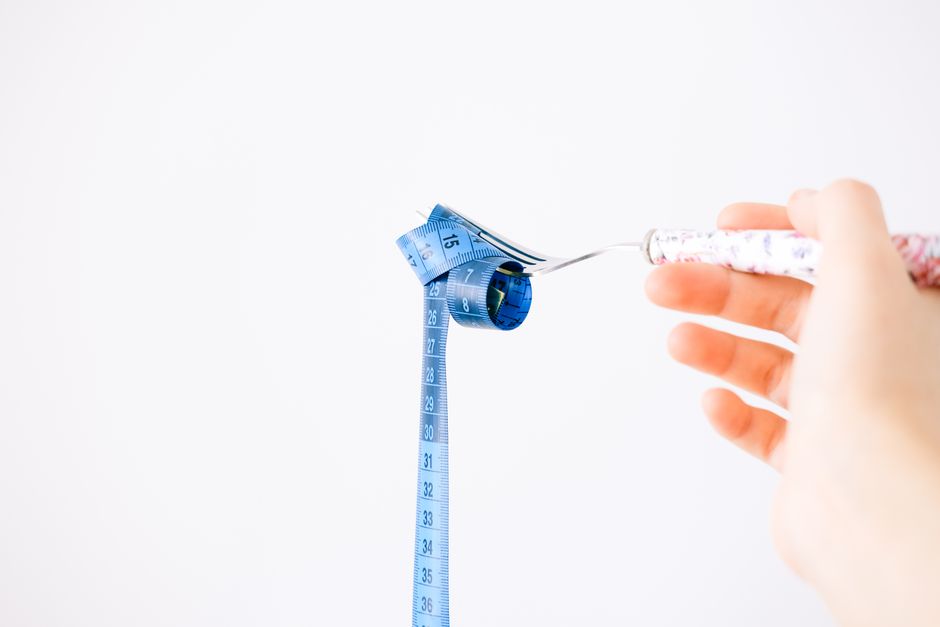
You step on the scale every morning, but the number barely budges. Maybe you have been measuring your waist, but the tape measure slips lower each time. This confusion is common — and it is costing you an accurate picture of your progress.
The short answer is that for weight loss tracking, you measure at your waist (narrowest point above the belly button), hips (widest point), and thighs (mid-point between hip and knee). These three spots give the most useful data for weight loss progress. Measuring consistently at these locations helps you see changes the scale might miss.
Most people only check the scale. But body measurements tell a different story. You might lose inches while the scale stays the same. That is real progress. This article covers exactly where to place the tape for each measurement, why it matters, and what common mistakes to avoid.
Key Points at a Glance
| Point | What It Means | Why It Matters |
|---|---|---|
| Waist measurement | Measure at the narrowest point, usually above the belly button | Shows changes in abdominal fat, a key health marker |
| Hip measurement | Measure at the widest part of the hips and buttocks | Tracks fat loss in the lower body |
| Thigh measurement | Measure at the midpoint between hip and knee | Reveals muscle gain or fat loss in the legs |
| Consistency is everything | Measure at the same time, same spot, same tape tension | Inconsistent measuring gives unreliable data |
Where Do You Measure for Weight Loss on Your Waist?
Place the tape measure around your bare waist at the narrowest point. This is usually right above your belly button. If you cannot find a narrow spot, measure at the level of your belly button instead. Keep the tape snug but not tight — you should be able to slide one finger underneath.
I always measure right after I wake up, before eating or drinking. This gives the most consistent reading because your stomach is empty and your body is not bloated. Do not suck in your stomach or pull the tape tighter to get a smaller number. That only hides your real progress.
How Do You Measure Your Hips Correctly?
Stand with your feet together. Wrap the tape around the widest part of your hips and buttocks. This is usually about 7 to 9 inches below your waist. Make sure the tape is parallel to the floor all the way around.
Your hip measurement can change as you lose fat or build muscle in your glutes. If you are strength training, your hips might stay the same or even increase slightly. That is not a bad thing — it often means you are gaining lean muscle while losing fat.
Where Should You Measure Your Thighs?
Sit in a chair with your knee bent at a 90-degree angle. Find the midpoint between your hip crease and the top of your kneecap. Mark that spot with a small dot from a washable marker. Stand up and measure at that exact spot around the fullest part of your thigh.
I keep a small piece of tape on my bathroom mirror with my measurement spots written down. That way I never guess. Thigh measurements are especially useful if you carry weight in your lower body. They can show progress when your waist measurement is not changing much.
Common Mistakes When Measuring for Weight Loss
The biggest mistake is measuring at different spots each time. Even an inch difference in placement can change the number. Another common error is pulling the tape too tight or too loose. Use the same tension every time.
Do not measure right after a workout. Your muscles may be swollen from blood flow, which gives a false reading. Also avoid measuring during your period or after a salty meal, as water retention can add inches temporarily.
One more thing — do not measure every day. Weekly measurements are enough. Daily numbers fluctuate too much from water, food, and digestion. You will see a clearer trend with weekly data.
How Often Should You Take Measurements?
Measure once per week on the same day and at the same time. Morning is best, right after using the bathroom and before eating. Write each measurement down in a notebook or a simple app.
If you want more data, take measurements every two weeks. This gives enough time for real changes to show up. Monthly measurements work too, especially if you are not making rapid changes. The key is consistency, not frequency.
What If the Scale Does Not Match Your Measurements?
This happens often. Your measurements might show a loss of inches while the scale stays the same. That usually means you are losing fat and gaining muscle. Muscle is denser than fat, so it takes up less space but weighs the same.
Trust the tape measure more than the scale in this case. If your waist is smaller and your clothes fit better, you are making progress. The scale only tells part of the story. Body measurements give you a fuller picture of what is actually changing.
Related Articles
Frequently Asked Questions
Where do you measure for weight loss on your waist?
Measure at the narrowest point above your belly button. Keep the tape snug but not tight, and do not suck in your stomach.
How tight should the tape measure be?
Snug enough to stay in place but loose enough to slide one finger underneath. Too tight or too loose gives inaccurate numbers.
Do I need to measure my arms or calves?
Only if you are targeting those areas specifically. For general weight loss, waist, hips, and thighs give the most useful data.
Should I measure before or after exercise?
Measure before exercise. Working out can cause temporary muscle swelling that adds inches and gives a false reading.
Is it normal for measurements to stay the same for weeks?
Yes, especially if you are near your goal weight. Focus on how your clothes fit and your energy levels instead of the numbers.
Can I use a string instead of a tape measure?
Yes, but mark the string with a pen and measure it against a ruler. A flexible tape measure is easier and more accurate.

The TDEECAL Team writes about nutrition, metabolism, and fat loss the way we built our calculator, with real numbers and no hype. We dig into the research so you don’t have to guess.