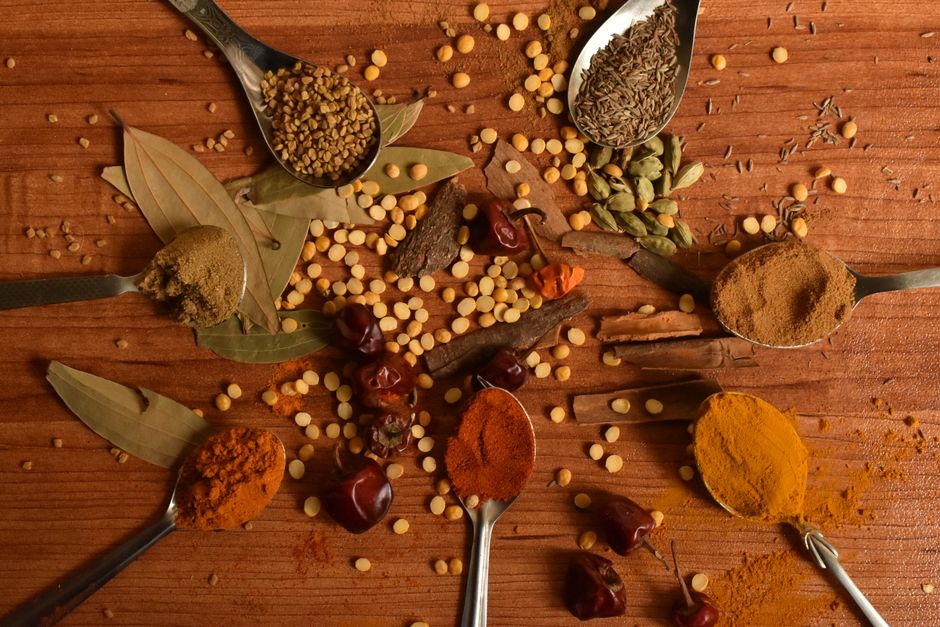
You reach for spices to make healthy food taste less boring, then a voice in your head asks if those little jars are secretly sabotaging your weight loss. The direct answer is no — spices are not bad for weight loss, and the question “are spices bad for weight” usually comes from confusion over calories in spice blends versus plain herbs. A teaspoon of ground cinnamon has about 6 calories, and you use far less than that at a time. The real issue isn’t the spices themselves — it’s the sugar, salt, and fillers hiding in pre-made mixes.
Most women trying to lose weight have been told to eat bland chicken and steamed vegetables. That advice is outdated and counterproductive. When food tastes flat, you are more likely to reach for high-calorie sauces or eat past fullness just to feel satisfied. Spices solve that problem without adding meaningful calories. They also bring anti-inflammatory compounds that support metabolism, though the effect is modest and not a substitute for diet changes.
This article covers what the evidence actually says about spices and weight loss, which spice blends to watch out for, and how to use spices in a way that supports your goals. You will not find hype or miracle claims here — just practical information you can use at dinner tonight.
Key Points at a Glance
| Point | What It Means | Why It Matters |
|---|---|---|
| Spices have very few calories | A teaspoon of most ground spices has 5–8 calories | You cannot gain weight from spice amounts used in cooking |
| Pre-made blends are the problem | Taco seasoning and curry powders often contain sugar and salt | Check labels — the additives add up faster than the spices |
| Spices can reduce cravings | Flavorful food increases satisfaction with smaller portions | You eat less without feeling deprived |
| Some spices support blood sugar | Cinnamon and fenugreek show modest glucose-lowering effects | Stable blood sugar helps manage hunger between meals |
Do Spices Add Hidden Calories to Your Diet?
This is the core fear behind “are spices bad for weight” — the idea that those small shakes add up over time. In practice, the math does not work that way. A single serving of cinnamon on oatmeal is about one-quarter teaspoon, which is roughly 1.5 calories. Black pepper on eggs is less than 1 calorie. Even if you used ten different spices on one meal, you would still be under 20 calories total.
Compare that to the two tablespoons of barbecue sauce many people add to chicken breast. That sauce contains around 50 calories and 10 grams of sugar. The spices themselves are not the problem. The real calorie trap is the sauces, dressings, and condiments that people use when food lacks flavor.
Which Spice Blends Should You Avoid for Weight Loss?
Not all spice jars are created equal. Pre-made seasoning blends are where the hidden calories and sodium live. Taco seasoning, pumpkin pie spice blends, curry powders, and ranch seasoning packets often list sugar as the first or second ingredient. A single tablespoon of some taco seasonings contains 3 grams of sugar and over 500 milligrams of sodium.
Salt is another concern. High sodium intake causes water retention, which shows up as a higher number on the scale even when you have not gained fat. Many women mistake this water weight for actual fat gain and then blame the spices. The solution is simple: buy single spices and blend them yourself, or look for blends that list spices first and have no added sugar.
Can Spices Actually Help You Lose Weight?
Some spices have compounds that may support weight loss indirectly. Capsaicin in cayenne pepper increases thermogenesis slightly — meaning your body burns a few extra calories digesting it. The effect is real but small, roughly 50 extra calories per day with consistent use. That alone will not cause weight loss, but it can add up over months alongside other habits.
Cinnamon has been studied for its effect on blood sugar regulation. A 2020 review found that cinnamon reduced fasting blood glucose in people with insulin resistance by an average of 10–15 points. Stable blood sugar means fewer energy crashes and less intense sugar cravings in the afternoon. Turmeric and ginger both have anti-inflammatory properties that may support metabolic health, though strong clinical evidence for direct weight loss is still limited.
How to Use Spices for Weight Loss Without Overthinking It
The easiest approach is to replace high-calorie flavor sources with spices. Instead of butter on vegetables, use garlic powder, smoked paprika, and a squeeze of lemon. Instead of cream-based sauces, use cumin, coriander, and tomato paste with chili flakes. These swaps save hundreds of calories per week without making food taste like cardboard.
One practical rule I follow is to keep five single spices on hand at all times: black pepper, smoked paprika, garlic powder, cumin, and cayenne. With these five, I can make almost any vegetable, protein, or grain taste good without reaching for a sauce. It removes the decision fatigue that leads people back to processed foods.
For women who find plain spices boring, try toasting them in a dry pan for 30 seconds before adding them to food. This releases the volatile oils and makes the flavor much stronger. You will use less spice overall and get more satisfaction from each meal.
Common Mistakes People Make When Using Spices for Weight Loss
The biggest mistake is assuming that “natural” means zero calories. While individual spices have negligible calories, using half a cup of spice blend on a single dish adds up. Stick to teaspoons, not tablespoons, for ground spices. Whole spices like cinnamon sticks or star anise can be simmered and removed, giving flavor without any calories at all.
Another mistake is ignoring the oil or fat used to cook the spices. Many spice compounds are fat-soluble, meaning they need some oil to release their flavor. A teaspoon of oil per serving is fine. The problem is when people use oil as the base for a spice paste and end up with 200 calories of oil before the food even hits the pan. Measure your oil — do not pour it straight from the bottle.
Related Articles
Frequently Asked Questions
Are spices bad for weight loss if I have a sensitive stomach?
Spices like cayenne and black pepper can irritate some people’s digestive systems. If you notice discomfort, try mild spices like turmeric, cinnamon, or ginger instead.
How many calories are in a typical serving of spices?
One teaspoon of most ground spices contains 5–8 calories. You typically use less than one teaspoon per serving, so the calorie impact is under 10 calories per meal.
Can cinnamon really help with weight loss?
Cinnamon may help stabilize blood sugar, which reduces cravings and energy crashes. The effect on direct weight loss is modest and works best alongside a balanced diet.
Do spice blends have more calories than single spices?
Yes, many pre-made blends contain added sugar, salt, and anti-caking agents. Single spices have no additives and are always the lower-calorie choice.
Should I avoid salt-based spice blends on a weight loss diet?
Salt-based blends cause water retention, which shows as temporary weight gain on the scale. For accurate progress tracking, use salt-free spice blends or single spices.
How do I know if a spice blend has hidden sugar?
Check the ingredient list for any form of sugar, including dextrose, maltodextrin, or cane sugar. If sugar appears in the first three ingredients, skip that blend.
For a more personalized approach to your calorie needs, use the TDEE Calculator to find your maintenance calories and set a realistic deficit for weight loss.

The TDEECAL Team writes about nutrition, metabolism, and fat loss the way we built our calculator, with real numbers and no hype. We dig into the research so you don’t have to guess.