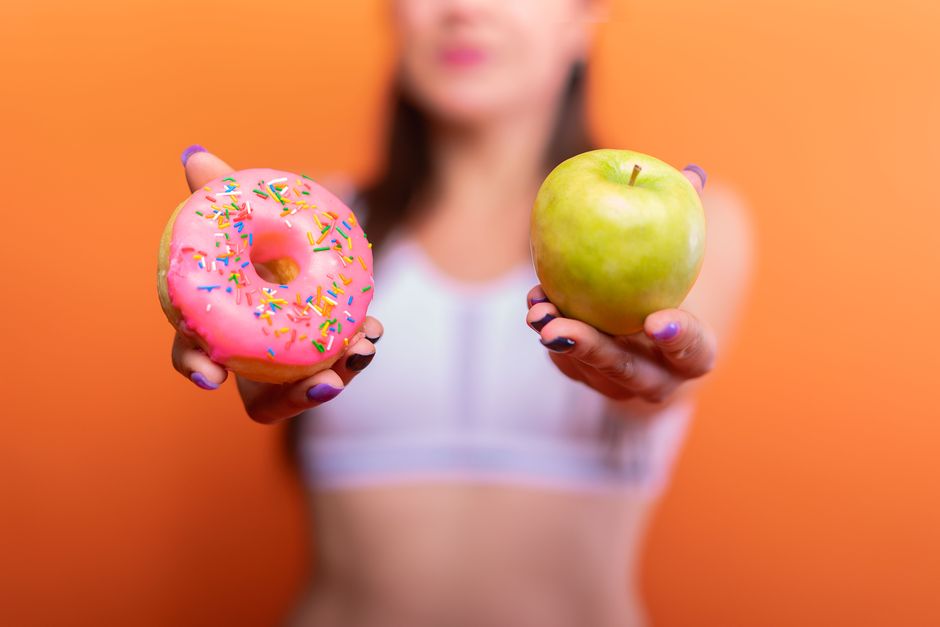
You can spend hours on the treadmill and still not lose weight if your food choices are working against you. The direct answer is that diet is more important than exercise for weight loss because controlling calorie intake is far more efficient than trying to burn them off through physical activity. It takes about 30 minutes of running to burn off a single slice of pizza, but only a few seconds to decide not to eat it. This article explains the science behind why diet is more important, gives you practical strategies to shift your focus, and clears up common myths that keep women stuck.
Many women overestimate how many calories exercise burns and underestimate how many calories they eat. This gap is where frustration lives. Understanding the real relationship between food and movement changes everything.
Key Points at a Glance
| Point | What It Means | Why It Matters |
|---|---|---|
| Calorie deficit rules | You must burn more than you eat to lose fat. | Exercise alone rarely creates a large enough deficit. |
| Diet controls intake directly | You choose exactly what and how much goes in. | This is the most reliable lever for weight loss. |
| Exercise boosts health, not weight | Movement improves heart health and mood. | But it burns fewer calories than most people assume. |
| Compensation is real | Exercise often increases hunger or justifies extra food. | This can cancel out the calories you just burned. |
| Sustainability matters most | You need habits you can keep long term. | Diet changes are easier to maintain than heavy workouts. |
Why Diet is More Important Than Exercise for Weight Loss
The math is simple but most people get it wrong. One pound of body fat equals roughly 3,500 calories. To lose that pound in a week, you need a daily deficit of 500 calories. You can cut 500 calories from your diet by skipping one large latte and a small snack. To burn 500 calories through exercise, a 155-pound woman would need to run for about 45 minutes at a steady pace.
That is a lot of effort for a small return. And most people do not realize how quickly exercise calories add up in their minds. I have seen clients log a 400-calorie workout and then eat a 600-calorie “reward” meal without blinking. That leaves you 200 calories ahead of where you started — in the wrong direction.
Practical tip: Track your food for three days without changing anything. Then compare it to what you think you burn in a workout. The gap will surprise you.
How Many Calories Does Exercise Actually Burn?
Most fitness machines and smartwatches overestimate calorie burn by 20 to 40 percent. A study from Stanford University found that wearable devices were inaccurate in measuring energy expenditure across the board. The reality is that a moderate 30-minute walk burns about 100 to 150 calories for most women. That is the equivalent of a small apple with peanut butter.
Exercise has many benefits that have nothing to do with weight. It improves insulin sensitivity, reduces stress, strengthens bones, and supports heart health. But relying on it as your primary weight loss tool is a setup for disappointment. Your kitchen is where the real work happens.
What Happens When You Focus Only on Exercise
Women who start intense workout programs often gain weight at first. This is not muscle gain — it is water retention from muscle inflammation and increased hunger. Your body naturally compensates for extra activity by making you hungrier and less inclined to move the rest of the day. You might take the elevator instead of the stairs after a morning run without even noticing.
This compensation effect is well documented in research. A 2012 study published in the journal Obesity found that participants who exercised without diet changes lost significantly less weight than predicted by the calories they burned. Their bodies simply adapted. This is why diet is more important than exercise for weight loss — your body cannot compensate for a reduced calorie intake the same way.
How to Shift Your Focus to Diet First
Start with protein. Eating enough protein at each meal helps control hunger and preserves muscle while you lose fat. Aim for 25 to 30 grams per meal. That looks like three eggs at breakfast, a can of tuna at lunch, and a palm-sized piece of chicken at dinner. Protein has a higher thermic effect than carbs or fat, meaning your body burns more calories digesting it.
Next, focus on volume. Vegetables and fruits are low in calories but high in water and fiber. They fill your stomach without filling your calorie budget. I always add a handful of spinach to my eggs in the morning — it wilts down to almost nothing but makes the meal feel twice as big. Small swaps like this add up without feeling like a diet.
Practical tip: Use a TDEE Calculator to find your maintenance calories. Then subtract 300 to 500 calories for a safe, sustainable deficit. Do not go lower than 1,200 calories without medical supervision.
Common Mistakes Women Make When Prioritizing Diet
The biggest mistake is cutting too many calories too fast. This triggers your body to lower its metabolic rate and increases the hormone ghrelin, which makes you ravenous. You might lose weight quickly at first, but you will likely regain it when you cannot sustain the restriction. Slow and steady wins this race.
Another mistake is eliminating entire food groups. Carbs are not the enemy. Fat is not the enemy. The enemy is eating more calories than your body needs, regardless of where they come from. A balanced diet that includes all macronutrients is easier to stick with and better for your overall health.
Frequently Asked Questions
Related Articles
Can I lose weight without exercising at all?
Yes, you can lose weight through diet alone if you maintain a calorie deficit. Exercise is not required for weight loss, though it offers many health benefits.
How much more important is diet compared to exercise?
Most experts estimate that weight loss is roughly 75 to 80 percent diet and 20 to 25 percent exercise. The exact ratio varies by individual, but diet consistently plays the larger role.
Will I lose muscle if I only focus on diet?
You can lose some muscle when you lose weight through diet alone, especially if you cut calories too low. Eating enough protein and doing some resistance training helps preserve muscle mass.
Should I stop exercising while I fix my diet?
No, keep moving for your health, not for calorie burn. Exercise improves mood, sleep, and metabolic health, which all support your weight loss efforts indirectly.
Why does exercise make me gain weight sometimes?
Exercise can cause temporary water retention as muscles repair and inflammation subsides. It can also increase appetite, leading to eating more than you burned.
What is the best diet for weight loss?
The best diet is the one you can stick with consistently. Any approach that creates a calorie deficit will work, whether that is low carb, low fat, or simply portion control.

The TDEECAL Team writes about nutrition, metabolism, and fat loss the way we built our calculator, with real numbers and no hype. We dig into the research so you don’t have to guess.