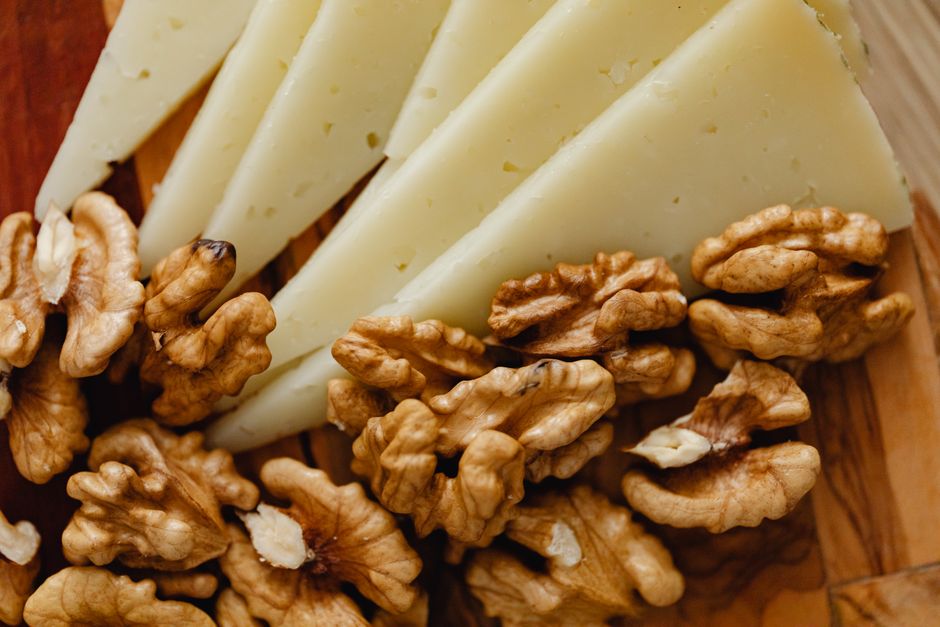
You open the fridge, see a block of cheddar, and hesitate. Will this help or hurt your weight loss efforts? That single question has probably crossed your mind more than once.
The short answer is that cheese is not inherently bad for weight loss. The question of whether cheese is good or bad depends entirely on portion size, the type you choose, and how it fits into your overall daily calorie intake. Cheese is a nutrient-dense food that provides protein and fat, both of which can support satiety and help you feel fuller for longer.
Most mainstream weight loss advice tells you to cut out cheese entirely. That approach often backfires. You end up feeling deprived, and eventually, you binge on it. This article breaks down the actual evidence so you can make an informed decision without the guilt.
We will cover calorie density, protein content, the best types for weight loss, and how to enjoy cheese without derailing your progress. You will get practical strategies, not empty promises.
Key Points at a Glance
| Point | What It Means | Why It Matters |
|---|---|---|
| Calorie density | Cheese is high in calories per gram | Small portions are critical to avoid exceeding your calorie goal |
| Protein content | Most cheeses provide 6-8 grams of protein per ounce | Protein helps preserve muscle and increases fullness during weight loss |
| Fat composition | Cheese contains saturated fat | Moderate intake is fine for most people; extreme restriction is unnecessary |
| Calcium | Cheese is a rich source of calcium | Some research links higher calcium intake to better weight management |
| Portion control | An ounce of cheese is about the size of two dice | Most people eat 2-3 times this amount without realizing it |
Is Cheese Good or Bad for Weight Loss Based on Calories?
Calories are the primary factor in weight loss. Cheese is calorie-dense because it is mostly fat. A single ounce of cheddar cheese contains roughly 110-120 calories. That is a lot for such a small amount of food.
But calories alone do not tell the whole story. The same ounce of cheddar also provides about 7 grams of protein. Protein is the most satiating macronutrient. Eating protein-rich foods like cheese can help you eat fewer total calories later in the day.
How Much Protein Does Cheese Provide?
Protein content varies significantly by cheese type. Hard, aged cheeses like Parmesan offer the most protein per ounce — around 8-10 grams. Soft cheeses like brie or camembert provide less, typically 5-6 grams per ounce.
For comparison, an ounce of chicken breast has about 8-9 grams of protein. Cheese is a respectable protein source, but it comes with more calories than lean meat. You need to account for that difference in your daily calorie budget.
Which Types of Cheese Are Best for Weight Loss?
Not all cheeses are equal when it comes to weight loss. The best choices are those that give you the most protein and flavor for the fewest calories. Cottage cheese is a standout option — one cup has about 180 calories and 24 grams of protein.
Part-skim mozzarella and low-fat feta are also solid choices. They have a lower calorie density than full-fat cheddar or gouda. Hard cheeses like Parmesan are useful because a small amount adds intense flavor, which can satisfy cravings with fewer total calories.
Processed cheese products like cheese slices or cheese sauces often contain fillers and added sodium. They are usually less satisfying and offer less protein per calorie than natural cheese.
Does Cheese Cause Inflammation or Bloating?
Many people worry that cheese causes inflammation. The evidence here is mixed. Full-fat dairy does contain saturated fat, which some studies link to inflammatory markers. However, other research shows that fermented dairy products like cheese may have neutral or even anti-inflammatory effects for most people.
Bloating is a more common issue. If you are lactose intolerant, cheese — especially fresh, soft varieties — can cause gas and discomfort. Hard, aged cheeses like cheddar and Parmesan contain very little lactose and are usually well tolerated even by those with mild intolerance.
If you notice consistent bloating after eating cheese, try switching to aged varieties for a week. That small change often makes a noticeable difference.
How to Fit Cheese Into a Weight Loss Diet
Portion control is the single most important factor. Measure your cheese instead of eyeballing it. Pre-portion it into snack bags or use a scale. One ounce is a serving, not a block.
Use cheese as a flavor accent rather than the main event. Grate Parmesan over vegetables or sprinkle feta on a salad. This gives you the taste without the calorie load of a cheese-heavy meal.
Pair cheese with high-volume, low-calorie foods. Apple slices with a small piece of cheddar or celery sticks with cottage cheese create a satisfying snack that keeps calories in check.
Common Mistakes People Make With Cheese and Weight Loss
The biggest mistake is thinking you must eliminate cheese completely. That usually leads to cravings and eventual overeating. A small, planned portion of cheese is far better than a binge triggered by deprivation.
Another mistake is ignoring the calories in “healthy” cheeses. Goat cheese and feta are nutritious, but they still contain about 75-100 calories per ounce. Eating three ounces of “healthy” cheese on a salad adds 250-300 calories easily.
Relying on low-fat cheese is not always helpful either. Low-fat versions often have added sugar or fillers to improve texture. They may also be less satisfying, leading you to eat more overall.
Frequently Asked Questions
Related Articles
Can I eat cheese every day and still lose weight?
Yes, as long as you stay within your daily calorie target. A single ounce of cheese fits easily into most weight loss plans.
Is cheese good or bad for weight loss at night?
Eating cheese at night is fine if it fits your calorie budget. The time of day does not affect weight loss directly.
What is the lowest calorie cheese for weight loss?
Cottage cheese is the lowest calorie option with the highest protein content. Non-fat cottage cheese has about 80 calories per half cup.
Does cheese make you gain belly fat specifically?
No food causes fat gain in a specific area. Excess calories from any source, including cheese, contribute to overall body fat.
How much cheese can I eat on a weight loss diet?
A reasonable limit is 1-2 ounces per day. That provides protein and satisfaction without derailing your calorie deficit.
Is full-fat cheese better than low-fat for weight loss?
Full-fat cheese is often more satisfying in smaller portions. Low-fat versions may lead to eating more to feel full.
To calculate exactly how cheese fits into your personal calorie needs, use the TDEE Calculator. It gives you a precise daily calorie target based on your age, weight, height, and activity level.

The TDEECAL Team writes about nutrition, metabolism, and fat loss the way we built our calculator, with real numbers and no hype. We dig into the research so you don’t have to guess.