Most people assume a salad is automatically a weight loss food. But the truth is more complicated — and more useful.
Why salads are good for weight loss comes down to three specific factors: they increase vegetable volume without many calories, they slow down eating speed, and they displace higher-calorie options when eaten before a meal. The key is how you build them. A salad loaded with creamy dressing, cheese, and croutons can easily top 600 calories — more than a fast-food burger. But a well-constructed salad with the right ratios keeps you full on fewer calories, making it one of the most reliable tools for sustainable weight loss.
This article cuts through the confusion. You will learn exactly what makes a salad work for weight loss, what common mistakes sabotage it, and how to build one that actually keeps you satisfied. No gimmicks, no superfood claims — just practical guidance based on how real bodies respond to food.
Key Points at a Glance
| Point | What It Means | Why It Matters |
|---|---|---|
| Volume without calories | Leafy greens and vegetables take up stomach space with minimal calories | You feel full sooner and eat less overall |
| Slower eating speed | Chewing raw vegetables takes more time and effort | Your brain registers fullness before you overeat |
| Dressing is the hidden calorie source | Two tablespoons of creamy dressing can add 150+ calories | Choosing the wrong dressing cancels out the benefits |
| Protein matters more than you think | Adding lean protein keeps hunger away for hours | Without protein, you will be hungry again in 90 minutes |
What Makes a Salad Actually Work for Weight Loss?
There is no magic in lettuce. The effectiveness of a salad comes from how it changes your eating behavior. When you eat a large bowl of vegetables before your main meal, you naturally eat less of the higher-calorie foods that follow. Studies show that eating a low-calorie first course reduces total calorie intake at that meal by about 12 percent. That is not dramatic, but it adds up over weeks and months.
The second mechanism is slower eating. Raw vegetables require chewing. That chewing time gives your stomach and brain time to communicate fullness signals. Most people finish a sandwich in under five minutes. A salad of the same calorie content takes fifteen to twenty minutes. That delay matters more than most people realize.
How Many Calories Should a Weight Loss Salad Have?
A salad meant for weight loss should land between 300 and 450 calories for a main meal. That number gives you enough energy to feel satisfied without exceeding your daily calorie target. Anything under 250 calories will leave you hungry within two hours. Anything over 600 calories starts to defeat the purpose unless it replaces a larger meal.
The calorie density matters more than the total number. Aim for at least three cups of vegetables as your base. That volume provides bulk without many calories. Then add one protein source, one healthy fat source in moderation, and a dressing you measure rather than pour. A salad built this way keeps you full for four to five hours.
Is Why Salads are Good for Weight Loss Good for Weight Loss?
This question gets asked often, and the answer depends entirely on execution. A salad made primarily of iceberg lettuce, bottled ranch dressing, shredded cheese, and croutons is not a weight loss food. It is a calorie-dense meal in disguise. The term “salad” on a menu or package means very little on its own.
What matters is the ratio of vegetables to everything else. When vegetables make up at least 70 percent of the total volume, the salad supports weight loss. When that ratio drops below 50 percent, the salad becomes something else entirely. Check your bowl before you eat it. If you see more toppings than greens, you have a problem.
Common Mistakes That Turn Salads Into Calorie Bombs
The most common mistake is underestimating dressing. One restaurant serving of Caesar dressing can contain 300 calories and 30 grams of fat. That is more calories than the entire salad itself. Always ask for dressing on the side. Dip your fork into the dressing before each bite rather than pouring it over the top. This simple switch saves 100 to 200 calories per meal.
The second mistake is skipping protein. Without protein, your blood sugar drops quickly after eating, triggering hunger and cravings within an hour. Add grilled chicken, hard-boiled eggs, chickpeas, or tofu. Aim for at least 20 grams of protein in your salad. That amount keeps your appetite stable and prevents the afternoon snack attack.
The third mistake is using low-fat dressing to save calories. Many low-fat dressings replace fat with sugar or artificial thickeners to improve texture. You end up with similar calories and less satisfaction. A small amount of full-fat dressing often works better because the fat helps you absorb fat-soluble vitamins from the vegetables.
How to Build a Perfect Weight Loss Salad Every Time
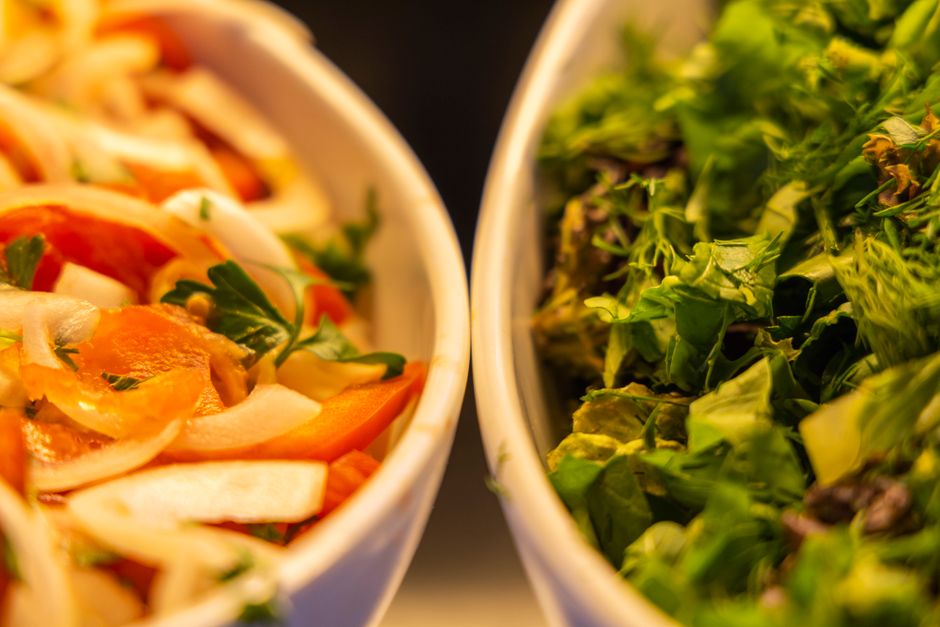
Start with a dark leafy green base. Romaine, spinach, arugula, or mixed greens all work. Avoid iceberg lettuce alone — it has very little fiber or nutrients. Fill at least half your bowl with these greens. Then add a rainbow of vegetables: tomatoes, cucumbers, bell peppers, carrots, and red onion all add volume and different nutrients.
Add your protein next. Grilled chicken breast, canned tuna, hard-boiled eggs, or lentils all work well. Use a full serving — roughly the size of your palm. Then add a small amount of healthy fat. A quarter of an avocado, a tablespoon of olive oil in your dressing, or a sprinkle of nuts or seeds provides enough fat for flavor and absorption.
Finally, add your dressing. Measure it. Two tablespoons is the maximum for a weight loss salad. If you want more moisture, add a splash of vinegar or lemon juice instead. I always taste the salad before adding dressing — sometimes the vegetables are flavorful enough on their own.
Related Articles
Frequently Asked Questions
Can I eat salad every day for weight loss?
Yes, eating salad daily can support weight loss if you vary your ingredients. Eating the exact same salad every day may lead to boredom and nutrient gaps over time.
What is the best dressing for weight loss salads?
A simple vinaigrette of olive oil, vinegar, and mustard gives you the most flavor for the fewest calories. Creamy dressings work too, but use half the amount you normally would.
How much dressing should I put on a salad?
Two tablespoons is the maximum for a weight loss salad. Use one tablespoon if you are adding other high-calorie ingredients like cheese or nuts.
Are store-bought salad kits good for weight loss?
Most salad kits contain 400 to 700 calories per bag when you add the full dressing and toppings. Check the label and use half the dressing packet to make them work for weight loss.
Should I eat salad before or after my main meal?
Eat salad before your main meal to reduce total calorie intake. Studies show that eating a low-calorie first course helps you eat less of the higher-calorie foods that follow.
Can I lose weight eating only salads?
A salad-only diet is not recommended because you would miss essential nutrients found in other food groups. Use salads as part of a balanced eating pattern, not the entire pattern.
For a more personalized approach, use the TDEE Calculator to find your exact daily calorie needs. Then build your salads to fit within that number.

The TDEECAL Team writes about nutrition, metabolism, and fat loss the way we built our calculator, with real numbers and no hype. We dig into the research so you don’t have to guess.