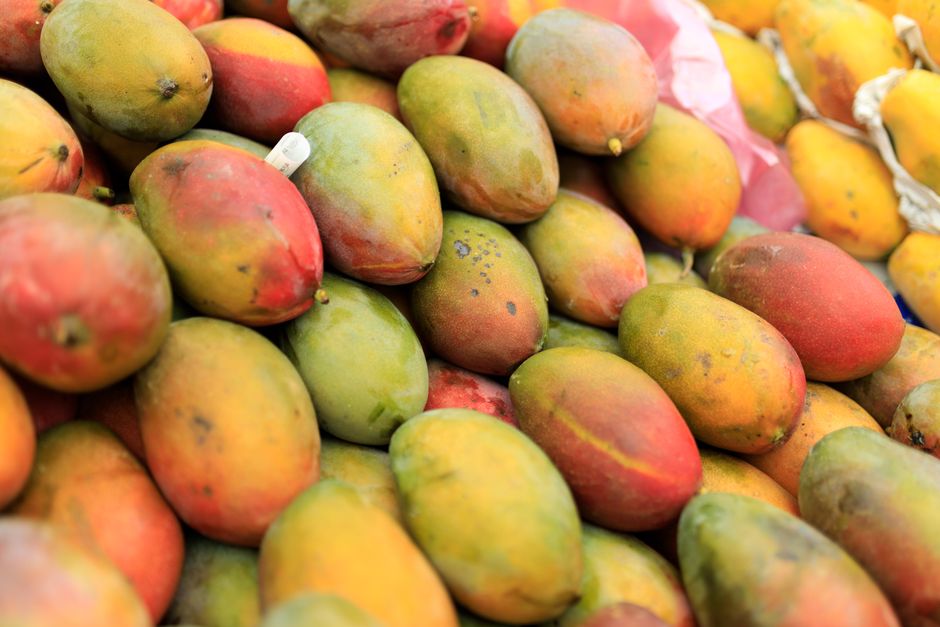
You might have heard that mango is too sugary for weight loss, but that is not the full story. Is mango good to eat for weight loss? The direct answer is yes, in reasonable portions. Mango provides fiber, water, and key vitamins that can support a weight loss diet when you eat it mindfully. One cup of diced mango has about 99 calories and 2.6 grams of fiber, which helps with fullness. This article breaks down the actual research, portion sizes that work, and common mistakes to avoid so you can enjoy mango without derailing your goals.
Many women cut out fruit entirely when trying to lose weight. That approach often backfires. Fruit provides nutrients that help your body function well, and cutting it out can lead to cravings for processed sweets. Mango, in particular, offers vitamin C, folate, and antioxidants that support metabolism and energy. The key is knowing how to fit it into your daily calorie budget.
Key Points at a Glance
| Point | What It Means | Why It Matters |
|---|---|---|
| Calorie density | One cup of mango has about 99 calories | Easy to fit into a 1,500–1,800 calorie daily target |
| Fiber content | 2.6 grams per cup | Slows digestion and helps you feel full longer |
| Natural sugar | About 23 grams of sugar per cup | Comes with fiber and water, unlike added sugar in candy |
| Portion control | Stick to 1 cup or half a mango per serving | Prevents accidentally eating 300+ calories in one go |
| Glycemic index | Moderate GI of 51 | Does not spike blood sugar as much as high-GI foods |
Is Mango Good to Eat for Weight Loss or Just Sugar?
Mango contains natural sugar, but it is not the same as eating candy. The sugar in mango comes packaged with fiber, water, and vitamins. Fiber slows how fast your body absorbs that sugar, which prevents the energy crash and hunger spike you get from processed sweets. I always keep a bag of frozen mango chunks in my freezer — they are pre-portioned and easy to add to yogurt without thinking.
Research on fruit and weight loss shows that whole fruit intake is linked to lower body weight over time. A 2019 study in Nutrients found that people who ate more whole fruit had lower body fat percentages. Mango specifically provides beta-carotene and vitamin C, which support immune function while you are eating at a calorie deficit. The evidence does not suggest that mango causes weight gain when eaten in sensible portions.
What Is a Smart Mango Portion for Weight Loss?
A smart portion is one cup of diced mango or about half a medium mango. That gives you roughly 99 calories and 23 grams of sugar. Eating a whole large mango can push 200–250 calories, which is fine if you account for it, but easy to overlook.
I measure mango by the handful when I am in a hurry. One handful is about half a cup. Two handfuls is a full serving. This method works better than guessing and helps me avoid eating three servings without realizing it. If you are tracking calories, weigh the flesh only — the skin and pit add no calories but take up space in your bowl.
How Does Mango Compare to Other Fruits for Weight Loss?
Mango is higher in sugar than berries or melon but lower in sugar than grapes or dried fruit. One cup of strawberries has about 50 calories and 7 grams of sugar. One cup of mango has about 99 calories and 23 grams of sugar. That does not mean mango is bad — it means you need to be more careful with portions.
The trade-off is that mango provides more vitamin C and beta-carotene than most fruits. A single cup gives you 67 percent of your daily vitamin C needs. That matters for skin health and immune function, especially when your body is under stress from a calorie deficit. I swap berries for mango a few times a week just for the variety and nutrient boost.
When Is the Best Time to Eat Mango for Weight Loss?
There is no magic time to eat mango for weight loss. Your body processes calories the same way regardless of the clock. That said, eating mango earlier in the day or before a workout can help because the natural sugar gives you quick energy.
Some women find that eating fruit after dinner triggers late-night snacking. If that sounds like you, eat mango as part of breakfast or a mid-morning snack instead. I add frozen mango to my morning smoothie with spinach and protein powder. It tastes like a treat but keeps me full until lunch.
Common Mistakes When Eating Mango for Weight Loss
The biggest mistake is eating mango as juice. Mango juice removes the fiber and leaves mostly sugar water. A small glass of mango juice can have 150 calories and 30 grams of sugar with almost no fullness. Stick to whole mango every time.
Another mistake is adding sugar or honey to mango. Ripe mango is already sweet. Adding extra sugar doubles the calorie load without improving the taste. I learned this the hard way when I used to sprinkle sugar on my mango slices — it was completely unnecessary. A squeeze of lime or a pinch of chili powder adds flavor without calories.
Frequently Asked Questions
Related Articles
Can I eat mango every day while trying to lose weight?
Yes, as long as you stick to one cup per serving and account for the calories in your daily budget. Eating mango daily provides consistent vitamin C and fiber without harming weight loss efforts.
Does mango cause belly fat?
No single food causes belly fat directly. Excess calories from any source, including mango, can contribute to fat gain if you consistently eat more than you burn.
Is frozen mango as healthy as fresh mango for weight loss?
Yes, frozen mango is nutritionally similar to fresh mango. It is often picked at peak ripeness and flash-frozen, so it retains fiber and vitamins well.
How many calories are in a whole mango?
A whole medium mango (about 200 grams of flesh) has roughly 120–150 calories. A large mango can reach 200 calories or more depending on size.
Can mango help with sugar cravings during weight loss?
Yes, the natural sweetness of mango can satisfy sugar cravings without the additives found in processed sweets. Pair it with protein for better blood sugar control.
Should I avoid mango if I have diabetes?
You do not need to avoid mango entirely, but portion control matters more. Stick to half a cup and eat it with a protein or fat source to slow sugar absorption.
For a more accurate picture of how mango fits into your daily calorie needs, try the TDEE Calculator to find your maintenance calories and deficit target.

The TDEECAL Team writes about nutrition, metabolism, and fat loss the way we built our calculator, with real numbers and no hype. We dig into the research so you don’t have to guess.