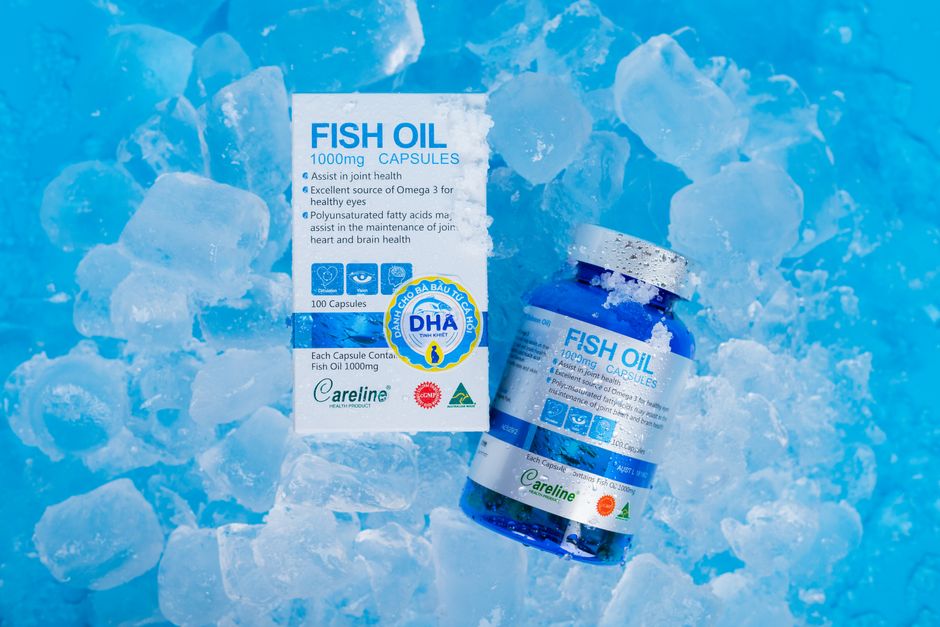
You’ve probably seen the fish oil bottle on your shelf and wondered if it could actually help with weight loss. The truth is less dramatic than the marketing claims, but more useful than you might think.
The standard recommendation for how much fish oil to take daily for weight loss is 1,000 to 2,000 milligrams of combined EPA and DHA, which usually means 2 to 3 standard softgels. This amount supports metabolic health and reduces inflammation, but it does not directly burn fat. Think of it as a helper, not a solution.
Most articles stop at telling you a number. This one explains the research, the realistic expectations, and the practical steps to get it right without wasting money or risking side effects.
Many women in their 40s and 50s hit a wall with weight loss. Fish oil can help with the inflammation that makes that wall harder to climb, but only if you take the right form and dose.
Key Points at a Glance
| Point | What It Means | Why It Matters |
|---|---|---|
| Dose range | 1,000–2,000 mg combined EPA/DHA daily | Too little does nothing; too much can thin blood |
| Form matters | Triglyceride form absorbs better than ethyl ester | You get more benefit from fewer pills |
| Timing | Take with a meal containing fat | Absorption increases by up to 3x with food |
| Realistic effect | Modest support, not a fat burner | Prevents disappointment and overspending |
| Side effects | Fishy burps, loose stools, blood thinning | Knowing these helps you stick with it |
What Does the Research Actually Say About Fish Oil and Weight Loss?
The evidence is mixed, and honest reviews of the studies show modest effects at best. A 2020 meta-analysis of 21 trials found that fish oil supplementation led to an average weight loss of about 1.5 pounds over 12 weeks. That is not nothing, but it is also not a transformation.
The more consistent finding is that fish oil reduces waist circumference and improves body composition, meaning you may lose inches even if the scale barely moves. This happens because omega-3s lower inflammation, which is linked to stubborn belly fat storage.
I keep a bottle of concentrated fish oil in my fridge and take it with my dinner salad. The cold temperature kills the fishy aftertaste, and the fat from the dressing helps absorption.
How Much Fish Oil to Take Daily for Weight Loss: The Exact Numbers
The key number to look for on the label is the combined EPA and DHA content, not the total fish oil amount. Most standard softgels contain 300 to 500 mg of combined EPA and DHA, so 2 to 3 softgels will get you to the 1,000–2,000 mg target.
If you are over 50 or have inflammatory conditions like arthritis, you may benefit from the higher end of that range, around 2,000 mg daily. Start at 1,000 mg for two weeks to check for side effects, then increase if needed.
Practical tip: Check the “Supplement Facts” panel, not the front of the bottle. Many brands advertise “1,200 mg fish oil” but that is the total oil weight, not the EPA/DHA content. You want at least 600 mg combined EPA and DHA per serving.
What Form of Fish Oil Works Best for Weight Loss?
Liquid fish oil absorbs better than capsules, but the taste can be off-putting. If you choose capsules, look for “triglyceride form” or “re-esterified triglyceride” on the label. These forms have absorption rates around 70%, compared to about 30% for the cheaper ethyl ester form.
Krill oil is another option. It contains the same omega-3s but in a phospholipid form that may absorb even better. The downside is cost — krill oil can be three times more expensive per milligram of EPA/DHA.
Algae-based omega-3s are a good choice if you avoid fish. They provide DHA primarily, with less EPA, so you may need a higher dose.
Common Mistakes When Taking Fish Oil for Weight Loss
The biggest mistake is expecting fish oil to replace diet and exercise. It will not. If your calorie intake stays high, fish oil will not cause weight loss on its own.
Another mistake is taking fish oil on an empty stomach. This causes the infamous fishy burps and reduces absorption significantly. Always take it with a meal that contains some fat, like eggs, avocado, or olive oil.
Storing fish oil in a warm place speeds up oxidation, turning the oil rancid. Rancid fish oil can cause inflammation instead of reducing it. Keep your bottle in the refrigerator after opening.
How Long Before You See Results from Fish Oil?
Omega-3 levels in your blood take about 4 to 6 weeks to reach a steady state. You may notice reduced joint pain or better skin before any change in weight.
For weight-related changes, expect to wait 8 to 12 weeks to see a difference in measurements or how your clothes fit. The effect is gradual, which is actually a good sign — it means your body is adapting rather than experiencing a temporary water loss.
Use our TDEE Calculator to set your calorie targets first, then add fish oil as a supporting strategy. The calculator gives you a realistic starting point based on your age, height, weight, and activity level.
Related Articles
Frequently Asked Questions
Can fish oil cause weight gain?
No. Fish oil adds about 10 to 20 calories per softgel, which is negligible. Weight gain from fish oil is extremely unlikely at standard doses.
Should I take fish oil in the morning or at night?
Take it with your largest meal of the day, regardless of the time. The fat content of that meal improves absorption and reduces digestive side effects.
Is 3,000 mg of fish oil too much for weight loss?
For most people, 3,000 mg is safe but unnecessary for weight loss. Higher doses increase the risk of blood thinning and may cause loose stools.
Do I need to take fish oil forever to keep the weight off?
No. Fish oil is a short-term support tool, not a lifelong requirement. Once your inflammation levels drop, you can reduce the dose or stop entirely.
Can I get enough omega-3s from food instead of supplements?
Yes, but you would need to eat fatty fish like salmon or mackerel 3 to 4 times per week. Most people do not eat that much fish consistently.
Does fish oil interact with any weight loss medications?
Fish oil can thin the blood, so it may interact with blood thinners like warfarin. Check with your doctor if you take any prescription medication.
Fish oil is a useful addition to a weight loss plan, but it works best when you have the basics in place first. Set your calorie targets, move your body, and use fish oil to support the process — not replace it.

The TDEECAL Team writes about nutrition, metabolism, and fat loss the way we built our calculator, with real numbers and no hype. We dig into the research so you don’t have to guess.