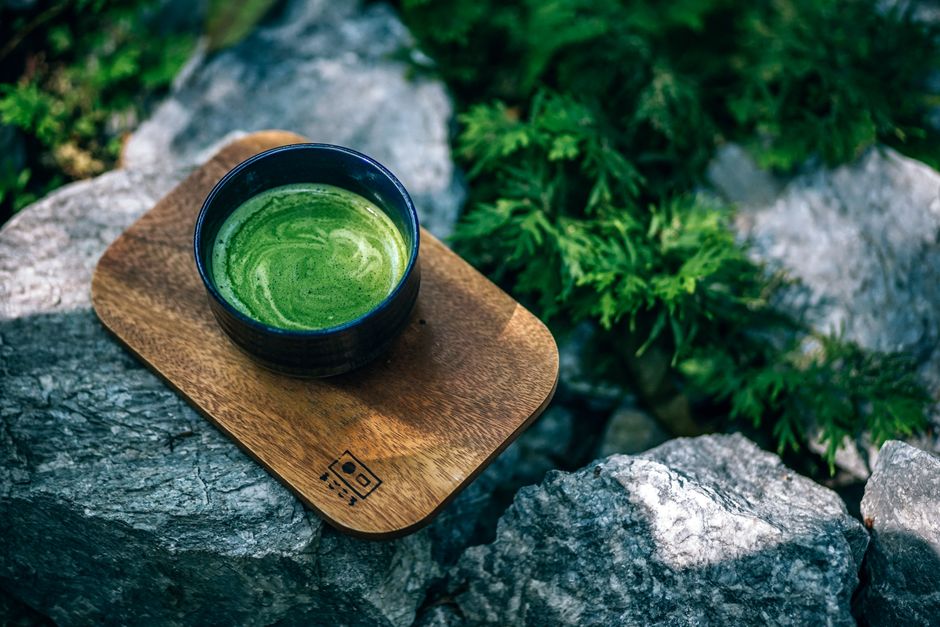
Green tea is one of the most popular drinks for weight loss, but the amount you need to drink each day matters more than you might think.
The best answer to how much drink green tea for weight loss is 2 to 4 cups per day. This provides between 200 and 400 milligrams of catechins and 50 to 100 milligrams of caffeine — the two compounds most linked to a modest increase in calorie burn. Most studies show that drinking this amount consistently, without adding sugar or cream, supports weight loss efforts when combined with a calorie-controlled diet.
Many people start drinking green tea hoping for a quick fix. But the research tells a more honest story. The effects are real but small. A 2012 meta-analysis in the International Journal of Obesity found that catechin-caffeine mixtures increased energy expenditure by about 4 percent over 24 hours. That is not enough to cancel out a poor diet, but it is enough to give your metabolism a slight nudge.
This article covers the exact amount backed by research, how timing affects results, and what to watch out for. If you have been confused by conflicting advice, this should clear things up.
Key Points at a Glance
| Point | What It Means | Why It Matters |
|---|---|---|
| Optimal daily amount | 2 to 4 cups of brewed green tea | Provides enough catechins and caffeine for a measurable metabolic boost |
| Key active compounds | Catechins (especially EGCG) and caffeine | These work together to slightly increase calorie burn and fat oxidation |
| Brewing method matters | Steep for 2 to 3 minutes in hot water | Under-steeping reduces catechin extraction; over-steeping adds bitterness |
| What to avoid adding | Sugar, honey, cream, or milk | These add calories that cancel out the small metabolic benefit |
| Supplement vs. brewed tea | Brewed tea is better for most people | Supplements have higher risk of liver toxicity and lack the full compound profile |
How Much Green Tea Should You Drink for Weight Loss?
The research consistently points to 2 to 4 cups per day. A 2010 review in the Journal of the American College of Nutrition analyzed multiple studies and found that drinking 3 to 5 cups daily provided the most consistent benefits for fat oxidation during exercise and resting energy expenditure. Going beyond 5 cups does not appear to offer additional weight loss benefits and may increase side effects like jitters or stomach upset.
One thing I have noticed over the years is that people often drink green tea from a mug that holds more than a standard cup. A standard cup is 8 ounces. If your mug holds 12 or 16 ounces, adjust your count accordingly. Drinking 4 large mugs is not the same as 4 cups.
Does the Timing of Green Tea Matter for Weight Loss?
Yes, timing can influence how your body uses the compounds. Drinking green tea 30 to 60 minutes before a workout appears to increase fat oxidation during exercise. A 2008 study in the American Journal of Clinical Nutrition found that men who took green tea extract before exercise burned 17 percent more fat than those who took a placebo.
But for everyday weight loss, consistency matters more than exact timing. Spreading your cups throughout the day — one in the morning, one after lunch, one in the early afternoon — keeps catechin levels steady. Avoid drinking it late in the evening if caffeine affects your sleep, since poor sleep can undermine weight loss efforts.
What Type of Green Tea Is Best for Weight Loss?
Matcha green tea contains higher concentrations of catechins than standard brewed green tea because you consume the whole leaf. A 2014 study in the Journal of Chromatography A found that matcha had 137 times more EGCG than a standard bagged green tea. But it also costs more and requires preparation.
Standard brewed green tea works perfectly well. Loose-leaf teas tend to have more catechins than bagged teas, but bagged is still effective. I keep a box of basic green tea bags in my desk drawer — it is convenient and gets the job done. The key is choosing a brand that lists green tea as the only ingredient, not a flavored blend with added sugars.
Practical tip: Brew your green tea with water that is just below boiling — about 175°F or 80°C. Boiling water destroys some of the catechins and makes the tea bitter. Let boiled water sit for one minute before pouring it over the leaves or bag.
Common Mistakes When Drinking Green Tea for Weight Loss
The most common mistake is adding sweeteners. A single teaspoon of sugar adds 16 calories. If you drink 3 cups with sugar, that is 48 extra calories — enough to cancel out the small metabolic boost green tea provides. Honey and agave are still sugar and have the same effect.
Another mistake is drinking green tea with milk. A 2010 study in the Journal of Agricultural and Food Chemistry found that adding milk reduced the absorption of catechins by up to 20 percent. The proteins in milk bind to the catechins, making them less available to your body. Drink it plain for the best results.
Finally, do not rely on green tea alone for weight loss. The metabolic boost is real but small — roughly 80 to 100 extra calories burned per day with consistent use. That is about the same as a 15-minute walk. Green tea works best as a small addition to a solid diet and exercise plan, not a replacement for one.
Can Green Tea Extract Supplements Help With Weight Loss?
Green tea extract supplements are more concentrated than brewed tea, but they come with higher risks. The National Institutes of Health has documented cases of liver injury linked to high-dose green tea extract supplements, particularly when taken on an empty stomach. The risk appears to be dose-dependent and rare, but it is real.
Brewed tea is safer because it provides a lower, more natural dose of catechins along with water and other compounds that may reduce risk. If you choose a supplement, look for one with a standardized EGCG content under 300 milligrams per day and take it with food. But for most people, 2 to 4 cups of brewed tea is the better choice.
Calculate your daily calorie needs for weight loss with our TDEE Calculator to see how green tea fits into your overall plan.
Related Articles
Frequently Asked Questions
Can I drink green tea on an empty stomach?
Drinking green tea on an empty stomach can cause nausea or stomach upset in some people due to the tannins. It is safer to drink it with or after a meal.
Does green tea help with belly fat specifically?
Green tea may help reduce overall body fat, but spot reduction of belly fat is not supported by evidence. Fat loss from exercise and diet will reduce belly fat over time.
Is decaf green tea as effective for weight loss?
Decaf green tea has fewer catechins and no caffeine, so the metabolic boost is smaller. It still provides antioxidants but is less effective for weight loss.
How long does it take to see weight loss results from green tea?
Most studies last 8 to 12 weeks and show modest weight loss of 1 to 3 pounds. Results vary widely between individuals and depend on overall diet and activity.
Can I drink green tea all day instead of water?
Green tea is mostly water and counts toward hydration, but drinking only green tea may provide too much caffeine. Alternate with plain water throughout the day.
Does green tea interfere with any medications?
Green tea can interact with blood thinners, beta-blockers, and some chemotherapy drugs. Check with your doctor or pharmacist if you take any prescription medications.

The TDEECAL Team writes about nutrition, metabolism, and fat loss the way we built our calculator, with real numbers and no hype. We dig into the research so you don’t have to guess.