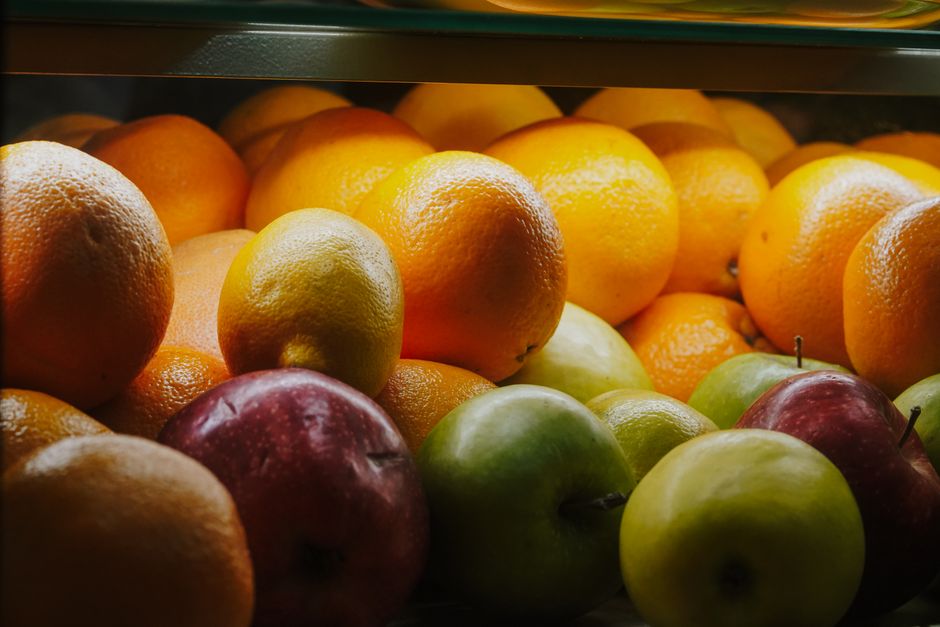
You might have stood in the grocery store aisle wondering which piece of fruit actually helps your weight loss efforts more. The short answer is yes — are oranges and apples good for weight loss? Both are excellent choices, but they work in slightly different ways. Apples provide more fiber and a lower calorie density for the same volume, while oranges deliver more vitamin C and hydration. Neither will sabotage your progress, and both can fit into any reasonable weight loss plan.
Many women in their 40s and 50s tell me they avoid fruit because “it has too much sugar.” That is a common misunderstanding. Whole fruit contains natural sugars packaged with fiber, water, and nutrients that slow digestion and keep you full. The real problem in weight loss is added sugar, not the sugar in an apple or orange. This article will break down the actual calorie numbers, fiber content, and practical ways to use both fruits without overcomplicating things.
I have spent years writing about nutrition for women navigating midlife weight changes. The evidence is clear: fruit eaters tend to weigh less and have better metabolic health than non-fruit eaters. But not all fruit is equal when you are trying to lose weight. Let me show you exactly what the data says about apples versus oranges.
Key Points at a Glance
| Point | What It Means | Why It Matters |
|---|---|---|
| Calorie difference | One medium apple has about 95 calories. One medium orange has about 62 calories. | Oranges are slightly lower in calories, but the difference is small enough that either works. |
| Fiber content | Apples provide about 4.4 grams of fiber. Oranges provide about 3.1 grams. | Higher fiber means longer fullness and better blood sugar control. |
| Vitamin C | Oranges contain about 70 mg of vitamin C. Apples contain about 8 mg. | Oranges are far superior for immune support and collagen production. |
| Sugar content | Apples have about 19 grams of sugar. Oranges have about 12 grams of sugar. | Both are low-glycemic fruits that do not spike blood sugar when eaten whole. |
| Volume and satiety | Apples are denser and take longer to eat. Oranges have more water weight. | Apples tend to score higher on satiety studies because of chewing time and fiber. |
How Many Calories Do Apples and Oranges Really Have?
A medium apple (about 182 grams) contains roughly 95 calories. A medium navel orange (about 154 grams) contains roughly 62 calories. That 33-calorie difference is not going to make or break your week. What matters more is how you eat them. If you peel and section the orange, you might eat it faster. If you eat the apple with the skin on and chew each bite thoroughly, your brain registers fullness sooner.
I always weigh my apple before eating it because sizes vary wildly at the grocery store. A large apple can easily hit 120 calories. A small one might be 70. The same goes for oranges. If you are tracking calories precisely, weigh the fruit once and note the average. Over time you will learn to eyeball it accurately without the scale.
Are Oranges and Apples Good for Blood Sugar Control?
Both fruits have a low glycemic index — apples around 36 and oranges around 43. That means they raise blood sugar slowly compared to refined carbs. The fiber in apples slows sugar absorption more than the fiber in oranges does, but both are safe for women with insulin resistance or prediabetes. The real danger is fruit juice. A glass of orange juice has no fiber and spikes blood sugar almost as fast as soda.
One patient I worked with ate an apple every afternoon instead of a granola bar. Her blood sugar readings dropped by 15 points within two weeks. That is not guaranteed for everyone, but it shows how swapping processed snacks for whole fruit can shift your metabolic health without feeling deprived. The key is eating the whole fruit, not drinking it.
Which Fruit Keeps You Full Longer?
Studies consistently show that apples rank higher than oranges on the satiety index. One study found that eating an apple 15 minutes before a meal reduced calorie intake at that meal by about 15 percent. Oranges did not show the same effect in that particular study. The reason appears to be the combination of pectin fiber in apples plus the physical act of chewing.
That does not mean oranges are bad for fullness. They are still more filling than a banana or grapes. If you are someone who needs to feel a lot of volume in your stomach, choose the apple. If you prefer something juicy and refreshing that also hydrates you, choose the orange. Both are better than any packaged snack.
How to Use Apples and Oranges for Weight Loss Without Getting Bored
Eating the same fruit every day can get old fast. Rotate between apples and oranges based on what is in season and what you crave. In fall and winter, apples are at their peak sweetness. In winter and spring, oranges are abundant and cheaper. I slice an apple into a bowl of plain Greek yogurt with a sprinkle of cinnamon for breakfast. That combination keeps me full until lunch without any cravings.
For a mid-afternoon snack, I peel an orange and eat it section by section while standing at the kitchen counter. It takes about eight minutes to eat one orange that way. That is eight minutes of hand-to-mouth activity that signals satiety to your brain. Compare that to drinking a smoothie in thirty seconds. The slower you eat, the fewer calories you consume overall.
Common Mistakes People Make When Eating Fruit for Weight Loss
The biggest mistake is pairing fruit with high-calorie add-ons. Apple slices with peanut butter can easily hit 300 calories if you use two tablespoons of peanut butter. A fruit salad with honey and granola can exceed 400 calories. The fruit itself is not the problem — it is what you add to it. Keep the additions minimal. A tablespoon of nuts or a spoonful of yogurt is plenty.
Another mistake is eating fruit alone on an empty stomach and wondering why you are hungry an hour later. Fruit digests quickly. Pair it with protein or fat to extend fullness. An apple with a cheese stick or an orange with a handful of almonds will keep your blood sugar stable and your appetite in check for hours. That is the difference between a snack that works and a snack that leaves you searching for more food.
Frequently Asked Questions
Related Articles
Can I eat apples and oranges every day while losing weight?
Yes, absolutely. Two to three servings of whole fruit per day is associated with better weight outcomes in observational studies. Just keep total fruit intake within your overall calorie goal.
Which fruit has less sugar — an apple or an orange?
An orange has less total sugar — about 12 grams versus 19 grams in an apple. But the glycemic load of both is low, so the sugar difference is not practically significant for weight loss.
Should I avoid fruit because of the sugar content?
No. Whole fruit is not the same as added sugar. The fiber and water content in fruit slow digestion and prevent blood sugar spikes. Avoiding fruit entirely can backfire by increasing cravings for processed sweets.
Is apple juice or orange juice okay for weight loss?
No. Fruit juice removes the fiber and concentrates the sugar. A cup of apple juice has about 120 calories and no fiber. Stick to whole fruit and drink water for hydration.
Can apples and oranges help with belly fat specifically?
No single food targets belly fat. But replacing processed snacks with whole fruit can reduce overall calorie intake, which helps reduce total body fat including abdominal fat over time.
How many apples or oranges should I eat per day for weight loss?
One to two servings total is reasonable for most women. A serving is one medium apple or one medium orange. Eating more than that can add unnecessary calories without additional benefit.
If you want to track your exact calorie needs for weight loss, use the TDEE Calculator to find your maintenance calories and create a sustainable deficit.

The TDEECAL Team writes about nutrition, metabolism, and fat loss the way we built our calculator, with real numbers and no hype. We dig into the research so you don’t have to guess.