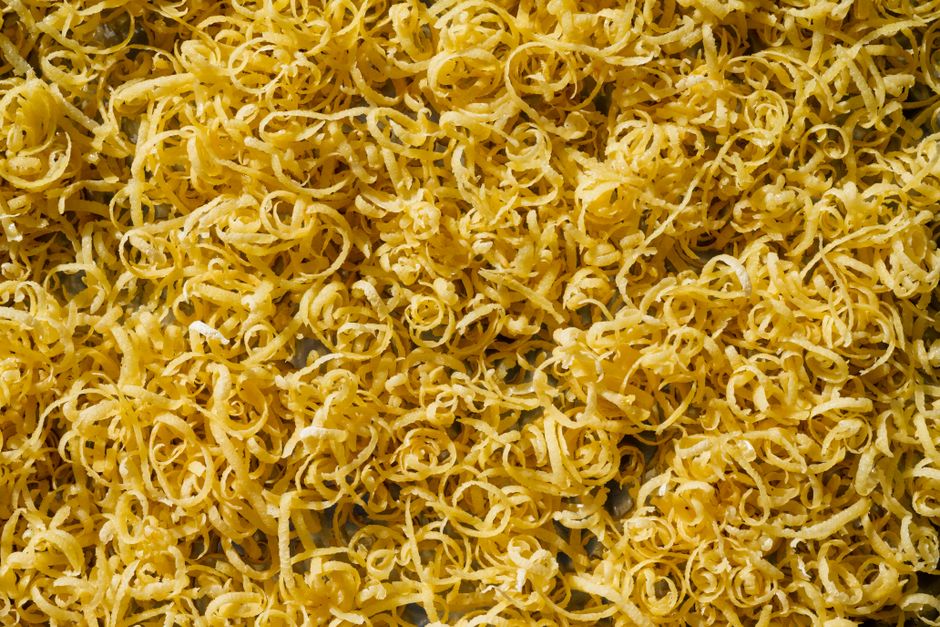
You have likely seen spaghetti squash recommended for weight loss because it looks like pasta but has far fewer calories. But the real question is whether swapping your regular noodles for this winter squash actually helps you lose weight, or if it is just another health trend that does not deliver.
Is spaghetti squash healthy for weight loss? Yes, spaghetti squash is a smart choice for weight loss because it is low in calories — about 42 calories per cup — and high in water and fiber, which help you feel full. It also provides key nutrients like vitamin C and manganese without the blood sugar spike you get from refined pasta. But it is not a magic food, and how you prepare it matters a great deal.
This article covers what the evidence actually says about spaghetti squash and weight loss. You will learn how many calories it has, how it compares to regular pasta, and the mistakes people make that turn a healthy swap into a calorie bomb. We also share practical tips for cooking it in a way that actually supports your goals.
Key Points at a Glance
| Point | What It Means | Why It Matters |
|---|---|---|
| Low calorie density | 1 cup cooked spaghetti squash has about 42 calories | You can eat a large volume for few calories, which helps control hunger |
| High water content | Over 90% of its weight is water | Water adds bulk without calories, helping you feel satisfied |
| Contains fiber | About 2.2 grams of fiber per cup | Fiber slows digestion and keeps blood sugar stable |
| Nutrient profile | Good source of vitamin C, manganese, and vitamin B6 | Supports immune function and energy metabolism |
| Versatile swap | Can replace pasta in many dishes | Makes calorie reduction easier without feeling deprived |
How Many Calories Are in Spaghetti Squash?
One cup of cooked spaghetti squash contains roughly 42 calories. That is about one-sixth the calories of the same amount of cooked white pasta, which has around 220 calories per cup. The difference adds up fast if you are someone who eats a large portion of pasta for dinner.
I always weigh my squash before and after cooking to get a better sense of portion sizes. A medium spaghetti squash yields about four to five cups of strands, so the whole squash is only around 170 to 210 calories. That is less than a single cup of regular pasta.
Practical tip: Roast your spaghetti squash with a light spray of oil and salt. Avoid drowning it in butter or heavy cream sauces — that is where the calorie savings disappear.
Does Spaghetti Squash Help You Feel Full?
Spaghetti squash is high in water and contains a modest amount of fiber — about 2.2 grams per cup. Both water and fiber add bulk to your meal without adding many calories. This combination can help you feel full on fewer calories, which is a key principle of weight loss.
That said, the fiber content is not very high compared to other vegetables. Broccoli and Brussels sprouts have more fiber per cup. If you rely on spaghetti squash alone for satiety, you might still feel hungry an hour later. Pair it with a source of protein like chicken or beans and a little healthy fat to stay full longer.
Is Spaghetti Squash Healthy for Weight Loss Compared to Pasta?
Is spaghetti squash healthy for weight loss when you compare it directly to regular pasta? Yes, the calorie difference alone makes it a useful swap if you are trying to reduce your daily calorie intake. But the benefits go beyond calories. Spaghetti squash has a lower glycemic load than white pasta, meaning it does not spike your blood sugar as much. Stable blood sugar helps control cravings and energy levels.
However, the comparison depends entirely on what you put on top. A plate of spaghetti squash with a heavy cream sauce and cheese can easily have more calories than a plate of pasta with marinara. The swap only works if you also adjust your toppings.
Common Mistakes That Ruin the Benefits
The biggest mistake people make is treating spaghetti squash like a blank slate for heavy sauces. Alfredo sauce, pesto made with lots of oil, and shredded cheese all add calories quickly. A cup of spaghetti squash with a quarter cup of Alfredo sauce can jump from 42 calories to over 200 calories.
Another mistake is not cooking it properly. Undercooked spaghetti squash is watery and bland, which makes you want to add more sauce or cheese to make it taste good. Roast it until the strands are tender and slightly caramelized. That brings out natural sweetness and reduces the urge to mask the flavor.
I have also noticed people skip the step of squeezing out excess moisture after cooking. Wet strands dilute your sauce and make the dish less satisfying. Let the cooked squash sit in a colander for a few minutes, then gently press with a paper towel before serving.
How to Make Spaghetti Squash Work for Weight Loss
Use spaghetti squash as a base for vegetables and lean protein. Top it with marinara sauce, sautéed spinach, and grilled chicken. Keep the sauce portion to about half a cup. Add a tablespoon of Parmesan for flavor without blowing your calorie budget.
You can also mix spaghetti squash half and half with regular pasta if you are not ready to go all in. This reduces the calorie load while still giving you the texture you crave. Over time, you might find you prefer the squash version.
For a quick meal, toss the strands with olive oil, garlic, and cherry tomatoes. Add canned tuna or leftover rotisserie chicken. This takes under 10 minutes and gives you a balanced plate with protein, fat, and vegetables.
Practical tip: Use your TDEE Calculator to figure out how many calories you actually need per meal. Then plan your spaghetti squash portions around that number, not the other way around.
What the Research Actually Says
There are no large-scale clinical trials specifically testing spaghetti squash for weight loss. Most of the evidence comes from studies on low-calorie-density foods and high-fiber vegetables. These studies consistently show that swapping high-calorie foods for low-calorie vegetables helps people eat fewer calories without feeling deprived.
One study found that people who ate a low-calorie-dense soup before a meal consumed 20 percent fewer calories overall. Spaghetti squash works on the same principle — it fills your stomach with volume and water before you get to the calorie-dense parts of your meal. The effect is real, but it is not unique to spaghetti squash.
This is often claimed as a superfood for weight loss, though strong clinical evidence is still limited. It is a useful tool, not a cure. Treat it as one part of a balanced approach that includes protein, vegetables, and regular movement.
Frequently Asked Questions
Related Articles
Is spaghetti squash healthy for weight loss if I eat it every day?
Yes, eating it daily is fine as long as your overall diet is balanced. Just vary your vegetables to get a wide range of nutrients.
How many carbs are in spaghetti squash?
One cup of cooked spaghetti squash has about 10 grams of carbohydrates. That is much lower than pasta, which has around 43 grams per cup.
Does spaghetti squash have any protein?
It has about 1 gram of protein per cup, which is very low. Always pair it with a protein source like chicken, fish, or beans for a complete meal.
Can I eat spaghetti squash on a keto diet?
Yes, it fits into a keto diet in moderate amounts. One cup has 10 grams of carbs, so you need to account for it in your daily carb limit.
Is spaghetti squash better than zucchini noodles for weight loss?
Both are low in calories, but zucchini noodles have even fewer carbs and calories. Spaghetti squash has a firmer texture that some people prefer.
Does cooking method change the calorie count?
Roasting or steaming without added fat keeps calories low. Frying or adding butter and oil increases the calorie count significantly.

The TDEECAL Team writes about nutrition, metabolism, and fat loss the way we built our calculator, with real numbers and no hype. We dig into the research so you don’t have to guess.