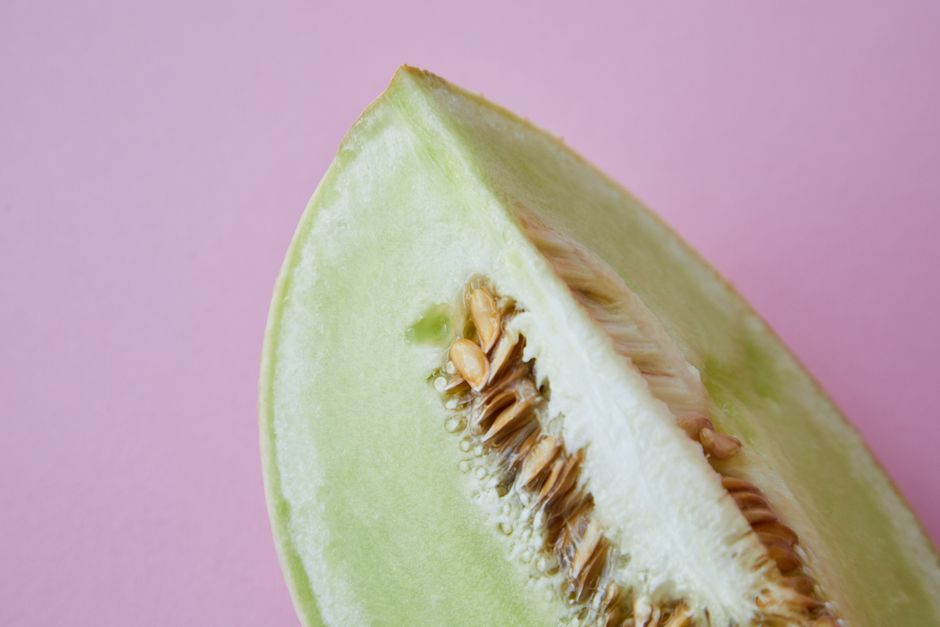
Most people assume sweet fruit is bad for weight loss, but cantaloupe is actually one of the smartest choices you can make. No, cantaloupe is not fattening for weight loss when eaten in reasonable portions — a one-cup serving has only 54 calories, less than 1 gram of fat, and over 90% water content, making it a low-calorie, hydrating food that supports weight management rather than hinders it. This article gives you the real numbers, explains how portion size changes the equation, and shows why the sugar in whole fruit is not the same as added sugar for your body.
Key Points at a Glance
| Point | What It Means | Why It Matters |
|---|---|---|
| Calorie density | 1 cup of cantaloupe has about 54 calories | You can eat a full cup for fewer calories than a single cookie |
| Water content | Over 90% water by weight | Helps you feel full without adding calories |
| Natural sugar vs. added sugar | 13 grams of natural sugar per cup | Whole fruit sugar comes with fiber and water, unlike soda sugar |
| Fiber content | About 1.4 grams per cup | Low compared to berries, but still helps with fullness |
| Glycemic index | GI around 65, which is moderate | Won’t spike blood sugar as badly as white bread or candy |
How Many Calories Are in Cantaloupe?
A standard one-cup serving of cubed cantaloupe contains roughly 54 calories. That is extremely low for a food that feels satisfying and tastes sweet. For comparison, the same volume of cooked pasta has over 200 calories, and a medium banana has about 105 calories.
I always weigh my cantaloupe portions when I am being strict about my calorie target. A whole medium cantaloupe can have 180 to 200 calories if you eat the entire thing. That is still reasonable for one sitting, but it is four times the serving size most people assume they are eating.
Is Cantaloupe Fattening for Weight Loss Because of Sugar?
This is the biggest concern people have. Cantaloupe has about 13 grams of sugar per cup. That sounds like a lot until you realize a 12-ounce can of cola has 39 grams of sugar with zero nutritional benefit. The sugar in cantaloupe comes packaged with water, fiber, vitamin C, and potassium.
Your body processes the sugar from whole fruit differently than it processes added sugar. The fiber and water slow down digestion and blunt the blood sugar response. A study in the journal Nutrition found that people who ate whole fruit had lower insulin spikes than people who drank fruit juice with the same amount of sugar.
How Cantaloupe Fits Into a Weight Loss Diet
Cantaloupe works best as a replacement for higher-calorie sweets. If you normally eat a granola bar or a handful of trail mix for a snack, swapping in a cup of cantaloupe saves you 100 to 200 calories. Over a week, that adds up to real weight loss progress without feeling deprived.
One thing I notice in my own kitchen is that cantaloupe pairs well with protein. I eat it with a few ounces of cottage cheese or a hard-boiled egg. The protein keeps my blood sugar stable and keeps me full for hours longer than fruit alone would.
Common Mistakes People Make With Cantaloupe
The biggest mistake is eating an entire cantaloupe in one sitting. A whole fruit can be 180 to 200 calories. That is still not a disaster, but it is four times the standard serving size. If you are tracking calories, this difference matters.
Another mistake is buying pre-cut cantaloupe that has been sitting in juice. The fruit releases liquid over time, and that liquid contains sugar. Drain the juice before eating, or cut your own fruit fresh. You will save calories without even trying.
The Role of Your Total Daily Energy Expenditure
No single food determines whether you lose weight. What matters is your total calorie intake versus your total daily energy expenditure, or TDEE. Cantaloupe is a low-calorie food, but if you eat it on top of an already full diet, you can still gain weight.
Use the TDEE Calculator to find your personal maintenance calories. Then subtract 300 to 500 calories from that number to create a safe deficit. Cantaloupe fits easily into that deficit because it gives you volume and sweetness for very few calories.
Related Articles
Frequently Asked Questions
Can I eat cantaloupe every day while losing weight?
Yes, one cup per day is perfectly fine for weight loss. Stick to that portion and you get the vitamins without the extra calories.
Does cantaloupe cause belly fat?
No food specifically causes belly fat. Cantaloupe is low in calories and high in water, which makes it unlikely to contribute to fat gain in any area.
Is cantaloupe better for weight loss than watermelon?
Both are excellent choices. Cantaloupe has slightly more calories per cup but also more vitamin A and vitamin C than watermelon.
Should I avoid cantaloupe if I have diabetes?
You do not need to avoid it. Keep your portion to half a cup and pair it with protein or fat to slow sugar absorption.
How much cantaloupe is too much for weight loss?
More than two cups in one sitting starts to add up. One cup is ideal for keeping calories low while still enjoying the fruit.
Does the sugar in cantaloupe count toward daily sugar limits?
Whole fruit sugar counts differently than added sugar. The American Heart Association limits added sugar, not the natural sugar found in whole fruit.

The TDEECAL Team writes about nutrition, metabolism, and fat loss the way we built our calculator, with real numbers and no hype. We dig into the research so you don’t have to guess.