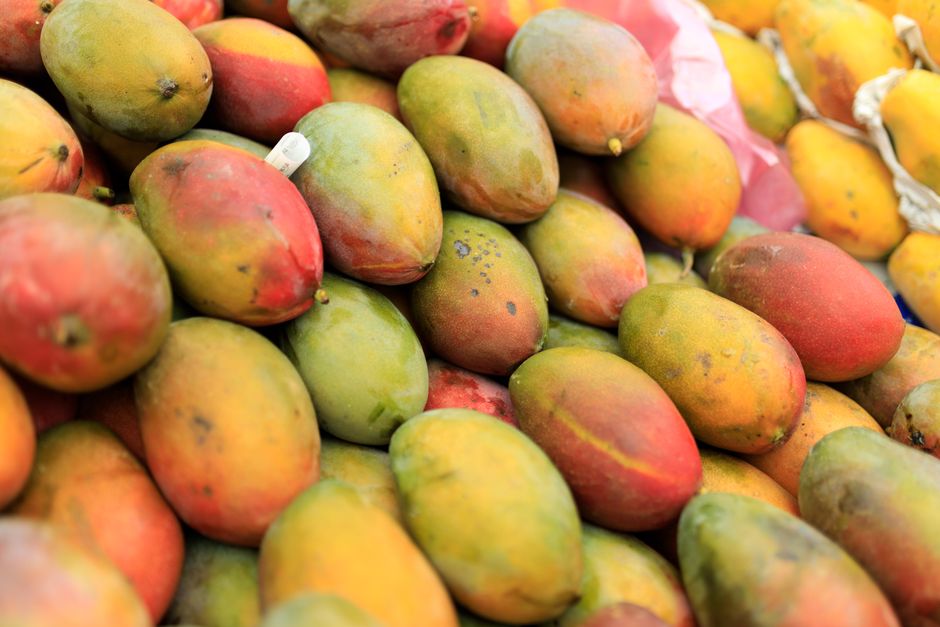
Many women I talk to assume they need to cut out sweet fruit like mangoes to lose weight. The short answer is that mangoes can absolutely fit into a weight loss plan, and the question “are mangoes good for weight loss” deserves a closer look than a simple yes or no. They offer fiber, water content, and a real sweetness that can replace processed sugar cravings. This article explains how mangoes affect your body during weight loss, what portion sizes actually work, and where the common myths come from.
Key Points at a Glance
| Point | What It Means | Why It Matters |
|---|---|---|
| Calorie density | One cup of mango has about 100 calories | Easy to fit into a standard 1,500–1,800 calorie daily goal |
| Fiber content | About 3 grams per cup | Helps you feel full longer and slows blood sugar spikes |
| Natural sugar | Mangoes contain fructose, not added sugar | Comes with vitamins and fiber that soda lacks |
| Portion control risk | Easy to eat two or three servings without noticing | Calories add up fast if you eat the whole fruit mindlessly |
| Satiety benefit | Pairing mango with protein or fat improves fullness | Prevents blood sugar crashes that trigger more hunger later |
What the Science Says About Mangoes and Weight
Research on mangoes and weight loss is still early, but the existing studies are worth knowing. One small clinical trial found that people who ate 100 grams of mango daily saw modest improvements in body weight and waist circumference compared to a control group. Another study suggested that mango skin contains compounds that may help reduce fat cell formation — but that was in a lab dish, not in humans.
I always add a pinch of salt and a squeeze of lime to my mango when I eat it as a snack. It cuts the sweetness and makes me slow down and enjoy each bite instead of wolfing it down.
The real takeaway is this: mangoes are not a magic fat-burning food, but they are also not something you need to fear. The evidence does not support cutting out whole fruits for weight loss. In fact, people who eat more whole fruit tend to weigh less over time than those who avoid it.
Are Mangoes Good for Weight Loss When You Watch Portions?
Yes, but only if you treat them as a measured portion rather than an unlimited snack. One serving of mango is about one cup of diced fruit, which is roughly 100 calories and 25 grams of carbohydrates. That is similar to a small apple or a medium banana.
The problem most women run into is eating an entire large mango in one sitting. A whole mango can easily be two or three servings, adding 200 to 300 calories before you realize it. That is fine occasionally, but if you do it daily on top of your regular meals, it can slow down weight loss.
Try pre-chopping a mango and putting half in the fridge before you start eating. This simple habit stops mindless overeating better than any willpower trick.
How Mangoes Compare to Other Fruits for Weight Loss
Mangoes sit in the middle of the fruit spectrum when it comes to sugar and calories. Berries and melons have fewer calories per cup, while bananas and grapes are closer to mangoes. Dried mango is a completely different story — it is much higher in sugar and calories by weight and very easy to overeat.
Frozen mango chunks are a smart option for portion control. They take longer to eat because they are cold and firm, which naturally slows you down. I keep a bag in my freezer and toss a handful into plain Greek yogurt for breakfast. The tart yogurt balances the sweetness, and the protein keeps me full until lunch.
Practical Tips for Adding Mango to a Weight Loss Diet
Pair mango with a protein source to blunt the blood sugar response and improve satiety. Good combinations include mango with cottage cheese, plain yogurt, grilled chicken in a salsa, or a small handful of almonds. This turns a simple fruit snack into a balanced mini-meal that keeps hunger away for hours.
Use mango as a replacement for sugary desserts or sweetened beverages. A bowl of chilled mango chunks with a sprinkle of chili powder can satisfy a sweet craving without the added sugar and preservatives found in most packaged snacks. This swap alone can save you 150 to 300 calories a day.
Pay attention to how your body responds. Some people notice that eating fruit triggers more cravings later, while others feel satisfied and eat less overall. There is no universal rule. If mango makes you want more sugar, eat it with fat or protein as described above. If it satisfies you, enjoy it freely within your portion.
Related Articles
Frequently Asked Questions
Are mangoes good for weight loss if I have diabetes?
Yes, but you need to keep portions small and pair them with protein or fat. One half-cup serving with nuts or cheese is usually fine for most people with well-managed diabetes.
How many mangoes can I eat a day while losing weight?
One cup of diced mango per day is a reasonable serving for most women on a weight loss diet. Eating more than two cups regularly may make it harder to stay in a calorie deficit.
Is mango better than banana for weight loss?
Mango and banana are very similar in calories and sugar per serving, so neither is clearly better. The best choice is whichever fruit you enjoy enough to eat without adding sugar or syrup.
Does mango cause belly fat?
No single food causes belly fat on its own. Belly fat comes from an overall calorie surplus over time, not from eating mangoes specifically.
Should I eat mango before or after a workout for weight loss?
Either timing works, but eating mango before a workout gives you quick energy from natural sugars. After a workout, pair it with protein to support muscle recovery and fullness.
Can I eat dried mango on a weight loss diet?
Dried mango is much higher in sugar and calories per ounce than fresh mango, and it is very easy to overeat. Stick to fresh or frozen mango for better portion control.
If you want to track how mango fits into your daily calorie needs, the TDEE Calculator can give you a personalized target based on your age, height, weight, and activity level. Knowing your numbers makes it much easier to enjoy foods like mango without second-guessing yourself.

The TDEECAL Team writes about nutrition, metabolism, and fat loss the way we built our calculator, with real numbers and no hype. We dig into the research so you don’t have to guess.