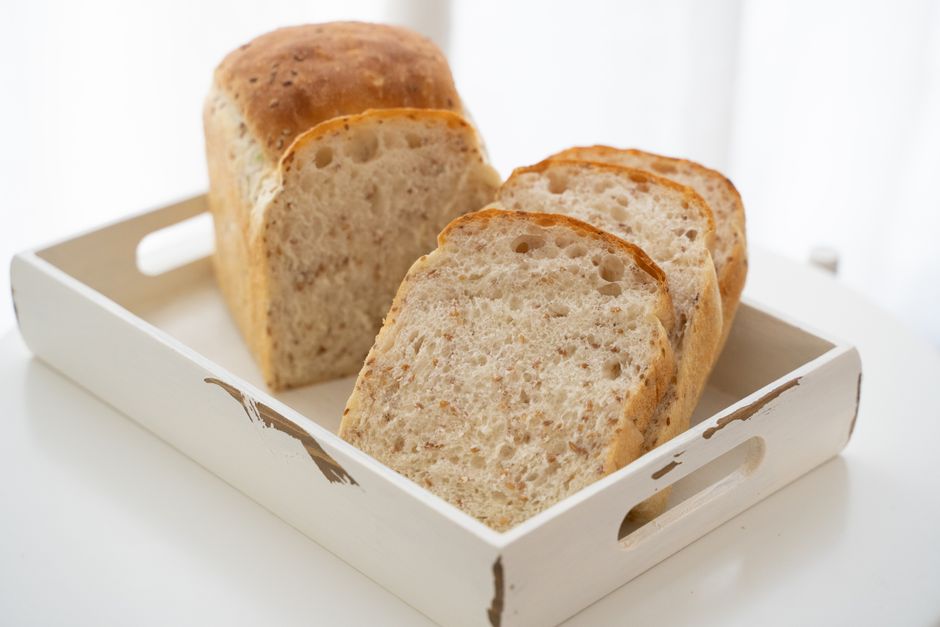
Bread often gets a bad reputation when weight loss is the goal, but the real question isn’t whether bread is “good” or “bad” — it’s whether a specific amount fits your overall plan.
For most people actively trying to lose weight, is 2 slices of bread a reasonable choice? The short answer is yes, for the majority of women, two slices of standard whole-grain bread contain roughly 140–220 calories and can absolutely fit into a calorie-controlled diet without sabotaging progress. The bigger concern isn’t the bread itself — it’s what you put on it and what else you eat that day.
This article covers what the evidence actually says about bread and weight loss, how to choose the right loaf, and why portion size matters more than you might think. We’ll skip the food-shaming and focus on what works for real life.
Key Points at a Glance
| Point | What It Means | Why It Matters |
|---|---|---|
| Calorie range for 2 slices | 140–220 calories for standard whole-grain bread | This is a manageable portion for most weight loss plans |
| Fiber content | 3–6 grams of fiber for whole-grain options | Fiber helps with fullness and steady blood sugar |
| Refined vs. whole grain | White bread has less fiber and fewer nutrients | Choosing whole grain can support weight loss better |
| Toppings matter most | Butter, jam, or processed meats add hidden calories | Smart toppings turn bread into a balanced meal |
Can Two Slices of Bread Help You Lose Weight?
The idea that bread is automatically fattening comes from low-carb diet culture, not solid evidence. A 2022 review of studies found that whole grains — including bread — are associated with lower body weight and less belly fat over time. The key is the type of bread and the overall diet pattern.
Two slices of whole-grain bread can be part of a weight loss plan because they provide complex carbohydrates for energy and fiber for satiety. I always check the label for at least 3 grams of fiber per slice — anything less and it’s not doing much for fullness.
Practical tip: If you’re eating two slices at lunch, pair them with protein like turkey or eggs and a vegetable. That combination keeps blood sugar stable and cravings lower for hours.
How Many Calories Are in Two Slices of Bread?
Calorie counts vary widely by brand and type. A standard slice of commercially baked whole-wheat bread ranges from 70 to 110 calories. That means two slices land between 140 and 220 calories — a reasonable amount for a meal or snack.
For comparison, a typical sandwich with two slices of whole-grain bread, 3 ounces of turkey, lettuce, tomato, and mustard comes in around 300–350 calories. That’s a filling lunch that leaves room for other meals. The problem starts when bread is paired with high-calorie spreads or eaten on top of an already calorie-dense day.
Is 2 Slices of Bread Good for Weight Loss — What the Research Says
Several large observational studies show that people who eat whole grains regularly have lower body mass indexes and less weight gain over time. The fiber in whole-grain bread slows digestion and helps regulate appetite hormones. This effect is real but modest — bread alone won’t cause or prevent weight loss.
One specific concern is that some people overeat bread without realizing it. Two slices is a reasonable portion, but a study from the University of Minnesota found that many participants underestimated their bread intake by 30% or more. Measuring your serving — at least at first — can prevent accidental overeating.
What Type of Bread Is Best for Weight Loss?
Not all bread is equal. The best choice for weight loss is 100% whole grain or whole wheat bread with at least 3 grams of fiber and under 2 grams of sugar per slice. Look for “whole wheat flour” or “whole grain flour” as the first ingredient — not “enriched wheat flour” which is just refined flour with vitamins added back.
Sourdough is another solid option. The fermentation process lowers the glycemic response slightly, which means blood sugar rises more slowly after eating. I keep a loaf of whole-grain sourdough in the freezer and toast a slice when I want something satisfying without the crash.
Common Mistakes People Make With Bread and Weight Loss
The biggest mistake is treating bread as the enemy. Cutting out entire food groups often leads to cravings, bingeing, and eventually quitting the diet altogether. A more sustainable approach is to include bread in reasonable portions while focusing on overall calorie and nutrient balance.
Another common error is ignoring what goes on the bread. A slice of whole-grain toast with avocado and a poached egg is a balanced meal. The same toast with butter and jam is mostly sugar and fat with minimal protein. The bread itself is rarely the problem — the company it keeps is.
Related Articles
Frequently Asked Questions
Will two slices of bread stop weight loss?
No, not if your overall calorie intake is controlled. Two slices of whole-grain bread contain roughly 140–220 calories, which is a reasonable portion for most weight loss plans.
How many calories are in two slices of white bread?
Two slices of standard white bread contain about 140–160 calories, but with only 1 gram of fiber total. You get fewer nutrients and less fullness compared to whole-grain options.
Is bread bad for belly fat specifically?
No food directly targets belly fat. Excess calories from any source — including bread — can contribute to overall fat gain, but whole grains are linked to less abdominal fat in research.
Can I eat bread every day and still lose weight?
Yes, many people successfully lose weight while eating bread daily. The key is choosing whole-grain varieties and keeping portions to 1–2 slices per meal.
What is the healthiest bread for weight loss?
100% whole grain or whole wheat bread with at least 3 grams of fiber per slice is the best choice. Sourdough and sprouted grain breads are also good options.
Should I avoid bread after 6 PM for weight loss?
There is no strong evidence that eating bread at night causes weight gain. Total daily calories matter far more than the timing of carbohydrate intake.
If you are tracking calories and want to see how two slices of bread fit into your daily needs, try our TDEE Calculator to get a personalized estimate.

The TDEECAL Team writes about nutrition, metabolism, and fat loss the way we built our calculator, with real numbers and no hype. We dig into the research so you don’t have to guess.