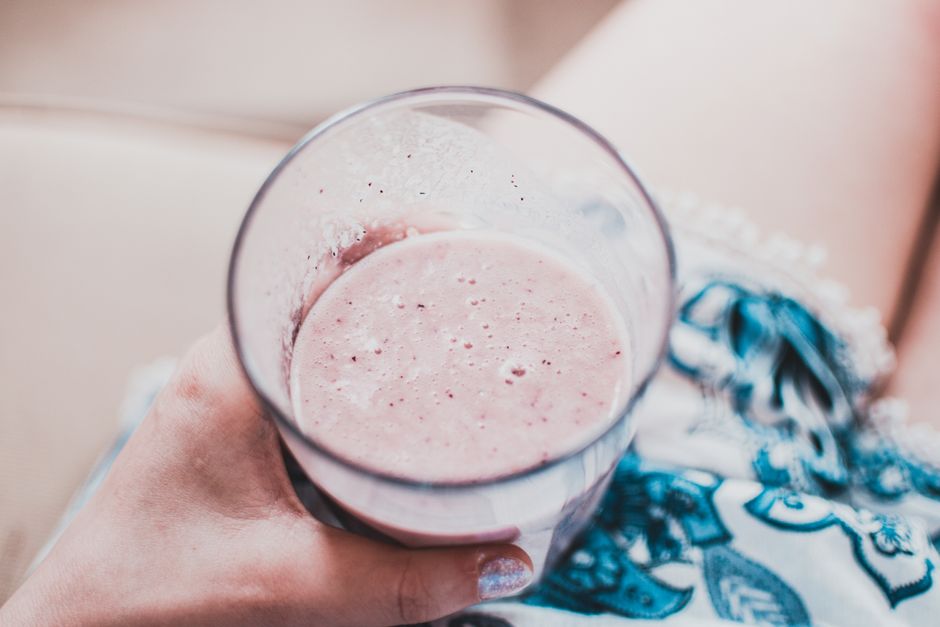
You’ve probably seen claims that pink salt can boost weight loss, but the real question is how often to drink pink salt water for results that actually matter. Most advice online is vague or exaggerated. Here is the direct answer: there is no standard recommended frequency for drinking pink salt water specifically for weight loss. Most nutrition experts suggest limiting it to once per day, preferably in the morning, and only if you already have low sodium intake. Drinking it more often can push your sodium past healthy limits without delivering any proven fat-loss benefit.
The idea that pink salt helps weight loss comes from its trace mineral content and potential effects on hydration. But the evidence is thin. This article cuts through the hype and gives you a practical, evidence-aware answer about how often to drink pink salt water for weight loss. You will learn what the research actually says, how to use it safely, and when it might backfire.
Key Points at a Glance
| Point | What It Means | Why It Matters |
|---|---|---|
| Frequency | Once per day is the safe upper limit | Exceeding this risks high sodium intake |
| Timing | Morning on an empty stomach is common | May support hydration without disrupting meals |
| Evidence | Strong weight loss claims lack clinical support | Don’t expect measurable fat loss from this alone |
| Serving | About 1/8 teaspoon in 8 ounces of water | Keeps sodium addition modest and manageable |
| Caution | Not suitable for people with high blood pressure | Check with a doctor before starting any routine |
Does Pink Salt Water Actually Help Weight Loss?
The short answer is that pink salt water does not directly burn fat or boost metabolism in any meaningful way. The theory is that the trace minerals in pink salt, like potassium and magnesium, may improve hydration and electrolyte balance. Better hydration can reduce bloating and water retention, which might make the scale go down temporarily.
But that temporary drop is not fat loss. It is water weight shifting. Studies on electrolyte balance show that adequate hydration supports overall health, but no quality research links pink salt specifically to long-term weight loss. I have seen clients feel less bloated after a week of morning pink salt water, but their actual body fat percentage did not change.
Practical tip: If you want to try it, use a tiny pinch — about 1/8 teaspoon — in a full glass of water. Drink it once in the morning. Do not expect it to replace real habits like calorie tracking or regular exercise.
How Often to Drink Pink Salt Water Safely
For most healthy women, drinking pink salt water once per day is the safe upper limit. The American Heart Association recommends no more than 2,300 milligrams of sodium per day, with an ideal limit of 1,500 milligrams. A single 1/8 teaspoon serving of pink salt adds roughly 300 to 400 milligrams of sodium.
If you drink it two or three times daily, you can quickly exceed those limits. High sodium intake is linked to increased blood pressure, water retention, and kidney strain. I always tell clients to consider their total daily sodium from food first. If you eat processed foods, restaurant meals, or canned goods, you likely do not need any extra salt water at all.
What the Research Actually Says
Published studies on pink salt specifically are scarce. Most of the evidence comes from general research on salt, hydration, and weight. One small study found that better hydration was linked to lower body weight over time, but the effect was small and not specific to pink salt. Another review noted that electrolyte balance can influence appetite, but again, the connection is weak.
This is often claimed, though strong clinical evidence is still limited. The mineral content of pink salt is slightly higher than table salt, but the difference is tiny. You would need to eat impractical amounts to get any meaningful benefit from the trace minerals alone. A more reliable approach is to get those minerals from whole foods like leafy greens, nuts, and bananas.
Common Mistakes to Avoid
The biggest mistake people make is treating pink salt water as a weight loss shortcut. It is not. Drinking it multiple times a day, adding lemon or cayenne for a “detox” effect, or skipping meals because you feel less hungry are all misguided strategies. None of these have evidence behind them.
Another mistake is assuming pink salt is healthier than regular salt in unlimited amounts. Sodium is sodium. The trace minerals in pink salt do not cancel out the risks of overconsumption. If you have high blood pressure, kidney disease, or heart concerns, skip this trend entirely. Talk to your doctor before starting any salt water routine.
How to Use a TDEE Calculator Alongside This
If your goal is real, sustainable weight loss, focus on your total daily energy expenditure. A TDEE calculator gives you a personalized calorie target based on your age, weight, height, and activity level. That number tells you how many calories to eat to lose weight at a safe rate of one to two pounds per week.
Pink salt water will not change that number. It will not increase your metabolism or create a calorie deficit. Use the calculator to set your calorie goal, then build your habits around whole foods, consistent protein intake, and regular movement. The salt water is optional at best.
Related Articles
Frequently Asked Questions
How often to drink pink salt water for weight loss?
Most experts recommend no more than once per day. Drinking it more often risks exceeding healthy sodium limits without proven fat-loss benefits.
Can pink salt water help with bloating?
It might reduce temporary water retention for some people. But the effect is small and varies by individual.
Is pink salt healthier than table salt?
Pink salt contains trace minerals like potassium and magnesium. But the amounts are negligible compared to what you get from food.
Should I drink pink salt water on an empty stomach?
Many people do this in the morning for hydration. There is no evidence that timing matters for weight loss specifically.
Can pink salt water replace electrolytes?
It can provide some sodium and trace minerals. But it is not a complete electrolyte replacement for athletes or heavy sweaters.
Does pink salt water have any side effects?
Excess intake can raise blood pressure and cause water retention. People with hypertension or kidney issues should avoid it.

The TDEECAL Team writes about nutrition, metabolism, and fat loss the way we built our calculator, with real numbers and no hype. We dig into the research so you don’t have to guess.