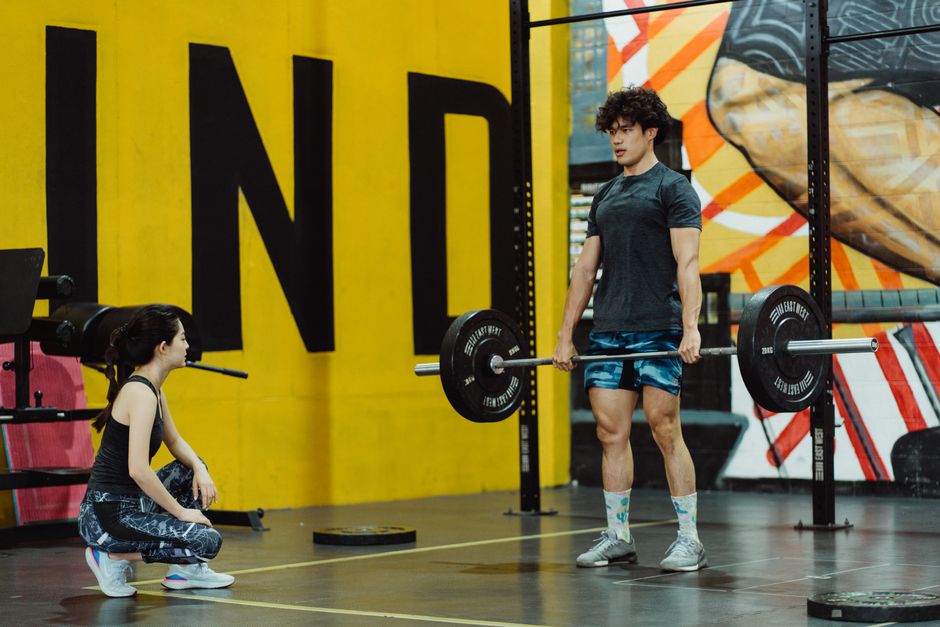
Most women trying to lose weight head straight for the treadmill. But deadlifts — a compound strength exercise — may be one of the most efficient ways to support weight loss. The short answer to whether is deadlifts good for weight loss is yes: deadlifts build lean muscle tissue, which raises your resting metabolism, and they burn a meaningful number of calories during and after your workout. However, no single exercise guarantees results. Weight loss still depends on a consistent calorie deficit and overall lifestyle habits.
Many weight‑loss strategies overlook strength training entirely. That is a missed opportunity. Deadlifts engage your posterior chain — glutes, hamstrings, back — and demand more energy than isolation exercises. This article covers what the evidence actually says about deadlifts for weight loss, how many calories you can expect to burn, how they compare to cardio, and how to start safely. You will not find hype or promises here, only honest, evidence‑aware information.
Key Points at a Glance
| Point | What It Means | Why It Matters |
|---|---|---|
| Calorie burn during a session | Roughly 150–200 calories per 30 minutes for a 155‑pound person | Adds to your daily energy deficit without requiring hours of cardio |
| Muscle building effect | Deadlifts stimulate multiple large muscle groups at once | More muscle tissue increases your resting metabolic rate over time |
| Afterburn (EPOC) | Your body continues burning extra calories for hours post‑workout | Helps extend the calorie deficit beyond the gym session |
| Hormonal response | Lifting heavy raises growth hormone and testosterone temporarily | Supports fat metabolism and muscle retention during weight loss |
| Safety with proper form | Injuries are rare when technique is learned and progressed slowly | Lets you train consistently, which is what drives results |
How Does Deadlifting Contribute to Weight Loss?
Weight loss happens when you burn more calories than you consume. Deadlifts help on both sides of that equation. During a set, your heart rate rises, and your body uses stored energy to move the weight. One study in the Journal of Strength and Conditioning Research found that deadlifts produced a higher metabolic response than leg press or back extension — meaning they demand more energy in a short time.
The bigger advantage comes after the workout. Heavy resistance training creates micro‑tears in muscle fibers. Your body repairs them over the next 24 to 48 hours, and that repair process burns extra calories. This is called excess post‑exercise oxygen consumption (EPOC). I have noticed that on days I deadlift, I feel warmer and hungrier for the rest of the day — a sign my metabolism is working harder.
Building muscle also raises your basal metabolic rate over weeks and months. Each pound of lean muscle burns more calories at rest than a pound of fat. Women naturally have less muscle mass than men, so adding even a few pounds through deadlifts can meaningfully shift your daily energy balance. But do not expect dramatic changes overnight; muscle gains are slow and require consistency along with adequate protein intake.
Practical tip: Use our TDEE Calculator to find your maintenance calories. Aim to eat 300–500 calories below that while deadlifting two to three times per week. That combination produces steady fat loss without starving yourself.
Is Deadlifts Good for Weight Loss Compared to Cardio?
Both deadlifts and cardio can help you lose weight, but they work differently. A 30‑minute jog burns about 200–250 calories for a 155‑pound woman. A 30‑minute deadlift session burns roughly 150–200 calories — slightly less during the workout itself. However, deadlifts continue burning calories for hours after you stop, while jogging’s afterburn effect is much smaller.
More importantly, deadlifts help you keep muscle while losing fat. Cardio alone often leads to muscle loss, which lowers your metabolism. Preserving muscle with strength training makes it easier to maintain your weight loss long term. That is why most research supports combining both types of exercise for the best body composition changes.
I personally find that deadlifts improve my mood and sleep more than steady‑state cardio does. That may not matter for weight loss directly, but feeling good makes it easier to stick with a routine. If you genuinely hate cardio, deadlifts can serve as a primary calorie‑burning exercise — just be aware that you may need to work a little harder to create a deficit through diet alone.
How to Incorporate Deadlifts Safely for Weight Loss
Safety matters more than intensity when you are starting. Deadlifts require proper hip hinge mechanics and a neutral spine. A few sessions with a qualified coach can prevent months of rehab. If that is not possible, practice with a lightweight or even a broomstick until the motion feels natural.
Start with two sessions per week, three sets of eight to twelve reps. Choose a weight that makes the last two reps challenging but not impossible. Increase the load by 5 to 10 pounds only when you can complete all reps with good form. Women often worry about getting “bulky” from deadlifts, but that is rare without specific high‑calorie eating and years of heavy lifting. Instead, you will likely develop leaner, firmer muscle that improves your shape.
Recovery is also part of the plan. Deadlifts tax your central nervous system, so avoid doing them on consecutive days. Alternate with lighter cardio or upper‑body work. Pay attention to persistent lower‑back soreness — that is a sign your form may be off or you need more rest. A tip I follow: always warm up with glute bridges and cat‑cow stretches before touching the bar. It makes a noticeable difference in how my low back feels the next day.
Safety note: If you have a history of back injury or hernia, talk to your doctor before starting deadlifts. The exercise is safe for most people, but pre‑existing conditions may require modifications or alternative lifts.
Related Articles
Frequently Asked Questions
How many calories does deadlifting burn per session?
A 155‑pound woman burns roughly 150–200 calories during 30 minutes of moderate‑intensity deadlifting. The exact number depends on your body weight, the load used, and rest periods between sets.
Can deadlifting replace cardio for weight loss?
You can lose weight with deadlifts alone if you maintain a calorie deficit, but most research suggests combining both produces better results. Deadlifts preserve muscle and boost metabolism, while cardio improves cardiovascular health and burns more calories in the moment.
How often should I deadlift for weight loss?
Two to three non‑consecutive days per week is sufficient to build muscle and support weight loss. More than that increases injury risk without proportional benefits.
Will deadlifts make women bulky?
No, not without specific high‑calorie eating and very heavy training over years. Women have lower testosterone levels than men, so they typically gain lean muscle that improves shape without adding bulk.
What weight should a beginner use for deadlifts?
Start with an empty barbell (45 pounds) or a pair of dumbbells totaling 30–40 pounds. Focus on perfect form before adding weight. If you cannot complete eight reps with good form, the weight is too heavy.

The TDEECAL Team writes about nutrition, metabolism, and fat loss the way we built our calculator, with real numbers and no hype. We dig into the research so you don’t have to guess.