Most people assume any cup of matcha will help them lose weight. But the way you prepare it can double — or completely cancel — its potential effects.
To prepare matcha for weight loss, whisk 1 teaspoon of high-quality matcha powder with 2 ounces of hot water (175°F, never boiling) until frothy. Drink it plain, without sugar, honey, or dairy, to keep the drink under 5 calories and preserve the catechins that research links to a modest metabolic boost.
Many articles skip the details that actually matter — water temperature, whisking technique, and what not to add. This guide focuses on the preparation choices that the evidence says make a difference, without promising results that the science doesn’t support.
Key Points at a Glance
| Point | What It Means | Why It Matters |
|---|---|---|
| Water temperature matters | Use water around 175°F — just below boiling. | Boiling water destroys catechins, the compounds linked to metabolism. |
| No added sugar or milk | Drink matcha straight. | Calories and fat from milk can offset the modest calorie burn matcha provides. |
| Whisk until frothy | Use a bamboo whisk or electric frother. | Proper whisking prevents clumps and helps you drink the whole powder, not leave it in the cup. |
| Quality matters | Choose ceremonial-grade, bright green powder. | Lower grades may contain stems and less EGCG, the active catechin. |
| Timing may help | Drink matcha 30–60 minutes before exercise. | Caffeine and catechins may slightly increase fat oxidation during activity. |
How to Prepare Matcha for Weight Loss the Right Way
Start with good powder. Ceremonial-grade matcha from Japan is ideal because it contains the whole leaf ground to a fine powder. Culinary-grade blends are acceptable but often have a bitter taste that tempts you to add sugar.
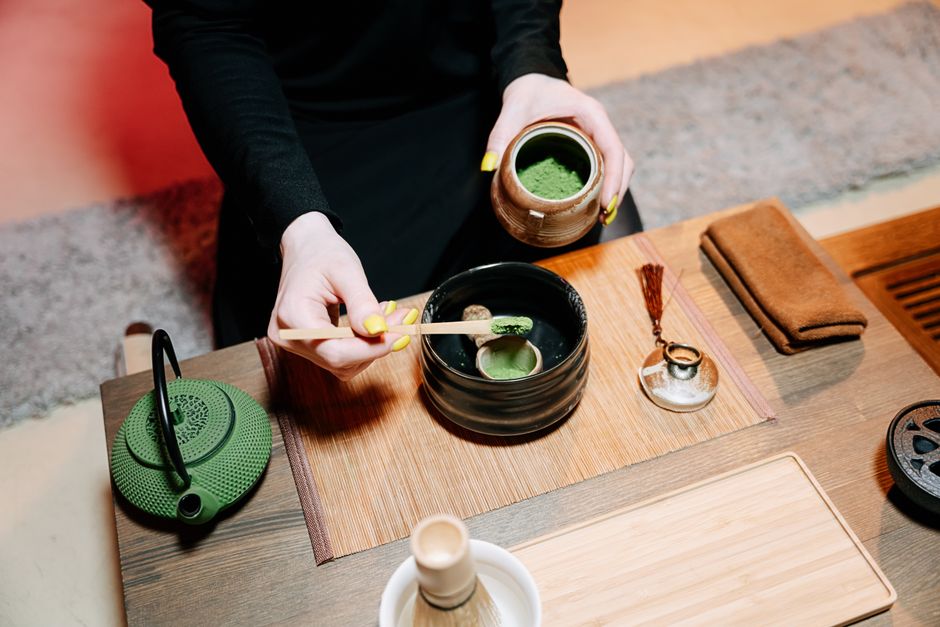
Heat water to about 175°F — that is roughly 30 seconds off a full boil. Pour 2 ounces over 1 teaspoon of matcha in a bowl. Whisk quickly in a zigzag motion for 15 to 20 seconds until the powder is fully dissolved and a light foam appears. Drink immediately. Letting it sit causes the powder to settle.
Does Matcha Actually Help You Lose Weight?
The evidence is modest. Some studies suggest that the catechins in matcha, especially EGCG, can increase resting energy expenditure by about 4% over 24 hours. That translates to roughly 80 to 100 extra calories burned per day under ideal conditions — not enough to cause weight loss on its own, but possibly helpful as part of a calorie deficit.
A review in the American Journal of Clinical Nutrition found that green tea catechins combined with caffeine had a small positive effect on weight maintenance and fat loss. However, the effect was inconsistent across studies, and most participants also reduced calories or exercised. Matcha is not a shortcut. Use our TDEE calculator to find your calorie needs rather than relying on any single food.
What to Add (and Avoid) to Your Matcha
Adding sugar, honey, maple syrup, or flavored creamers immediately cancels any calorie advantage. One teaspoon of sugar has 16 calories — that may not sound like much, but it can completely offset the small calorie burn matcha provides. Unsweetened almond milk or oat milk adds only 30 to 40 calories, but the fat and protein may still interfere with catechin absorption.
Some research indicates that adding a small amount of lemon juice or vitamin C can help stabilize catechins in the stomach. A squeeze of fresh lemon is fine. Avoid cream, whipped toppings, or any sweetened syrups. If you must have milk, use a tiny splash of unsweetened soy or almond milk and shake well.
Best Time to Drink Matcha for Weight Loss
Drinking matcha 30 to 60 minutes before a workout may support fat oxidation during exercise. The caffeine and catechins together can help the body use fat for fuel rather than stored carbs, based on some exercise studies. This effect is small but consistent.
Avoid drinking matcha late in the day if you are sensitive to caffeine. One serving contains roughly 30 to 70 milligrams of caffeine — similar to half a cup of coffee. For most people, morning or early afternoon is ideal. Drinking it on an empty stomach is safe for most, but can cause jitters if you are not used to caffeine.
Common Mistakes When Preparing Matcha
Using boiling water is the most common error. Water above 195°F can degrade the catechins and make the drink bitter, leading you to mask the taste with sugar. Always let boiling water sit for a minute before pouring.
Another mistake is not whisking enough. Lumps of powder will not dissolve in your stomach, so you lose the full dose of catechins. Use a bamboo whisk or a small electric frother. Also, skip the sieve — sifting is unnecessary if you whisk properly. Finally, storing matcha in bright light or open air strips its color and potency. Keep it in the fridge in an airtight container.
Related Articles
Frequently Asked Questions
Can I add milk to matcha for weight loss?
Milk adds calories and fat that reduce the small calorie-burning benefit. Some research suggests milk proteins may also bind to catechins, lowering absorption.
How much matcha should I drink per day?
Most studies use 1 to 2 teaspoons per day, but no official daily limit exists. Listen to your body — too much caffeine can cause anxiety or disrupt sleep.
Is matcha better than green tea for weight loss?
Matcha provides more catechins per cup because you consume the whole leaf. Green tea steeps leaves and discards them, so catechin content is lower.
Does matcha suppress appetite?
Some people report feeling fuller after matcha, possibly from the L-theanine and caffeine combination. However, no strong evidence shows it reduces overall calorie intake.
Can I drink matcha on an empty stomach?
Yes, for most people it is fine. If you are sensitive to caffeine, start with a smaller amount or have a light snack first to avoid jitters.
How long does it take for matcha to work for weight loss?
Matcha is not a fast-acting weight loss tool. Any effect builds over weeks or months as part of a consistent calorie deficit and exercise routine.

The TDEECAL Team writes about nutrition, metabolism, and fat loss the way we built our calculator, with real numbers and no hype. We dig into the research so you don’t have to guess.