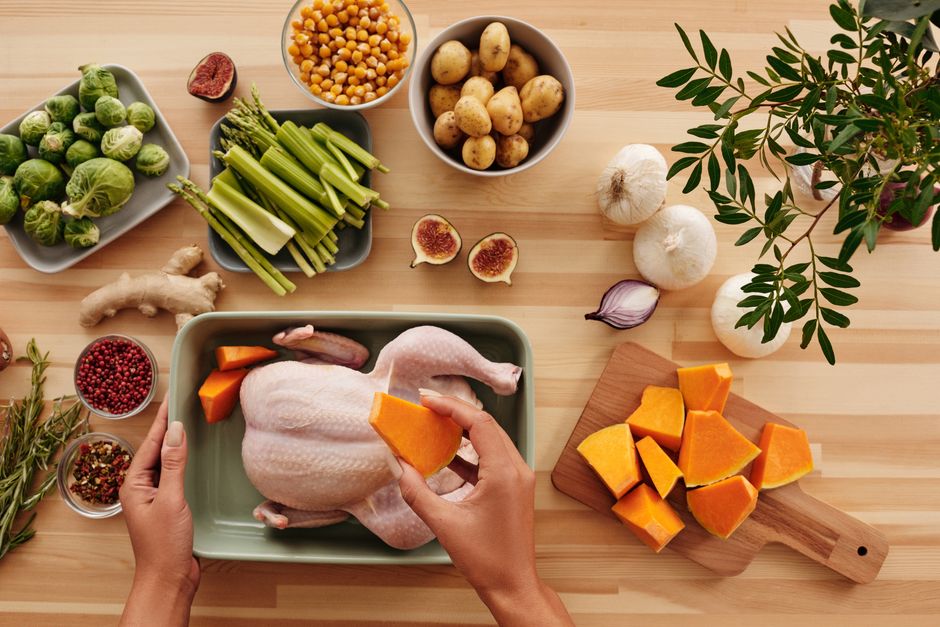
How Protein Helps You Lose Weight
Most women over 35 don’t need a fancy supplement. They need more protein at breakfast and after workouts. That single change makes a bigger difference than any powder on the shelf.
When you’re trying to lose weight, the question of what protein should i take comes up constantly. The honest answer is that whole food protein sources like chicken, eggs, fish, and Greek yogurt work best for most people. Protein powders are convenient backups, not replacements for real food.
Protein does three things that matter for weight loss. It keeps you full longer than carbs or fats. It preserves muscle while you’re in a calorie deficit. And it takes more energy for your body to digest, which slightly increases your daily burn.
This article covers the best protein choices for weight loss, how much you actually need, and when protein supplements make sense. You’ll get practical guidance you can use today, not generic advice.
Key Points at a Glance
| Point | What It Means | Why It Matters |
|---|---|---|
| Whole foods first | Chicken, eggs, fish, and dairy beat powders for most meals | More nutrients, better fullness, fewer additives |
| Protein target | Aim for roughly 0.7 grams per pound of body weight daily | Preserves muscle and controls hunger during weight loss |
| Timing matters | Spread protein across 3-4 meals, not one big dinner | Steadier appetite control throughout the day |
| Powders have a place | Use them post-workout or when you’re short on time | Convenience without derailing your calorie goals |
| Check your total calories | Protein still has calories — about 4 per gram | Extra protein can stall weight loss if it pushes you over your target |
What Protein Should I Take for Weight Loss?
Start with whole food sources before reaching for supplements. Lean chicken breast, turkey, eggs, salmon, Greek yogurt, cottage cheese, and lentils all deliver high-quality protein with useful nutrients like iron, B vitamins, and calcium. These foods also require chewing, which triggers fullness signals that shakes simply don’t.
If you’re choosing a powder, look for one with minimal ingredients. Whey protein is well-studied and digests quickly, which makes it useful after workouts. Plant-based options like pea protein work fine too, especially if you avoid dairy. Skip products with long ingredient lists or added sugars.
I always check the protein-to-calorie ratio on labels. A good powder delivers at least 20 grams of protein for around 120 calories. Anything with more sugar than protein goes back on the shelf.
How Much Protein Do You Actually Need?
Research consistently shows that higher protein intakes support weight loss better than standard amounts. A common target is 0.7 grams per pound of body weight. For a 170-pound woman, that’s about 120 grams daily. This preserves lean mass while you cut calories.
Spreading that protein across meals works better than eating it all at dinner. A 30-gram breakfast, 30-gram lunch, and 30-gram dinner with snacks gets you there without feeling overwhelming. If you’re over 50, some studies suggest slightly higher intakes help counter age-related muscle loss.
Remember that protein has calories. A 120-gram daily target adds up to roughly 480 calories before you account for anything else. Use a TDEE calculator to set your total calorie target first, then fit protein within that number.
Whey vs. Plant Protein: Which Is Better?
Whey protein has the strongest evidence base for muscle preservation and recovery. It’s a complete protein containing all essential amino acids, and it digests quickly. Studies show it works well for weight loss when combined with resistance training.
Plant proteins like pea, rice, and soy can work just as well for most people. The key is choosing a complete protein or combining sources. Pea protein is particularly good because it has a solid amino acid profile and digests easily for most people.
The evidence on which is “better” is mixed. Some research suggests whey has a slight edge for muscle building. But the best choice is the one you’ll actually use consistently. If dairy bothers your stomach, plant protein is the clear winner for you.
When Should You Take Protein for Weight Loss?
Timing matters less than total daily intake, but some patterns help. A protein-rich breakfast keeps hunger in check for hours. Research shows women who eat 25-30 grams of protein in the morning consume fewer calories later in the day.
Post-workout protein within two hours helps muscle recovery and repair. This matters more if you’re strength training, which is important during weight loss to preserve muscle. A shake works well here because it’s fast and convenient.
Evening protein before bed may help overnight muscle repair, though evidence is limited. A serving of cottage cheese or Greek yogurt works well. Don’t stress about perfect timing — consistent daily intake matters far more than when you eat it.
I keep hard-boiled eggs and single-serve Greek yogurt in the fridge. When hunger hits, they’re ready without any thought. That’s the real secret — having protein available when you need it.
Common Protein Mistakes That Stall Weight Loss
The biggest mistake is assuming all protein is equal. A protein bar with 20 grams of protein and 25 grams of sugar is a candy bar with extra marketing. Check labels carefully and count total calories, not just protein grams.
Another error is relying too heavily on shakes and bars. These processed options often lack fiber and other nutrients found in whole foods. They also don’t teach you sustainable eating habits. Use them as tools, not daily staples.
Some women overeat protein because they assume it’s calorie-free. It’s not. Extra protein beyond your needs gets stored as fat just like any excess calories. Track your intake honestly for a few weeks to see where you actually land.
Frequently Asked Questions
Related Articles
Is whey or plant protein better for weight loss?
Both work well when total calories are controlled. Whey has slightly stronger evidence for muscle preservation, but plant proteins are excellent alternatives.
Can I lose weight without protein powder?
Absolutely. Whole food proteins like chicken, eggs, fish, and Greek yogurt provide everything you need. Powders are convenience tools, not requirements.
How soon after a workout should I take protein?
Within two hours is ideal for muscle recovery. A shake or meal with 20-30 grams of protein works well for most women.
Will extra protein make me gain weight?
Only if it pushes you above your total calorie target. Protein has about 4 calories per gram, so it counts toward your daily intake.
What protein is best for women over 50?
Higher protein intakes help counter age-related muscle loss. Greek yogurt, eggs, fish, and lean meats all work well, and some women prefer easier-to-digest options like pea protein.
How much protein should I eat at breakfast?
Aim for 25-30 grams to control hunger through the morning. Three eggs with cheese, Greek yogurt with nuts, or a protein smoothie all hit this range.

The TDEECAL Team writes about nutrition, metabolism, and fat loss the way we built our calculator, with real numbers and no hype. We dig into the research so you don’t have to guess.