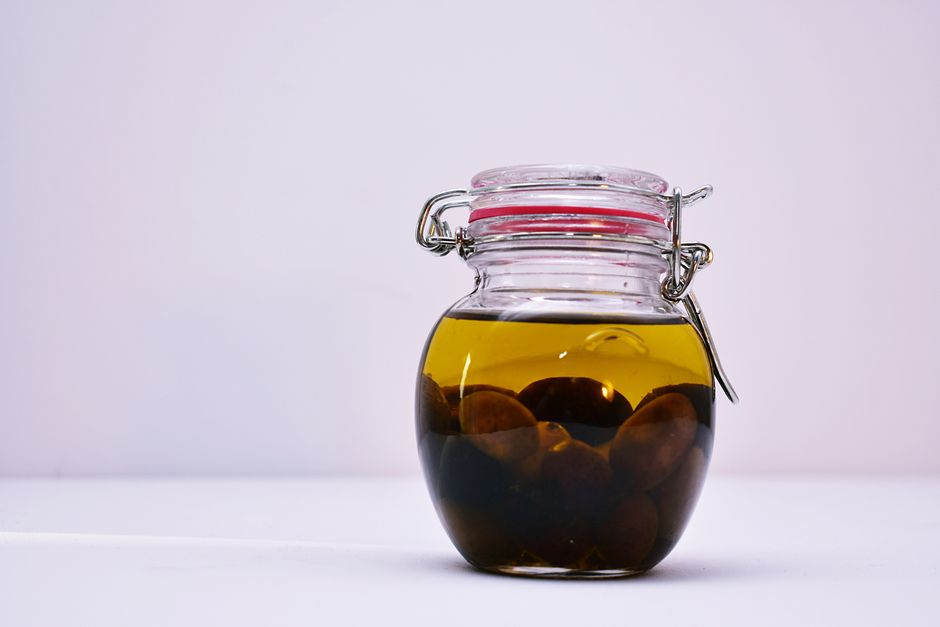
Most people assume all fats are the enemy when they’re trying to lose weight, but olive oil sits in a different category entirely. The short answer is yes — olive oil is healthy for weight loss when used in place of other fats and within a sensible calorie budget. It does not burn fat on its own, but its monounsaturated fats help with fullness and consistent energy, which makes sticking to a lower-calorie eating pattern easier.
Here’s what most articles miss: the way you use olive oil matters more than the oil itself. A drizzle over roasted vegetables supports your goals, while heavy frying or pouring it directly over food can add hundreds of calories before you notice. This guide breaks down what the evidence actually says, how many calories you’re really dealing with, and how to make olive oil work for weight loss instead of against it.
Key Points at a Glance
| Point | What It Means | Why It Matters |
|---|---|---|
| Calorie density | About 120 calories per tablespoon | Portion control determines whether olive oil helps or hurts your deficit |
| Fat type | High in monounsaturated fats | These fats support fullness and steady energy between meals |
| Replacement effect | Best used instead of butter or processed oils | Swapping fats matters more than adding olive oil on top of what you already eat |
| Evidence base | Mediterranean-style eating patterns show weight benefits | Olive oil is one part of a larger pattern, not a standalone solution |
| Practical rule | One to two tablespoons per day is a reasonable range | Staying within this range keeps calories in check while preserving the benefits |
Is Olive Oil Healthy for Weight Loss or Just Another Fat?
Research consistently shows that replacing saturated fats with monounsaturated fats like those in olive oil supports better weight outcomes over time. A study in the Mediterranean diet literature found that participants who consumed olive oil as part of a calorie-controlled eating pattern lost more weight than those on a low-fat diet. The key detail is that olive oil replaced other fats — it was not added on top of the usual diet.
The mechanism comes down to satiety. Monounsaturated fats slow digestion and keep blood sugar steadier, which reduces the urge to snack an hour after a meal. I always tell people to measure the pour for the first few weeks because the calories add up fast — one casual glug can easily be three tablespoons without anyone noticing.
How Many Calories Are in Olive Oil and Does That Matter?
One tablespoon of olive oil contains roughly 120 calories and 14 grams of fat, according to USDA data. That number matters because weight loss still comes down to calories in versus calories out, regardless of how healthy the fat source is. A salad with three tablespoons of olive oil dressing can easily reach 360 calories before you add anything else.
But those calories are not wasted. The fat helps your body absorb fat-soluble vitamins like A, D, E, and K from the vegetables you eat. I find that roasting vegetables with one tablespoon of olive oil makes them satisfying enough that I skip the bread or crackers I would otherwise add alongside.
Which Type of Olive Oil Is Best for Weight Loss?
Extra virgin olive oil is the best choice because it undergoes less processing and retains more of the natural plant compounds called polyphenols. Some research suggests these compounds may influence appetite-regulating hormones, though the evidence is still developing. The practical difference between extra virgin and regular olive oil is small for weight loss, but the antioxidant content makes extra virgin the better daily choice.
Heat stability matters too. Extra virgin olive oil has a higher smoke point than many people assume, so it is fine for sautéing at moderate temperatures. For high-heat searing, a small amount of a neutral oil like avocado oil works better, then finish with olive oil for flavor and health benefits.
How Much Olive Oil Should You Eat Daily for Weight Loss?
No official guideline exists specifically for olive oil and weight loss, but Mediterranean diet studies commonly use four tablespoons per day as part of a calorie-controlled plan. That amount works within a 1,500 to 1,800 calorie daily target for most women, but it depends on your total intake. If you are eating 1,200 calories, four tablespoons would take up nearly half your budget, which is not realistic.
A more practical target is one to two tablespoons per day. That gives you the health benefits without crowding out protein, vegetables, and whole grains. The women I work with who succeed with olive oil use it deliberately — a tablespoon for cooking dinner and a teaspoon for salad dressing — rather than drizzling it freely throughout the day.
Does Olive Oil Help Reduce Belly Fat Specifically?
Some studies suggest that monounsaturated fats may help prevent the accumulation of abdominal fat compared to saturated fats, but the evidence is not strong enough to promise spot reduction. No food targets belly fat directly, and olive oil is no exception. The honest answer is that olive oil supports overall weight loss, and overall weight loss reduces belly fat over time.
What the research does show is that Mediterranean-style eating patterns are associated with lower waist circumference in observational studies. That pattern includes olive oil, but also includes more vegetables, legumes, fish, and less processed food. Olive oil is likely one piece of that puzzle, not the whole answer.
Frequently Asked Questions
Related Articles
Is olive oil healthy for weight loss if you eat it every day?
Yes, within one to two tablespoons per day as part of a calorie-controlled diet. This amount provides health benefits without derailing your calorie deficit.
Should you count olive oil calories when trying to lose weight?
Yes, you should count them because they add up quickly. One tablespoon is roughly 120 calories, and most people use more than one tablespoon without measuring.
Is extra virgin olive oil better than regular olive oil for weight loss?
Extra virgin is better for overall health due to higher polyphenol content. The weight loss difference is minimal, but the antioxidant benefits make it the stronger choice.
Can olive oil replace butter for weight loss?
Yes, swapping olive oil for butter reduces saturated fat intake and may support better cholesterol levels. Keep the same portion size to maintain your calorie target.
Does cooking with olive oil destroy its weight loss benefits?
Some polyphenols are lost with high heat, but the monounsaturated fat content remains stable. Moderate heat sautéing preserves most of the benefits.
How do you know your calorie target for weight loss?
Use a TDEE calculator to estimate your maintenance calories, then subtract 300 to 500 calories for weight loss. This gives you a starting point that you can adjust based on your results.
Olive oil is healthy for weight loss when you treat it as a measured ingredient rather than a free pour. The evidence supports replacing less healthy fats with olive oil, keeping portions around one to two tablespoons daily, and building it into an overall pattern of whole foods. That approach gives you the benefits without the calorie overload.

The TDEECAL Team writes about nutrition, metabolism, and fat loss the way we built our calculator, with real numbers and no hype. We dig into the research so you don’t have to guess.