Most green teas on the shelf make the same weight loss promise, yet they vary wildly in what’s actually inside the bag. The difference between a useful cup and a useless one often comes down to one simple label check.
For weight loss, what green tea should I buy depends on choosing a pure leaf tea with no added sugars, sweeteners, or flavorings. Plain green tea leaves contain catechins and a modest amount of caffeine, which some research suggests may slightly boost metabolism and fat burning. Any tea that lists sugar, honey, or artificial sweeteners in its ingredients will work against your calorie goals.
This matters because the tea aisle is crowded with products that look healthy but aren’t. Bottled green teas often contain as much sugar as soda. Flavored blends can hide syrups and additives that add calories you didn’t plan for.
This guide cuts through the marketing to explain exactly what to look for, what to avoid, and how to brew a cup that actually supports your weight loss efforts. You’ll learn how to read labels like a nutritionist and make a choice you can stick with every day.
Key Points at a Glance
| Point | What It Means | Why It Matters |
|---|---|---|
| Read the ingredient list | Only green tea leaves should appear | Added sugars and syrups add calories |
| Skip bottled teas | Most contain 20-40 grams of sugar per bottle | That undoes any potential metabolism benefit |
| Choose loose leaf or plain bags | No flavorings or sweeteners | You control exactly what goes into your cup |
| Check the caffeine | Regular green tea has about 25-35 mg per cup | Caffeine plays a role in the metabolic effect |
| Brew it yourself | Steep at 160-180°F for 2-3 minutes | Proper brewing preserves the beneficial compounds |
What Makes Green Tea Helpful for Weight Loss?
Green tea contains catechins, particularly one called EGCG, along with caffeine. Some studies suggest this combination may slightly increase energy expenditure and fat oxidation, meaning your body burns a few extra calories after drinking it.
The effect is modest. Research published in the American Journal of Clinical Nutrition found that green tea extract could increase calorie burning by about 3-4% over 24 hours. That translates to roughly 60-80 extra calories a day, which alone won’t cause dramatic weight loss but can support a calorie deficit.
What Green Tea Should I Choose for Weight Loss?
Your best bet is a plain, unflavored green tea in either loose leaf or bag form. Look for varieties like sencha, matcha, or jasmine green tea, as long as the only ingredient listed is tea leaves.
Matcha deserves special mention because you consume the entire leaf in powdered form. This means you get a higher concentration of catechins compared to steeped tea, though it also contains more caffeine. Some research suggests matcha may have a slightly stronger effect on fat oxidation during exercise.
Which Green Teas Should You Avoid?
Stay away from any product labeled as a “weight loss tea” or “detox tea.” These often contain laxatives, diuretics, or other herbs that cause water loss rather than fat loss. The weight you lose comes back as soon as you stop drinking them.
Bottled green teas are another trap. A typical 16-ounce bottle of sweetened green tea contains 30-45 grams of sugar, which adds 120-180 calories. Even “lightly sweetened” versions usually have 10-15 grams per serving, enough to cancel out any benefit.
Flavored green teas can be fine if they use natural flavors without calories. But many commercial blends add sugar or artificial sweeteners that trigger cravings and add calories. Always check the nutrition label, not just the front of the package.
How Should You Brew Green Tea for Maximum Benefit?
Water temperature matters more than most people realize. Boiling water makes green tea bitter and destroys some of the delicate catechins. Aim for water around 160-180°F, which is just below boiling.
Steep for 2-3 minutes for bagged tea and 3-4 minutes for loose leaf. Longer steeping increases bitterness without adding significant benefits. Drink it hot or cold, but skip the sugar and honey.
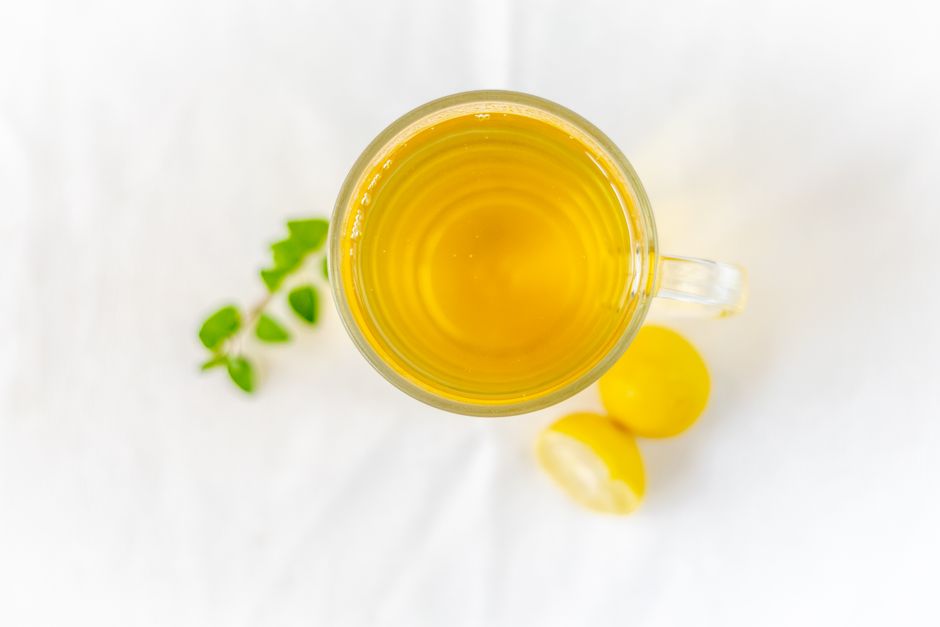
Lemon can help. Some research suggests vitamin C may help stabilize catechins in the digestive tract, potentially increasing absorption. A squeeze of fresh lemon adds flavor without calories.
How Much Green Tea Should You Drink?
Most studies showing benefits used 3-5 cups per day, providing roughly 250-500 mg of catechins. That’s a reasonable target if you enjoy the taste and don’t have caffeine sensitivity.
Drinking more than that doesn’t appear to provide additional weight loss benefits. Excessive green tea consumption can cause digestive upset, insomnia, or jitteriness from the caffeine. Listen to your body and adjust based on how you feel.
If you’re sensitive to caffeine, consider decaffeinated green tea. It contains fewer catechins than regular, but still offers some benefit. You can also choose a lower-caffeine option like hojicha, which is roasted and naturally lower in caffeine.
Frequently Asked Questions
Related Articles
Does green tea actually help you lose weight?
Some research suggests green tea may slightly increase calorie burning, but the effect is modest. It works best as a complement to a calorie-controlled diet, not as a standalone solution.
Is matcha better than regular green tea for weight loss?
Matcha contains more catechins because you consume the whole leaf, but it also has more caffeine. The difference in weight loss effect is small and likely not significant in practice.
Can I drink green tea at night for weight loss?
You can, but the caffeine may disrupt your sleep, which can hurt weight loss efforts. Choose decaffeinated green tea if you want a cup in the evening.
How long does it take to see results from green tea?
Most studies lasted 8-12 weeks before showing measurable changes. Any weight loss from green tea alone will be slow, so pair it with diet and exercise for realistic results.
Are green tea supplements as effective as drinking tea?
Supplements contain concentrated extracts, but they lack the full range of compounds found in brewed tea. Some research suggests whole tea is more effective, and supplements carry a small risk of liver toxicity at high doses.
Does adding milk to green tea reduce its benefits?
Some research suggests milk proteins may bind to catechins and reduce their absorption. If you want maximum benefit, drink your green tea plain or with a squeeze of lemon.
Use the TDEE Calculator to figure out your daily calorie needs, then fit green tea into that plan. It’s a simple tool that helps you see how small changes like swapping a sugary drink for green tea affect your weekly calorie balance.
Choosing the right green tea comes down to reading labels and skipping anything with added sugar. A plain cup of brewed green tea, 3-5 times a day, can support your weight loss efforts without adding calories or complicating your routine.

The TDEECAL Team writes about nutrition, metabolism, and fat loss the way we built our calculator, with real numbers and no hype. We dig into the research so you don’t have to guess.