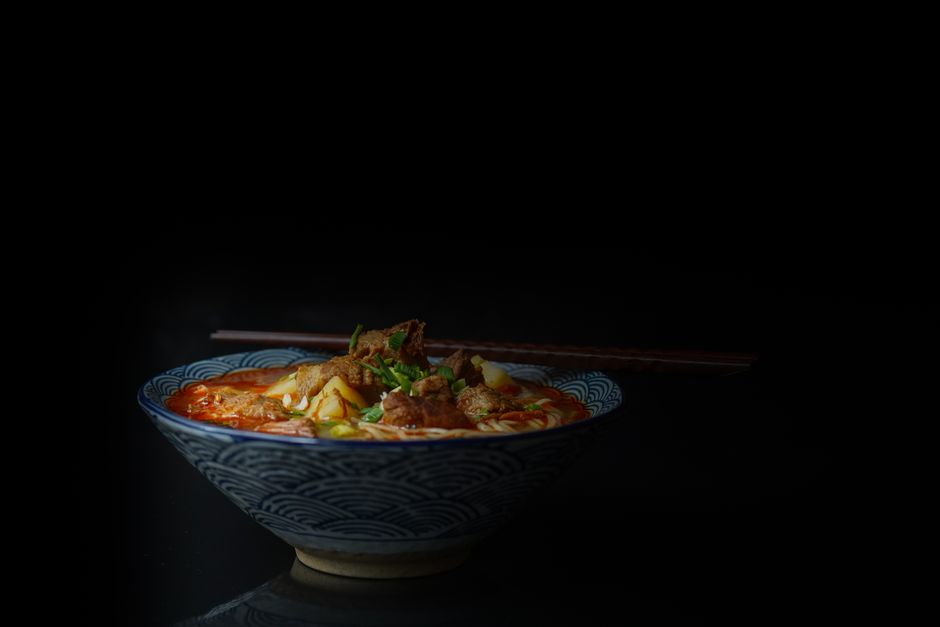
You’ve probably seen the claims online: spicy noodles rev up your metabolism, burn fat, and make weight loss easier. The reality is more complicated, and it depends heavily on which noodles you choose and how you eat them.
Are spicy noodles good for weight loss? The honest answer is that they can be, but only if you choose the right kind. Plain rice or wheat noodles with a spicy sauce can fit into a weight loss plan, but heavily processed instant ramen or fried noodle dishes often work against your goals because of their high calorie and sodium content.
Most people assume the heat from chili peppers does the heavy lifting. Capsaicin, the compound that makes peppers hot, does have some effect on metabolism, but the research shows the impact is small. The bigger factor is the total calories in the bowl, not the spice level.
This article breaks down what the evidence actually says about spicy noodles and weight loss. You’ll learn how to order or prepare them so they support your goals instead of sabotaging them.
Key Points at a Glance
| Point | What It Means | Why It Matters |
|---|---|---|
| Spice alone won’t burn fat | Capsaicin’s metabolic boost is tiny | Don’t rely on heat for weight loss |
| Noodle type matters most | Whole grain and shirataki are lower calorie | Swapping noodles changes the meal completely |
| Sauce is the hidden calorie source | Oil and sugar add up fast | Control portions of sauce, not just noodles |
| Protein and vegetables help | They increase fullness and balance the meal | You’ll eat less overall later |
Do Spicy Noodles Actually Boost Your Metabolism?
Some research suggests capsaicin can temporarily increase energy expenditure. Studies have found the effect is real but modest, typically burning an extra 50 to 100 calories per day at most with regular consumption. That’s roughly the equivalent of a small apple.
Your body also adapts to regular capsaicin intake, which means the effect can diminish over time. The metabolic boost from spice is not enough to create meaningful weight loss on its own. Weight loss still comes down to eating fewer calories than you burn.
How Many Calories Are in Spicy Noodles?
The calorie range is wide. A bowl of plain rice noodles with chili oil can land around 400 to 500 calories, while a restaurant portion of spicy pad thai or dan dan noodles can reach 800 to 1,000 calories or more. The difference comes almost entirely from the sauce and added toppings.
Instant ramen with the seasoning packet is a different story. One serving typically contains 380 to 450 calories, but the sodium often exceeds 1,500 milligrams. That’s more than half the daily recommended limit for most adults. The high sodium causes water retention, which can make the scale move up even when you’re eating at a deficit.
I always check the nutrition label on noodle packages before buying. The difference between brands is larger than most people expect, and some “healthy” options are surprisingly high in calories.
Are Spicy Noodles Good for Weight Loss If You Choose the Right Kind?
Yes, certain types of spicy noodles can fit into a weight loss plan. Shirataki noodles are the standout option, containing roughly 10 to 20 calories per serving because they’re made from konjac root fiber. They absorb the flavor of whatever sauce you use, making them a practical swap.
Whole grain or buckwheat soba noodles are another reasonable choice. A two-ounce serving of dry soba has around 200 calories and provides more fiber than white rice noodles. The fiber slows digestion and helps you feel full longer.
If you’re ordering at a restaurant, ask for the sauce on the side. That single request can cut 200 to 300 calories from your meal because you control how much goes on. I do this every time I order takeout noodles, and it makes a noticeable difference in how the meal fits my daily calorie budget.
What Should You Add to Make Spicy Noodles More Satisfying?
Protein is the most important addition. Chicken, shrimp, tofu, or a soft-boiled egg add satiety without dramatically increasing calories. A bowl with 20 to 30 grams of protein will keep you full for hours, while a plain noodle bowl often leaves you hungry within an hour.
Vegetables serve a double purpose. They add volume so the bowl feels larger, and they provide fiber that slows digestion. Bok choy, broccoli, mushrooms, and bell peppers all work well with spicy sauces.
Watch the oil. Many spicy noodle recipes call for chili oil, which adds about 120 calories per tablespoon. Using chili flakes or fresh chilies instead of oil gives you the same heat with almost no calories. That small swap changes the entire calorie profile of the dish.
What About Spicy Noodles and Cravings?
Some people find that spicy food reduces cravings for sweet or salty snacks later in the day. The evidence here is mixed. Some studies suggest capsaicin may help with appetite control, while others show no meaningful difference.
What seems clearer is that a satisfying meal, whether spicy or not, reduces the urge to snack. If a spicy noodle bowl keeps you from ordering takeout two hours later, it’s helping your weight loss indirectly. If it leaves you craving more food, it’s not working for you personally.
Pay attention to how your body responds. There’s no universal answer, and your experience is the most relevant data point.
How to Build a Weight-Loss-Friendly Spicy Noodle Bowl
Start with a lower-calorie noodle base like shirataki or soba. Add a palm-sized portion of lean protein. Fill half the bowl with vegetables. Use a moderate amount of sauce, and add heat through chili flakes or fresh peppers instead of oil.
A bowl built this way typically comes in around 350 to 450 calories. That’s a reasonable meal for most women aiming for weight loss, especially if you’re using a TDEE calculator to set your daily target. The meal is filling, flavorful, and doesn’t require you to give up foods you enjoy.
One thing I’ve learned from years of cooking: the quality of the broth or sauce matters more than the quantity. A deeply flavorful sauce means you need less of it to feel satisfied. That’s the real trick.
Related Articles
Frequently Asked Questions
Are spicy noodles good for weight loss compared to plain noodles?
They can be, but the spice itself isn’t the reason. The calorie difference comes from the sauce, portion size, and what you add to the bowl.
Do spicy noodles burn belly fat?
No strong clinical evidence supports spot reduction of fat from spicy foods. Capsaicin may slightly increase metabolism, but the effect is too small to cause measurable fat loss.
How many calories should a spicy noodle meal have for weight loss?
For most women, a meal between 350 and 500 calories works well. Your exact target depends on your total daily calorie needs, which you can calculate with a TDEE calculator.
Are instant spicy ramen noodles good for weight loss?
Generally no, because they’re high in sodium and refined carbohydrates with little protein or fiber. They also tend to leave you hungry soon after eating.
Can I eat spicy noodles every day and still lose weight?
Yes, if the meals fit within your daily calorie target and include protein and vegetables. Consistency matters more than occasional perfection.
What’s the best noodle type for weight loss?
Shirataki noodles have the fewest calories at roughly 10 to 20 per serving. Whole grain soba and brown rice noodles are also solid options with more fiber.
Spicy noodles don’t have to be off-limits during weight loss. The key is choosing the right base, controlling the sauce, and adding protein and vegetables. Use the TDEE Calculator to set your daily target, then build your bowl to fit it.
Calculate your daily calorie needs here to make your noodle meals work for your goals.

The TDEECAL Team writes about nutrition, metabolism, and fat loss the way we built our calculator, with real numbers and no hype. We dig into the research so you don’t have to guess.