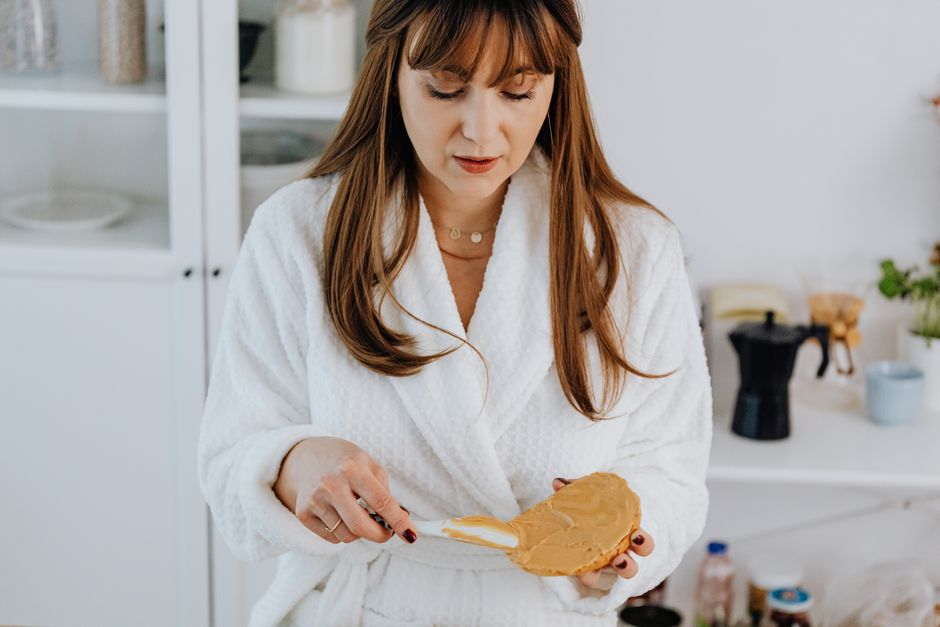
How to Eat Peanut Butter for Weight Loss
Most people assume peanut butter is off-limits when trying to lose weight. That assumption is costing them one of the most satisfying foods in the kitchen.
The best way to eat peanut butter for weight loss is to treat it as a measured flavor ingredient, not a free-for-all snack. Stick to one serving (about 2 tablespoons) paired with high-fiber foods like apples, celery, or whole-grain toast. This approach keeps calories in check while the protein and fat keep you full for hours.
Weight loss comes down to a calorie deficit, plain and simple. Peanut butter is calorie-dense, which scares many people away. But research consistently shows that nuts and nut butters are linked to better weight management, not worse, when eaten in sensible portions.
The real problem is portion distortion. Most people scoop out three or four servings without thinking. This article covers how to use peanut butter strategically, how to pick the right jar, and how to handle cravings without derailing your progress.
Key Points at a Glance
| Point | What It Means | Why It Matters |
|---|---|---|
| Portion control | One serving is 2 tablespoons, about 190 calories | Prevents accidental overeating that stalls weight loss |
| Pair with fiber | Apples, celery, or whole grains slow digestion | Keeps you full longer and reduces total daily intake |
| Choose natural | Look for peanuts and salt only on the label | Avoids added sugar and palm oil found in commercial brands |
| Protein and fat | About 7g protein and 16g fat per serving | Stabilizes blood sugar and cuts cravings between meals |
Is Peanut Butter Actually Good for Weight Loss?
Yes, but only within a calorie deficit. Peanut butter is roughly 190 calories per 2-tablespoon serving, and those calories add up fast if you are not measuring. The fat content is mostly monounsaturated, the same type found in olive oil, which supports heart health.
Some studies suggest that people who eat nuts regularly have lower body weight over time. A 2019 analysis in Current Obesity Reports found that nut consumption was not linked to weight gain despite the calorie density. The likely reason is satiety — peanut butter keeps you satisfied, so you eat less later in the day.
I always keep a food scale on the counter. Scooping with a spoon is wildly inaccurate, and that single habit changed how I portion everything.
How to Eat Peanut Butter for Weight Loss Without Overdoing It
The single most important habit is measuring every serving. Use a measuring spoon or a kitchen scale until you can eyeball 2 tablespoons accurately. This is not about being obsessive — it is about being honest with yourself about what you are actually eating.
Pair peanut butter with foods that add volume without many calories. Apple slices, celery sticks, or a sliced banana work well. The fiber and water in these foods stretch your stomach and trigger fullness signals that peanut butter alone cannot provide.
Practical tip: Pre-portion your peanut butter into small containers at the start of the week. When hunger hits, grab one container and stop. No measuring needed in the moment.
Spread it thin on whole-grain toast or rice cakes rather than eating it straight from the jar. Thinner layers force you to slow down and actually taste the peanut butter instead of mindlessly consuming spoonful after spoonful.
What Kind of Peanut Butter Should You Buy?
Read the ingredient list before you buy. The ideal peanut butter has one ingredient: peanuts. Some brands add salt, which is fine. Avoid anything with added sugar, hydrogenated oils, or palm oil, which add calories without any nutritional benefit.
Natural peanut butter separates in the jar, with oil pooling on top. That is a good sign — it means no stabilizers were added. Stir it well when you first open it and store it in the fridge to keep it from separating again.
Powdered peanut butter is another option. It has about 45 calories per 2-tablespoon serving after mixing with water, compared to 190 for regular. The trade-off is less fat, which means less satiety. Some people use it in smoothies or oatmeal to get peanut flavor with fewer calories.
When Is the Best Time to Eat Peanut Butter?
There is no magic time that boosts weight loss. What matters is fitting it into your daily calorie budget. That said, many people find peanut butter most useful as a mid-afternoon snack because the protein and fat bridge the gap between lunch and dinner.
Eating it before a workout can also work well. The fat digests slowly, providing steady energy. Just allow 30 to 60 minutes for digestion before exercising to avoid stomach discomfort.
Avoid eating peanut butter late at night if you tend to snack mindlessly while watching TV. The combination of distraction and calorie-dense food is a recipe for eating three servings without noticing. If you do eat it at night, measure it first and put the jar away before you sit down.
Can Peanut Butter Help You Lose Belly Fat?
No food targets belly fat specifically. Spot reduction is a myth — your body decides where it loses fat based on genetics and hormones. What peanut butter can do is help you stick to your overall calorie deficit, which is what actually reduces belly fat over time.
The protein in peanut butter also supports muscle preservation during weight loss. Keeping muscle keeps your metabolism higher, which makes maintaining your results easier. Most women in their 40s and 50s benefit from prioritizing protein for this reason.
If you are using a TDEE calculator to set your calorie target, peanut butter can be a useful tool. Its high calorie density means a small portion goes a long way toward meeting your protein and fat goals without eating a massive volume of food.
Frequently Asked Questions
Related Articles
How much peanut butter can I eat per day for weight loss?
One serving, which is 2 tablespoons or about 190 calories, is a reasonable daily amount for most women. If you are very active, you may be able to fit in two servings within your calorie budget.
Is peanut butter better than almond butter for weight loss?
They are nutritionally similar, with both providing roughly the same calories and protein per serving. Peanut butter is usually cheaper and has a stronger flavor, so you may feel satisfied with less.
Should I eat peanut butter in the morning or at night?
Either time works as long as you stay within your calorie target. Morning consumption may help with appetite control throughout the day, but there is no strong evidence that timing makes a meaningful difference.
Does peanut butter cause weight gain?
Peanut butter causes weight gain only when you eat more calories than your body burns. In controlled portions, research suggests nut consumption is actually linked to better weight maintenance.
Is powdered peanut butter better for weight loss?
Powdered peanut butter has fewer calories per serving, roughly 45 compared to 190. However, it is less satisfying due to the reduced fat content, so some people end up eating more overall.
Can I eat peanut butter every day while dieting?
Yes, daily peanut butter consumption is fine for weight loss when portions are measured. The key is consistency with your overall calorie intake, not eliminating specific foods.

The TDEECAL Team writes about nutrition, metabolism, and fat loss the way we built our calculator, with real numbers and no hype. We dig into the research so you don’t have to guess.