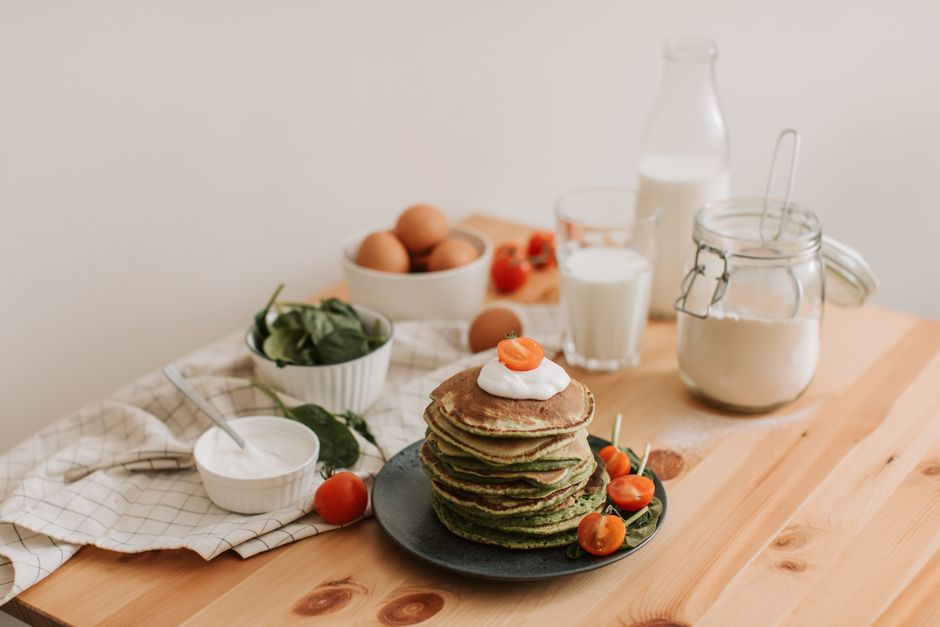
Are Pancakes Healthy for Weight Loss? The Real Answer
Most people assume pancakes are off-limits during weight loss. The truth is more complicated than that. The average stack at a diner can easily hit 800 to 1,000 calories before syrup, but a homemade version can fit into a weight loss plan without derailing your progress. The difference comes down to ingredients, portion size, and what you put on top.
So are pancakes healthy for weight loss? The direct answer is yes, but only when you control the recipe and the portions. A standard pancake made from refined white flour offers little protein or fiber, which means it digests quickly and leaves you hungry soon after. However, pancakes made with whole grains, eggs, and minimal added sugar can support weight loss by keeping you full and providing steady energy. The key is treating them as a meal you build consciously, not a free pass.
Most generic advice tells you to avoid pancakes entirely. That approach rarely works long-term because it sets up cravings and feelings of deprivation. This article breaks down what the science actually says about pancakes and weight loss, how to build a better stack, and which toppings help rather than hurt your goals. You will also see a clear comparison of common pancake ingredients and a few simple FAQ answers.
Key Points at a Glance
| Point | What It Means | Why It Matters |
|---|---|---|
| Refined flour pancakes spike blood sugar | White flour digests fast and leaves you hungry quickly | Hunger within two hours often leads to extra snacking |
| Protein and fiber change the picture | Adding eggs, Greek yogurt, or whole grains slows digestion | You stay full longer and eat fewer calories overall |
| Portion size is the biggest factor | Three large diner pancakes differ from two modest homemade ones | Calorie control matters more than any single ingredient |
| Toppings can double the calories | Syrup, butter, and whipped cream add 200-400 calories fast | Choosing fruit or nut butter keeps the meal reasonable |
What Science Says About Pancakes and Weight Loss
Research consistently shows that meals high in protein and fiber support weight loss better than meals made mostly of refined carbohydrates. A study published in the journal Obesity found that participants who ate a higher-protein breakfast reported less hunger and consumed fewer calories later in the day. Pancakes made with refined flour sit on the opposite end of that spectrum because they lack both protein and fiber.
Some studies also indicate that breakfast composition affects afternoon eating patterns. When people eat a breakfast that digests slowly, they tend to make better food choices at lunch. The same applies to pancakes — the version you make at home determines whether they help or hurt your efforts. A basic mix of flour, milk, and sugar will not support weight loss. A version with whole wheat flour, eggs, and a scoop of protein powder can actually work in your favor.
I have tested this myself over years of cooking. When I use white flour pancakes, I am hungry by mid-morning. When I swap in oat flour and add an extra egg, I make it to lunch without thinking about snacks. The difference is not subtle.
How to Build a Weight Loss-Friendly Pancake
The healthiest pancake starts with the right base. Whole wheat flour, oat flour, or buckwheat flour provide more fiber than white flour. Adding an extra egg or a scoop of unflavored protein powder boosts the protein content significantly. Mashed banana or unsweetened applesauce can replace some of the oil or sugar in a standard recipe.
Portion control matters more than most people realize. A reasonable serving is two medium pancakes, roughly the size of your palm each. That comes to about 250 to 350 calories depending on your ingredients. Compare that to a typical restaurant stack, which often contains three to four large pancakes with butter and syrup — easily 700 to 1,000 calories.
The cooking method also affects the final calorie count. Frying pancakes in butter adds about 100 calories per tablespoon. Using a nonstick pan with cooking spray cuts that down to nearly zero. The taste difference is small, especially if you add a little vanilla extract to the batter.
Are Pancakes Healthy for Weight Loss When You Add Toppings?
Toppings are where most pancake meals go wrong. Two tablespoons of maple syrup add about 100 calories and 26 grams of sugar. A pat of butter adds another 100 calories. Whipped cream can push the total even higher. These additions can double the calorie count of your meal without adding any meaningful nutrition.
Better topping choices include fresh berries, sliced banana, or a thin spread of natural peanut butter. A tablespoon of peanut butter adds about 90 calories but provides protein and healthy fat that keep you full. Greek yogurt with a drizzle of honey works well too, adding creaminess and protein. Cinnamon adds sweetness without any calories at all.
The evidence is clear that sugar-heavy toppings undermine weight loss efforts. Research shows that liquid calories from syrups and sweeteners do not trigger the same fullness signals as solid food. So you can eat the same number of calories but feel less satisfied. Choosing fruit-based toppings helps you feel fuller for the calories you consume.
How Pancakes Fit Into Your Daily Calorie Budget
Weight loss ultimately comes down to maintaining a calorie deficit. A homemade pancake breakfast of about 350 calories leaves plenty of room for the rest of your day. The problem arises when pancakes become a 900-calorie meal that pushes you over your target.
Your total daily energy expenditure determines how many calories you can eat and still lose weight. You can calculate this number using a TDEE calculator, which factors in your age, height, weight, and activity level. Once you know that number, you can decide whether a pancake breakfast fits into your plan. For most women, a 350-calorie pancake meal works well within a 1,400 to 1,800 calorie daily target.
The timing of your pancake meal matters less than the total picture. Some research suggests that eating more protein at breakfast helps with appetite control, but no strong evidence shows that eating pancakes at a specific time affects weight loss. What matters is that your total daily intake stays within your target. If pancakes help you stick to your plan without feeling deprived, they can be part of a sustainable approach.
Frequently Asked Questions
Related Articles
Can I eat pancakes every day and still lose weight?
Yes, if each serving stays within your daily calorie budget and includes protein and fiber. Daily pancakes made with refined flour and heavy syrup will likely stall your progress.
Are whole wheat pancakes actually healthier than regular pancakes?
Whole wheat pancakes contain more fiber and digest more slowly than white flour versions. The difference is modest but meaningful for appetite control.
How many calories are in a typical homemade pancake?
A medium homemade pancake made with whole wheat flour, milk, and an egg contains roughly 80 to 100 calories. Restaurant pancakes are often larger and contain 150 to 200 calories each.
Is maple syrup okay in moderation for weight loss?
One tablespoon of real maple syrup adds about 50 calories and 12 grams of sugar. Using a single tablespoon is acceptable, but measuring it matters because pouring directly from the bottle easily doubles that amount.
What is the best flour for weight loss pancakes?
Oat flour and whole wheat flour are solid choices because they provide more fiber than white flour. Buckwheat flour also works well and adds a slightly nutty flavor.
Should I avoid pancakes completely if I have diabetes?
Pancakes made with refined flour can cause rapid blood sugar spikes. Choosing whole grain versions and adding protein can help moderate that response, but you should consult your doctor about how they fit into your meal plan.
If you want to know exactly how many calories you can eat while losing weight, try our TDEE calculator to get a personalized daily target. It takes less than a minute and gives you a number you can actually plan around.

The TDEECAL Team writes about nutrition, metabolism, and fat loss the way we built our calculator, with real numbers and no hype. We dig into the research so you don’t have to guess.