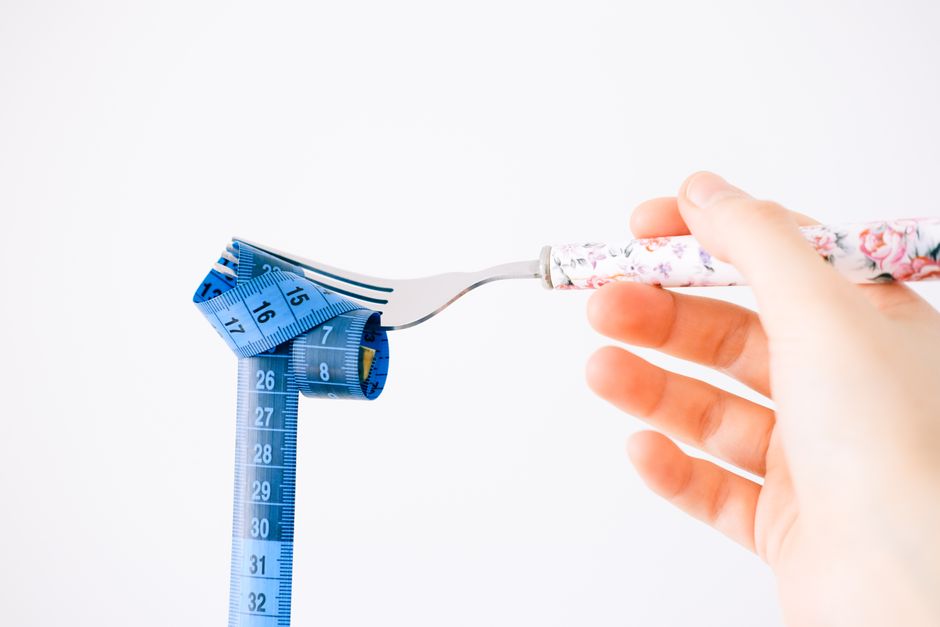
Most people who start a weight loss journey assume they must either overhaul their entire diet or commit to hours of grueling exercise. The truth is that nutrition and physical activity play very different roles in the scale moving down. Is diet or exercise more effective for weight loss is a question with a clear answer that might surprise you.
Diet is more effective than exercise for weight loss. Research consistently shows that reducing calorie intake produces greater weight loss than increasing physical activity alone. This is because it is far easier to cut 500 calories from your daily intake than it is to burn 500 calories through exercise. However, exercise remains essential for keeping the weight off and for your overall health.
Many online sources overcomplicate this topic with conflicting advice about macros, meal timing, and workout splits. This article cuts through the noise with a straightforward breakdown of the evidence. You will learn exactly how diet and exercise compare, why your metabolism matters, and how to combine both for sustainable results.
Key Points at a Glance
| Point | What It Means | Why It Matters |
|---|---|---|
| Calorie Deficit | You must burn more calories than you consume to lose weight. | Diet controls intake; exercise controls output. Both matter, but intake is easier to manage. |
| Diet Efficiency | Cutting calories is faster and requires less effort than burning them off. | You can out-eat almost any workout, making nutrition the primary driver of weight loss. |
| Exercise Benefits | Exercise preserves muscle and improves cardiovascular health. | It helps you keep the weight off and feel better even when the scale moves slowly. |
| Sustainability | The best plan is one you can maintain for months. | A moderate approach combining both is more realistic than extreme measures. |
Why Diet Outperforms Exercise for Weight Loss
The math behind weight loss is simple: one pound of body fat equals roughly 3,500 calories. To lose one pound per week, you need a daily deficit of about 500 calories. Cutting 500 calories from your diet takes about five minutes of planning — skipping a large soda and a pastry does it. Burning 500 calories through exercise requires roughly 45 to 60 minutes of vigorous activity, depending on your body weight and intensity.
Studies have found that exercise-only interventions produce modest weight loss of about 2 to 3 kilograms over several months. Diet-only interventions consistently produce more significant losses in the same timeframe. The reason is behavioral: people tend to compensate for exercise by eating more, often without realizing it. A single post-workout smoothie can easily erase the calories you just burned.
How Exercise Helps You Keep the Weight Off
While diet wins for initial weight loss, exercise becomes critical for maintenance. Research indicates that people who successfully maintain a significant weight loss for over a year engage in regular physical activity. Exercise helps preserve lean muscle mass, which keeps your resting metabolic rate higher than it would be with diet alone.
Think of it this way: diet shrinks the number on the scale, but exercise shapes what remains. Without resistance training, a large portion of weight lost can come from muscle rather than fat. Losing muscle slows your metabolism, making it harder to maintain your results. Including strength training two to three times per week protects your muscle and keeps your body burning calories efficiently.
Is Diet or Exercise More Important for Your Metabolism?
Your metabolism is the engine that burns calories at rest. It accounts for about 60 to 75 percent of your total daily energy expenditure. Exercise, including both structured workouts and everyday movement, accounts for roughly 15 to 30 percent. This means your resting metabolism has a far larger impact on your daily calorie burn than any workout session.
Diet affects your metabolism in two ways. First, eating fewer calories than your body needs forces it to use stored fat for energy. Second, a very low-calorie diet can slow your metabolism as your body adapts. This is why extreme restriction often backfires. A moderate deficit of 300 to 500 calories per day is more sustainable and less likely to trigger metabolic slowdown.
Some studies suggest that protein intake and strength training can slightly boost your metabolic rate. Protein requires more energy to digest than carbohydrates or fat. Combined with muscle-preserving exercise, a higher-protein diet supports a healthier metabolism during weight loss. This is one area where diet and exercise work together rather than compete.
How to Combine Diet and Exercise for Real Results
The most effective strategy uses diet as the primary tool for creating a calorie deficit and exercise as the tool for preserving health and preventing regain. Start by calculating your maintenance calories using a reliable TDEE calculator. Then create a moderate deficit of about 500 calories per day through food choices alone.
Add exercise gradually, beginning with two to three sessions per week. Focus on activities you enjoy, whether that is walking, swimming, cycling, or strength training. The goal is to build a habit that you can sustain for years, not a short-term program that burns you out. Consistency beats intensity every time when it comes to long-term weight management.
Frequently Asked Questions
Related Articles
Is diet or exercise more effective for weight loss?
Diet is more effective than exercise for creating the calorie deficit needed to lose weight. Exercise is essential for maintaining muscle and preventing weight regain.
How many calories can I expect to burn from exercise?
A 150-pound person burns roughly 300 to 400 calories per hour of moderate exercise like brisk walking or cycling. The exact number depends on your weight, intensity, and fitness level.
Can I lose weight with exercise alone?
Yes, but the results are typically slower and smaller than with diet alone. Exercise-only programs usually produce modest losses of a few kilograms over several months.
What is the best exercise for weight loss?
Any exercise you can do consistently is the best choice. Combining strength training with regular cardio provides the most balanced benefits for fat loss and muscle preservation.
How much protein should I eat while losing weight?
A common recommendation is 0.7 to 1 gram of protein per pound of body weight for those actively losing weight. This range helps preserve muscle and keeps you feeling full.
Why is my weight loss slowing down?
As you lose weight, your body requires fewer calories, so your original deficit shrinks. You may need to adjust your intake or increase your activity level to continue seeing progress.
Understanding the relationship between diet and exercise is the key to making lasting progress. Use nutrition to create your calorie deficit and exercise to protect your health and your results. For a personalized starting point, use the TDEE Calculator to find your maintenance calories and build your plan from there.

The TDEECAL Team writes about nutrition, metabolism, and fat loss the way we built our calculator, with real numbers and no hype. We dig into the research so you don’t have to guess.