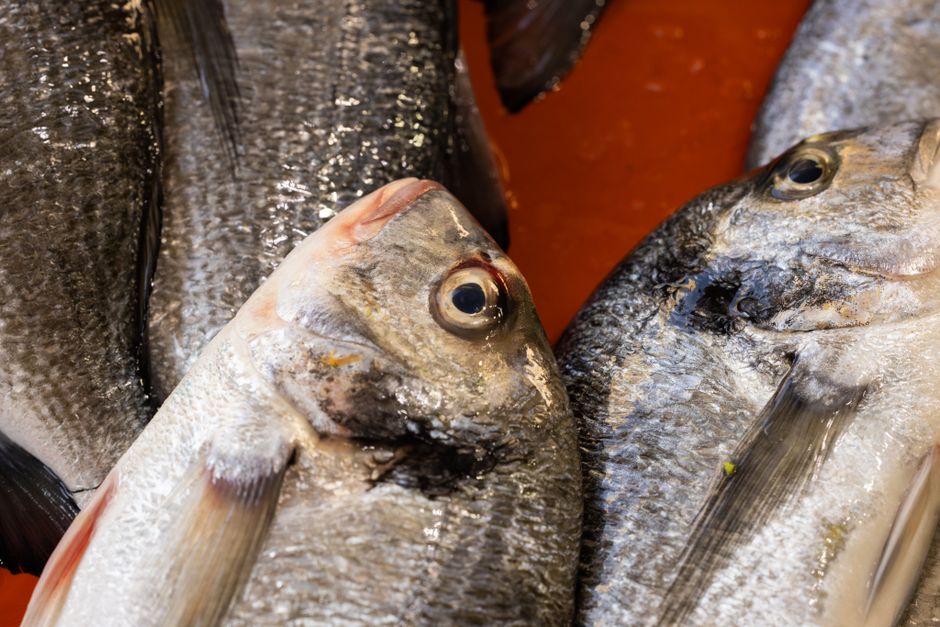
Which Fish is Good for Weight Loss? The Direct Answer
Fatty fish like salmon, tuna, and sardines are consistently good choices for weight loss because they deliver high protein and healthy fats that keep you full for hours. Lean white fish like cod, tilapia, and halibut also work well when you want a lower-calorie option that still provides satisfying protein. The best approach is to rotate between both types, aiming for at least two servings of fish per week. When you ask which fish is good for weight loss, the honest answer depends on your calorie goals and how you prepare it.
Most people trying to lose weight think they need to eat less protein or avoid fats entirely. Fish solves both problems at once. It gives you the satiety of protein without the heavy calorie load of red meat. And unlike chicken breast, fish brings omega-3 fatty acids that support heart health while you cut calories.
This article covers the specific fish that research and clinical practice support for weight loss, how portion sizes actually work, and the preparation mistakes that can quietly undo your progress. You will also learn why canned fish deserves a place in your weekly rotation.
Key Points at a Glance
| Point | What It Means | Why It Matters |
|---|---|---|
| Protein density | Fish provides 20–25 grams of protein per 3-ounce serving | Protein is the most filling macronutrient, reducing overall calorie intake |
| Omega-3 fats | Fatty fish contains EPA and DHA that support metabolism | These fats may improve insulin sensitivity, which helps with fat loss |
| Calorie range | White fish runs 70–100 calories per serving; fatty fish runs 150–200 | Knowing this range helps you budget calories without guesswork |
| Preparation matters | Baking, grilling, or poaching keeps calories low | Frying or butter sauces can double the calorie content quickly |
Why Protein and Omega-3s Make Fish Effective for Weight Loss
Research consistently shows that high-protein diets support weight loss by reducing appetite and preserving muscle mass during calorie restriction. Fish delivers this protein efficiently. A 3-ounce serving of cooked salmon provides roughly 22 grams of protein, while the same portion of cod offers about 19 grams. Both keep you satisfied longer than carbohydrate-heavy meals.
The omega-3 fatty acids in fish deserve attention beyond heart health. Some studies suggest these fats may help regulate appetite hormones and reduce inflammation, which can interfere with metabolic function. The evidence is promising but not conclusive, so treat omega-3s as a bonus rather than the main reason to eat fish.
Which Fish is Good for Weight Loss — Fatty or Lean?
Both fatty and lean fish support weight loss, but they serve different purposes in your weekly plan. Fatty fish like salmon, mackerel, and sardines provide more calories per serving but deliver omega-3s and a richer flavor that can prevent diet boredom. Lean fish like cod, tilapia, and halibut give you maximum protein per calorie, making them ideal for days when you want a larger portion without exceeding your calorie target.
The smart approach is to alternate between them. Use fatty fish two to three times per week for the omega-3 benefits and satiety. Use lean fish on other days when you want a lighter meal or need to stretch your protein budget further. This rotation keeps your meals interesting and covers your nutritional bases.
Canned fish deserves special mention. Canned tuna, sardines, and salmon are affordable, shelf-stable, and just as nutritious as fresh versions. Look for varieties packed in water rather than oil to avoid unnecessary calories. A can of tuna with a squeeze of lemon and some chopped celery makes a quick, protein-rich lunch that supports weight loss goals.
How Many Calories Are in Common Fish?
Calorie counts vary by species and preparation, so here are approximate values for a 3-ounce cooked portion:
- Cod: 70–90 calories, 19 grams protein
- Tilapia: 80–110 calories, 22 grams protein
- Halibut: 90–120 calories, 18 grams protein
- Salmon: 150–200 calories, 22 grams protein
- Tuna: 100–130 calories, 25 grams protein
- Sardines: 150–180 calories, 21 grams protein
These numbers assume baking, grilling, or poaching without added fats. Frying or coating fish in batter adds significant calories. A 3-ounce serving of fried cod can reach 200–250 calories, and that number climbs higher with tartar sauce or creamy dips.
What Preparation Mistakes Sabotage Weight Loss?
The biggest mistake I see is treating fish as a blank slate for heavy sauces and butter. A beautiful piece of salmon can easily absorb 200 extra calories from butter, cream sauces, or excessive oil. This turns a weight-loss-friendly meal into a calorie bomb without you noticing.
Simple seasonings work best. Lemon juice, garlic, fresh herbs, paprika, and black pepper add flavor without calories. A light brush of olive oil, about one teaspoon, is enough to prevent sticking and enhance browning. If you crave sauce, try a squeeze of lemon or a spoonful of Greek yogurt mixed with herbs instead of butter-based options.
Another common mistake is skipping fish entirely because fresh varieties seem expensive. Frozen fish is nutritionally comparable to fresh and often costs less. Canned fish offers even greater savings with the same protein benefits. There is no evidence that frozen or canned fish is inferior for weight loss.
Frequently Asked Questions
Related Articles
Which fish is good for weight loss if I want the most protein per calorie?
White fish like cod, tilapia, and halibut give you the most protein per calorie. A 3-ounce serving of cod provides about 19 grams of protein for roughly 80 calories.
Can I eat fish every day while trying to lose weight?
Yes, eating fish daily is generally safe and can support weight loss. Aim for at least two servings of fatty fish per week and vary your choices to avoid mercury buildup from larger predatory fish.
Is canned tuna good for weight loss?
Canned tuna is excellent for weight loss because it is high in protein and low in calories. Choose tuna packed in water rather than oil to keep calories around 100 per 3-ounce serving.
Does fried fish still help with weight loss?
Fried fish contains significantly more calories than baked or grilled fish. If you eat fried fish, keep portions small and skip the tartar sauce to minimize the calorie impact.
What is the best time of day to eat fish for weight loss?
There is no specific best time that research supports. Eating fish at any meal works, as long as you stay within your daily calorie target.
How much fish should I eat per week for weight loss?
Most health guidelines recommend at least two servings of fish per week, roughly 8 ounces total. This amount supports both weight loss and overall health without excessive mercury exposure.
If you are tracking calories to lose weight, try our TDEE Calculator to find your maintenance calories and build a realistic deficit. Knowing your numbers makes every food choice, including fish, much easier to plan.

The TDEECAL Team writes about nutrition, metabolism, and fat loss the way we built our calculator, with real numbers and no hype. We dig into the research so you don’t have to guess.