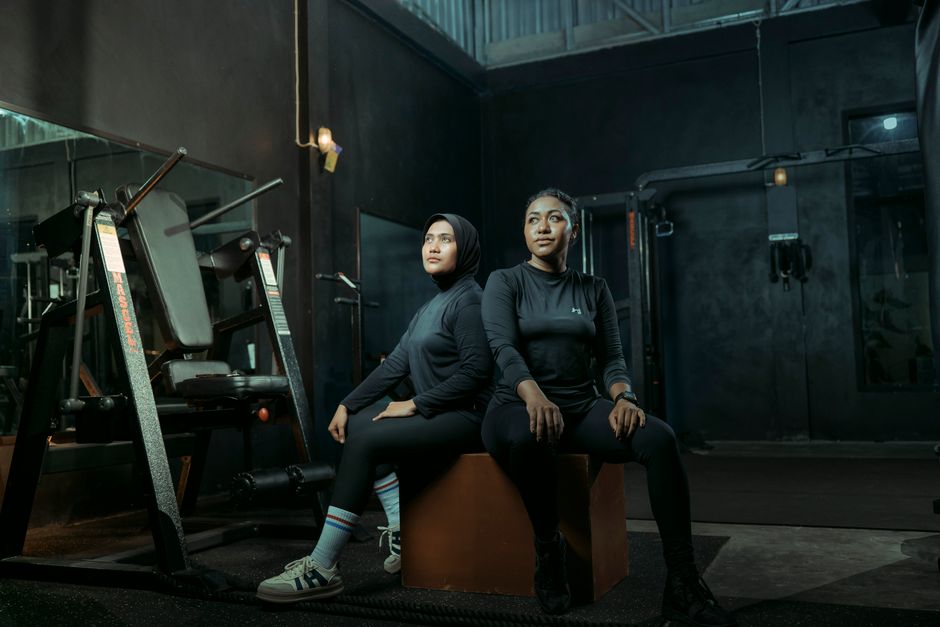
The gym floor is packed with machines that promise results, but most people end up on the same few without knowing why. The truth is, your best choice depends on what your body can handle and what you’ll actually stick with.
What’s the best machine at the gym for weight loss? The treadmill at an incline is the most effective machine for most people, because it burns the most calories per minute while being simple to use and easy on the joints. You can control the intensity with speed and incline, and you don’t need any special skills to get a solid workout.
That said, the “best” machine isn’t the same for everyone. If you have knee problems, the elliptical might serve you better. If you want to build muscle while burning fat, the rower deserves a close look. This article breaks down the top options by calorie burn, joint impact, and ease of use, so you can pick the one that fits your body and your goals.
Most generic advice tells you to “just pick one.” That’s not helpful. You need to know which machine burns the most calories, which ones are overrated, and how to use them correctly to avoid injury and wasted effort.
Key Points at a Glance
| Machine | What It Means | Why It Matters |
|---|---|---|
| Treadmill (incline) | Burns the most calories per minute | Fastest path to a calorie deficit |
| Rowing machine | Works 85% of your muscles | Builds strength while burning fat |
| Elliptical | Low impact on knees and hips | Better for joint pain or injury recovery |
| Stationary bike | Easy on joints, good for intervals | Great for beginners and high-intensity work |
| Stair climber | High calorie burn, targets legs | Effective but hard on knees for some |
Is What’s the Best Machine at the Gym for Weight Loss the Treadmill?
Yes, for most people, the treadmill takes the top spot. Research consistently shows that running or walking at an incline burns more calories per minute than other cardio machines. A 150-pound person burns roughly 300 to 400 calories in 30 minutes of incline walking, depending on speed and grade.
The incline feature is what sets it apart. Walking on a flat surface burns fewer calories than walking uphill, and you can keep raising the incline to challenge yourself without speeding up. That means you can get a serious workout even if you’re not a runner.
I always tell clients to start at a 3 percent incline and work up from there. It makes a noticeable difference in how hard your legs and lungs work, and it protects your knees from the pounding of running on a flat belt.
How Does the Rowing Machine Compare?
The rowing machine is the closest competitor to the treadmill for overall weight loss. It engages roughly 85 percent of your muscles, including your legs, back, arms, and core. That full-body engagement means you burn a substantial number of calories while also building lean muscle, which raises your metabolism over time.
Some studies suggest that rowing burns calories at a rate comparable to running, but with far less impact on your joints. The catch is that rowing requires proper form. If you pull with your arms instead of driving with your legs, you’ll waste energy and risk injuring your lower back.
Watch a quick video on proper rowing technique before your first session. The movement is legs, then back, then arms, and the reverse on the way back. Get that sequence right, and you’ll feel it in muscles you forgot you had.
Which Machines Are Overrated for Weight Loss?
The seated chest press and similar strength machines are not the best for burning calories. They build muscle, which is valuable, but they burn far fewer calories per minute than cardio machines. If weight loss is your primary goal, these should be secondary to cardio, not the main event.
The same goes for the abdominal crunch machine. It targets your abs directly, but spot reduction is a myth. You cannot burn belly fat by doing crunches alone. You need a calorie deficit from cardio and diet, and the ab machine won’t give you that.
The vibration platform machines you sometimes see in gym corners have no strong clinical evidence supporting them for weight loss. Some studies indicate they may help with muscle activation, but the calorie burn is minimal. Skip them and spend that time on the treadmill instead.
What About the Elliptical and the Bike?
The elliptical is a solid choice if you have knee, hip, or back pain. It provides a smooth, low-impact motion that still gets your heart rate up. The calorie burn is slightly lower than the treadmill, but it’s close enough that consistency matters more than the difference.
I recommend the elliptical to clients recovering from injuries or those who find the treadmill uncomfortable. You can also increase the resistance and use the moving handles to engage your upper body, which bumps up the calorie burn.
The stationary bike is another low-impact option that shines for interval training. Short bursts of intense pedaling followed by easy recovery periods can burn a lot of calories in a short time. The bike is also gentle on the knees, making it a good choice for heavier individuals starting their fitness journey.
How Many Calories Do These Machines Actually Burn?
Calorie burn varies by your weight, age, sex, and effort level. As a general guide, a 155-pound person burns roughly 260 calories in 30 minutes on the elliptical, about 260 on the stationary bike at moderate effort, and around 300 to 400 on the treadmill at an incline.
The stair climber falls in a similar range to the treadmill, burning roughly 300 calories in 30 minutes for a 155-pound person. However, it places more stress on the knees, so it’s not ideal for everyone. If your knees are healthy, it’s a great option for building leg strength while burning fat.
These numbers are estimates based on USDA and general fitness data. Your actual burn depends on how hard you push yourself. A machine only works if you work it.
How to Choose the Right Machine for Your Body
Start with your joints. If you have knee pain, choose the elliptical or bike over the treadmill or stair climber. If your back bothers you, the rower might be uncomfortable, so test it briefly before committing to a full session.
Next, consider your fitness level. Beginners often do well on the bike or elliptical because the movements are natural and easy to control. More experienced exercisers can handle the treadmill and rower, which require more coordination and balance.
Finally, think about what you enjoy. The best machine is the one you’ll actually use three to four times per week. If you hate the treadmill, you won’t stay consistent, and consistency is what drives weight loss.
Your daily calorie needs also play a role in how fast you lose weight. Use a TDEE calculator to find your maintenance calories, then aim to burn 300 to 500 calories per session through a combination of diet and exercise. That creates a sustainable calorie deficit of about one pound per week.
Frequently Asked Questions
Related Articles
What’s the best machine at the gym for weight loss?
The treadmill at an incline is the best machine for most people because it burns the most calories per minute. The rowing machine is a strong alternative if you want full-body engagement with less joint impact.
How long should I use a cardio machine to lose weight?
Aim for at least 30 minutes per session, three to four times per week. You can split it into shorter intervals if needed, but consistency matters more than a single long session.
Is the elliptical good for weight loss?
Yes, the elliptical burns a comparable number of calories to the treadmill with less joint impact. It’s a good choice if you have knee or hip problems.
Can I lose weight using only the stationary bike?
Yes, you can lose weight on the bike if you maintain a calorie deficit. High-intensity intervals on the bike are especially effective for burning calories in a short time.
Do I need to use strength machines to lose weight?
Strength training helps preserve muscle while you lose fat, but cardio machines are more efficient for burning calories. A balanced routine with both is ideal, but cardio should be your priority for weight loss.
How often should I change my cardio machine?
Switching machines every few weeks can prevent boredom and challenge different muscles. However, consistency on one machine is better than constantly switching and never pushing yourself hard enough.

The TDEECAL Team writes about nutrition, metabolism, and fat loss the way we built our calculator, with real numbers and no hype. We dig into the research so you don’t have to guess.