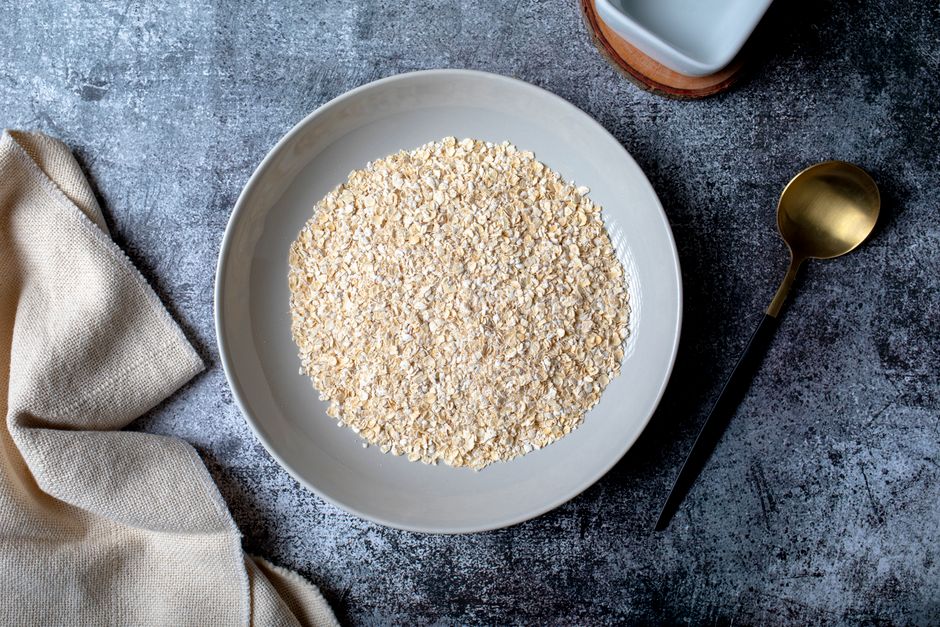
Which Oats Best for Weight Loss
You’ve stood in the cereal aisle staring at steel-cut, rolled, instant, and overnight oat varieties, wondering if your breakfast choice is actually helping or hurting your progress.
For weight loss, the best oats are steel-cut or old-fashioned rolled oats because they have more fiber and digest more slowly than instant varieties. When asking which oats best for weight management, the answer comes down to processing level, not brand names. Less processed oats keep you fuller longer and produce a steadier blood sugar response, which supports appetite control throughout the morning.
Most advice about oats focuses on calorie counts alone, but that misses the bigger picture. How oats are processed changes how your body handles them, and that difference matters for weight loss. This article breaks down the specific types, what the research actually shows, and how to prepare them so they work for your goals.
You’ll also learn why the toppings and portion sizes matter more than the oat variety itself, and how to avoid common mistakes that turn a healthy breakfast into a calorie trap.
Key Points at a Glance
| Point | What It Means | Why It Matters |
|---|---|---|
| Processing level | Steel-cut and rolled oats are less processed than instant | Less processing means more fiber and slower digestion |
| Glycemic response | Less processed oats cause a smaller blood sugar spike | Steadier blood sugar helps control hunger and cravings |
| Satiety | Steel-cut oats keep you full longer than instant | Feeling full longer helps you eat less overall |
| Portion control | A serving is about half a cup dry, roughly 150 calories | Oats are calorie-dense; measuring prevents overeating |
| Toppings matter | Added sugar and high-calorie toppings can undo benefits | The oat itself is only part of the weight loss equation |
What Makes One Type of Oats Better for Weight Loss Than Another?
All oats start as the same whole grain, but processing changes their structure. Steel-cut oats are simply whole oat groats chopped into pieces. Rolled oats are steamed and flattened. Instant oats are pre-cooked, dried, and rolled thinner, which breaks down their structure even further.
That processing difference changes how quickly your body digests them. Research consistently shows that less processed oats have a lower glycemic index, meaning they raise blood sugar more slowly. A slower rise helps you avoid the mid-morning energy crash that often triggers snacking.
I always keep steel-cut oats in my pantry for weekends when I have extra time, but rolled oats are my weekday staple because they cook in five minutes. Both work well for weight loss; the key is avoiding instant varieties when possible.
Practical tip: If you only have instant oats, add a scoop of plain Greek yogurt or a handful of nuts after cooking. The extra protein and fat slow digestion and blunt the blood sugar response.
Does the Glycemic Index of Oats Actually Matter for Weight Loss?
Yes, and the evidence is fairly strong. Studies have found that low-glycemic breakfasts reduce hunger and food intake at the next meal compared to high-glycemic options. Steel-cut and rolled oats fall in the low to moderate range, while instant oats land higher.
This matters because weight loss ultimately comes down to eating fewer calories than you burn. If a breakfast keeps you satisfied for four hours instead of two, you are less likely to reach for a 300-calorie snack mid-morning.
The difference is not huge, but it compounds over weeks and months. Choosing rolled oats over instant is a small daily decision that supports your larger goal without requiring willpower at 10 a.m.
One note: adding milk, fruit, or nuts changes the glycemic response of the whole meal. A bowl of instant oats with peanut butter and berries may perform similarly to plain rolled oats, so consider the entire meal, not just the grain.
How Many Calories Are in Different Types of Oats?
Plain oats of any type have nearly identical calorie counts. A half-cup serving of dry rolled oats contains roughly 150 calories, and steel-cut oats are similar. The difference comes from what you add and how much you pour.
Flavored instant oat packets are the exception. Many contain added sugar, bringing a single packet to 160 to 200 calories with 10 to 15 grams of sugar. That added sugar is what makes instant oats less ideal for weight loss, not the oat itself.
I measure my oats with a kitchen scale when I am being strict. A half-cup looks small in a big bowl, and it is easy to accidentally double the portion without noticing.
What Is the Best Way to Prepare Oats for Weight Loss?
The best preparation keeps oats as the base and adds protein, healthy fat, and fiber. A balanced bowl might include half a cup of rolled oats, a scoop of protein powder or Greek yogurt, and a handful of berries.
Avoid sugary toppings like honey, maple syrup, dried fruit, or brown sugar in large amounts. These add calories quickly without adding fullness. If you need sweetness, a mashed banana or a few chopped dates provide fiber along with natural sugar.
Overnight oats are a practical option because you prepare them the night before. Mix rolled oats with milk or yogurt, add chia seeds for extra fiber, and refrigerate. In the morning you have a ready-to-eat breakfast that requires no cooking.
Practical tip: Add a pinch of salt to your oats while cooking. It sounds odd, but it brings out the natural nutty flavor and makes plain oats satisfying without any added sugar.
Can You Eat Oats Every Day and Still Lose Weight?
Yes. Eating oats daily can support weight loss when portions are controlled and toppings are reasonable. Many people find that a consistent breakfast reduces decision fatigue and makes it easier to stick to their calorie target.
The risk is portion creep. Oats are easy to overpour, and a bowl that looks the same every morning might actually contain more than you think. Weighing or measuring for a week can recalibrate your eye.
Variety is also worth considering. Eating the same food daily can become monotonous, and boredom sometimes leads to abandoning the habit entirely. Rotating between rolled oats, steel-cut oats, and overnight oats keeps things interesting.
If you find oats do not fill you up, add more protein. Some research suggests that higher-protein breakfasts improve satiety more than fiber alone, so a scoop of protein powder or a side of eggs can make a real difference.
Which Oats Best for Weight Loss When You Have Limited Time?
Rolled oats are the best choice for busy mornings because they cook in about five minutes and still retain most of their fiber and slow-digesting properties. Steel-cut oats take 20 to 30 minutes on the stove, though an instant pot or overnight preparation can speed that up.
Instant oats work in a pinch, but they digest faster and often contain added sugar. If instant is your only option, choose plain, unflavored packets and add your own protein and fruit.
Batch cooking is another time-saver. Make a large pot of steel-cut oats on Sunday, portion it into containers, and reheat during the week. Reheated oats taste nearly as good as fresh, and the convenience removes the excuse to skip breakfast.
I make a double batch of steel-cut oats on Sunday nights and store it in the fridge. On busy mornings, I scoop out a portion, add milk, and microwave for 90 seconds. It saves me 20 minutes a day.
Frequently Asked Questions
Related Articles
Are steel-cut oats better than rolled oats for weight loss?
Steel-cut oats have a slightly lower glycemic index than rolled oats, but the difference is small. Both are excellent choices for weight loss when portions are controlled.
Can instant oats prevent weight loss?
Plain instant oats are not harmful, but they digest faster and may leave you hungry sooner. Flavored instant packets with added sugar are the bigger concern for weight loss.
How much oatmeal should I eat to lose weight?
A standard serving is half a cup of dry oats, which provides roughly 150 calories. Start there and adjust based on your total daily calorie target and hunger levels.
Is oatmeal good for weight loss every day?
Yes, daily oatmeal consumption can support weight loss when paired with protein and healthy toppings. Consistency helps, but portion control remains the most important factor.
What should I add to oatmeal for weight loss?
Add protein sources like Greek yogurt, protein powder, or nuts, plus fiber-rich fruit like berries. These additions increase fullness without adding excessive calories.
Does oatmeal cause belly fat?
No food alone causes belly fat, and oatmeal is not linked to abdominal weight gain. Excess calories from any source, including large oatmeal portions with sugary toppings, can contribute to fat storage.
For a personalized calorie target based on your age, height, weight, and activity level, use our TDEE Calculator to see how oatmeal fits into your daily needs.

The TDEECAL Team writes about nutrition, metabolism, and fat loss the way we built our calculator, with real numbers and no hype. We dig into the research so you don’t have to guess.