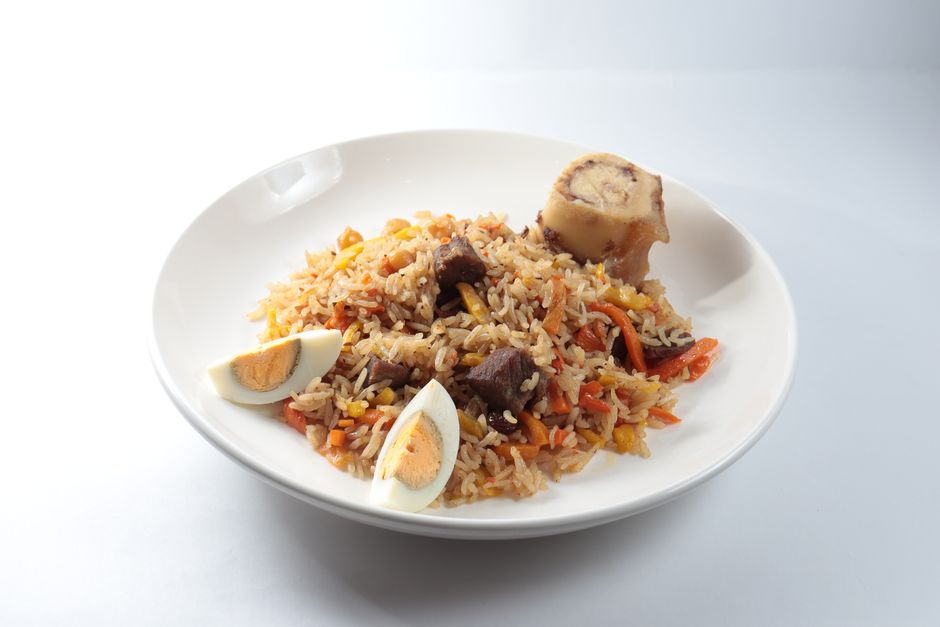
Jollof rice is one of the most loved dishes in West Africa, but its reputation as a “heavy” comfort food often puts it on the “do not eat” list for dieters. The real answer is more balanced than you might think. This dish can absolutely fit into a weight loss plan if you control portions and pay attention to how it is cooked.
So, is jollof rice healthy for weight loss? The direct answer is yes, it can be, but it depends entirely on portion size and ingredients. A typical serving of jollof rice contains roughly 250 to 350 calories, which is manageable for most weight loss plans. The main issue is that it is easy to overeat because it tastes so good, and the oil and sodium content can add up quickly.
Most generic advice will tell you to just “avoid white rice” or “cut carbs,” which ignores the fact that jollof rice is a complete meal with vegetables and protein. This article breaks down the actual nutritional numbers, the cooking choices that matter most, and how to fit it into your daily calorie target. You will get clear, practical guidance that respects both your culture and your goals.
Key Points at a Glance
| Point | What It Means | Why It Matters |
|---|---|---|
| Calorie Density | One cup has roughly 250-350 calories | Fits a standard 1,500-1,800 calorie weight loss diet |
| Oil Content | Cooking fat is the biggest variable | Reducing oil by half can save 100+ calories per serving |
| Protein Presence | Often served with chicken or fish | Protein keeps you full longer and preserves muscle |
| Sodium Levels | Stock cubes and salt add significant sodium | High sodium can cause water retention and bloating |
| Portion Control | Restaurant servings are often 2-3 cups | Measuring one cup is the simplest strategy that works |
What Determines If Jollof Rice Is Healthy for Weight Loss?
The answer to whether jollof rice is healthy for weight loss comes down to three variables: the oil, the rice type, and what you eat it with. The traditional recipe uses palm oil or vegetable oil, which adds about 120 calories per tablespoon. Most home recipes use two to three tablespoons for the whole pot, but restaurant versions often use much more.
I always notice that the shinier the rice looks on the plate, the more oil was used. That shine is literally liquid calories. When I cook jollof at home, I use one tablespoon of oil for a full pot and make up the flavor with extra tomatoes, onions, and scotch bonnet pepper. The taste difference is small, but the calorie difference is significant.
Practical Tip: Use a non-stick pot and reduce the oil to one tablespoon. You will not taste the difference, but you will save about 100 calories per serving.
How Many Calories Are in a Typical Serving of Jollof Rice?
A standard one-cup serving of jollof rice contains roughly 250 to 350 calories, depending on the oil and rice variety used. White rice jollof sits at the higher end, while brown rice versions come in lower because brown rice has more fiber and digest more slowly. The protein you add, like grilled chicken or fish, adds another 150 to 250 calories per serving.
For a woman aiming for 1,500 calories a day, one cup of jollof rice with a piece of grilled chicken is a completely reasonable meal. The problem is that most restaurant servings are two to three cups, which pushes the meal to 800 or even 1,000 calories. That single meal can use up most of your daily budget before you eat anything else.
Does the Type of Rice Change the Health Impact?
The rice you start with matters more than most people realize. White rice is stripped of its bran and germ, which removes most of the fiber and some B vitamins. Brown rice keeps those parts intact, so it has about three times more fiber and a lower glycemic index. That means brown rice jollof will keep your blood sugar steadier and keep you full for longer.
Some studies suggest that swapping white rice for brown rice is linked to better weight management over time. The evidence is not dramatic, but it is consistent. If you have access to brown rice and do not mind the chewier texture, it is a simple swap that adds nutritional value without changing the flavor of your jollof.
Practical Tip: Mix half white rice and half brown rice if you are not ready for full brown rice. You get the texture you love with more fiber.
What Should You Serve With Jollof Rice for Weight Loss?
What you eat alongside jollof rice determines whether the meal helps or hurts your weight loss efforts. Grilled or baked chicken, fish, or shrimp add protein without extra oil. Fried plantains and fried chicken are traditional sides, but they add significant calories and fat that can undermine your progress.
I always recommend adding a side of steamed vegetables or a simple salad with jollof rice. The vegetables add volume and fiber, which helps you feel full with fewer total calories. This is not about removing the foods you love; it is about balancing the plate so the meal works for you, not against you.
Is Jollof Rice Healthy for Weight Loss Compared to Other Carbs?
Compared to other common carbohydrate sides, jollof rice is actually a reasonable choice when portioned correctly. It contains tomatoes, onions, and peppers, which add vitamins and antioxidants that plain white rice does not have. The tomato base provides lycopene, a compound linked to heart health, and the peppers add vitamin C.
The main downside is the sodium from stock cubes and salt, which can cause temporary water retention and make the scale look worse than it is. This is not fat gain, but it can be discouraging. If you are sensitive to salt, use low-sodium stock or reduce the cubes from two to one, and you will notice less bloating.
Frequently Asked Questions
Related Articles
Can I eat jollof rice every day while losing weight?
Yes, you can eat jollof rice daily if you keep the portion to one cup and control the oil. The key is staying within your total daily calorie target while getting enough protein and vegetables from other meals.
Is jollof rice high in carbs?
Yes, jollof rice is primarily carbohydrates, with about 45 to 60 grams per cup depending on the rice type. This is not a problem for weight loss as long as you account for it in your daily carb and calorie budget.
Does jollof rice cause belly fat?
No single food causes belly fat; excess total calories do. Eating jollof rice in large portions consistently can contribute to weight gain, but moderate portions fit into a healthy diet without targeting belly fat specifically.
What is the healthiest way to cook jollof rice?
The healthiest method uses brown rice, one tablespoon of oil, extra vegetables, and reduced sodium stock. Grilling or baking your protein instead of frying it also keeps the total meal lower in calories and fat.
How much jollof rice should I eat to lose weight?
Start with one cup of cooked jollof rice, which is roughly the size of your fist. Measure it for the first week so you can see what a proper portion looks like, then adjust based on your hunger and progress.
Can I freeze jollof rice for meal prep?
Yes, jollof rice freezes well and keeps for up to three months in an airtight container. Portion it into single servings before freezing so you always have a controlled meal ready when you need it.
Use our TDEE Calculator to find your exact daily calorie target, then plan your jollof rice portions around that number. This tool takes the guesswork out of your weight loss plan and helps you make informed decisions about every meal.
Jollof rice does not have to be the enemy of your weight loss journey. With the right portion size, a lighter cooking method, and balanced sides, you can enjoy this beloved dish while still making progress toward your goals. The key is awareness, not elimination.

The TDEECAL Team writes about nutrition, metabolism, and fat loss the way we built our calculator, with real numbers and no hype. We dig into the research so you don’t have to guess.