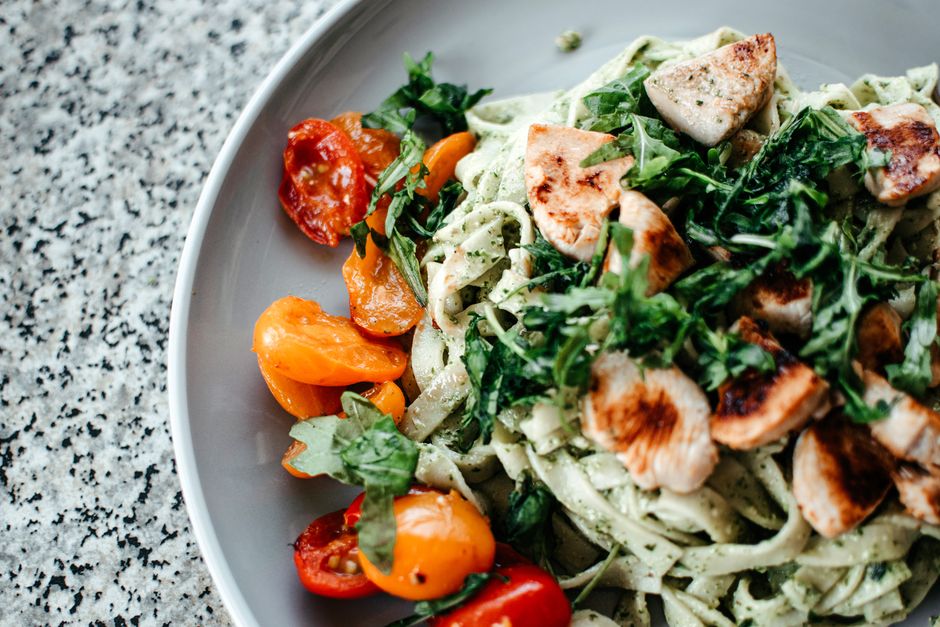
Pesto pasta often gets labeled a diet splurge, but the math is more interesting than most people expect. A standard serving of pesto pasta with about a quarter cup of sauce typically lands between 400 and 500 calories, which is comparable to many weight-loss friendly meals.
So, is pesto pasta good for weight loss? The honest answer is yes, it can be — provided you control portions and balance the plate. Pesto brings healthy fats from olive oil and pine nuts, while pasta provides steady energy. The problem is rarely the pesto itself. It is almost always the oversized bowl and the extra cheese on top.
Most articles either tell you to cut pasta completely or pretend all pasta is the same. Both approaches miss what actually matters for weight loss. This guide breaks down the real calorie math, the protein and fiber numbers, and the practical serving adjustments that make pesto pasta work in a weight loss plan.
Key Points at a Glance
| Point | What It Means | Why It Matters |
|---|---|---|
| Calorie range | 400–500 calories per standard serving | Fits within most weight loss calorie budgets |
| Healthy fats | Olive oil and pine nuts provide unsaturated fats | Increases fullness and slows digestion |
| Protein content | 8–10 grams without added meat | Below the 20–30 grams ideal for meal satisfaction |
| Portion trap | Restaurant servings often double standard portions | Easy to consume 800+ calories unknowingly |
What Does the Calorie Math Actually Look Like?
One cup of cooked spaghetti holds roughly 220 calories. A quarter cup of traditional basil pesto adds about 260 calories, bringing the base dish to roughly 480 calories before any additions. That number sits comfortably within most weight loss meal budgets, which typically range from 400 to 600 calories per meal.
The real calorie problem appears when portions creep upward. Two cups of pasta with a half cup of pesto pushes the same dish past 900 calories. That single bowl can consume nearly half of a daily 1,800-calorie weight loss target. I always weigh my pasta before cooking — the difference between a “handful” and an actual serving is usually double what people estimate.
Is Pesto Pasta Good for Weight Loss When You Add Protein?
Pesto pasta alone provides roughly 8 to 10 grams of protein, which falls short of the 20 to 30 grams that research suggests supports meal satisfaction and muscle preservation during weight loss. Adding protein changes the picture completely. Grilled chicken breast adds about 30 grams per 4-ounce portion, while shrimp adds roughly 20 grams per 3-ounce serving.
Some studies indicate that higher-protein meals reduce hunger hormones and increase fullness more effectively than lower-protein meals with the same calories. The practical takeaway is straightforward: pesto pasta becomes a more effective weight loss meal when you treat it as a base rather than the entire dish. A palm-sized portion of protein turns it from a carb-heavy plate into a balanced meal.
Add a handful of arugula or spinach to your pesto pasta. The greens add volume and fiber for almost no calories, making the bowl more filling without changing the flavor profile.
How Does Pesto Compare to Other Pasta Sauces?
Pesto is more calorie-dense than marinara but far less calorie-dense than cream-based sauces like alfredo. A quarter cup of marinara adds roughly 30 calories, while the same amount of alfredo adds about 220 calories. Pesto sits in the middle at around 260 calories per quarter cup.
The fat content in pesto actually works in your favor for weight loss. Olive oil and pine nuts slow stomach emptying, which extends the feeling of fullness after the meal. Research consistently shows that meals containing healthy fats lead to greater satiety compared to low-fat meals with identical calorie counts. The key is keeping the pesto portion reasonable — about two tablespoons per serving is enough to coat the pasta without drowning it.
What Is the Best Way to Make Pesto Pasta More Filling?
Fiber is the missing piece in most pesto pasta bowls. Regular white pasta contains about 2.5 grams of fiber per cup, while whole wheat pasta provides closer to 6 grams. Swapping to whole wheat or legume-based pasta adds meaningful fiber without changing the pesto flavor. You can also stir in roasted vegetables like zucchini, bell peppers, or cherry tomatoes to increase volume and fiber content.
Another effective strategy is reducing the pasta portion and increasing the vegetables. Half a cup of pasta with a full cup of roasted vegetables creates a larger, more satisfying bowl for fewer calories than a full cup of pasta alone. This volume-eating approach has strong support in nutrition research because it allows people to eat satisfying portions while maintaining a calorie deficit.
Frequently Asked Questions
Related Articles
Is pesto pasta good for weight loss compared to other pasta dishes?
Yes, pesto pasta is a reasonable weight loss choice when portioned correctly. It beats cream-based sauces and rivals marinara when you account for the fullness factor from healthy fats.
How many calories are in a typical serving of pesto pasta?
A standard serving with one cup of cooked pasta and two tablespoons of pesto contains roughly 350 to 400 calories. Restaurant portions often double that amount, so home preparation gives you more control.
Can I eat pesto pasta every day while losing weight?
Daily consumption works if the portions fit your calorie target and you include protein and vegetables. Variety remains important for nutrient diversity, but no evidence suggests pesto pasta is harmful when eaten regularly.
Is store-bought pesto as healthy as homemade pesto?
Store-bought pesto is generally fine, though it often contains more salt and less olive oil than homemade versions. Check the label for added sugar and compare calorie counts between brands.
Does whole wheat pasta make pesto pasta healthier for weight loss?
Whole wheat pasta adds roughly 3.5 more grams of fiber per serving, which increases fullness. The calorie difference is minimal, but the satiety benefit can help you eat less overall.
What protein goes best with pesto pasta for weight loss?
Grilled chicken, shrimp, and white fish all pair well with pesto and add 20 to 30 grams of protein per serving. Plant-based options like chickpeas or tofu also work, though you may need a larger portion to reach the same protein total.
Use our TDEE calculator to find your maintenance calories and build a pesto pasta meal that fits your specific weight loss target.

The TDEECAL Team writes about nutrition, metabolism, and fat loss the way we built our calculator, with real numbers and no hype. We dig into the research so you don’t have to guess.