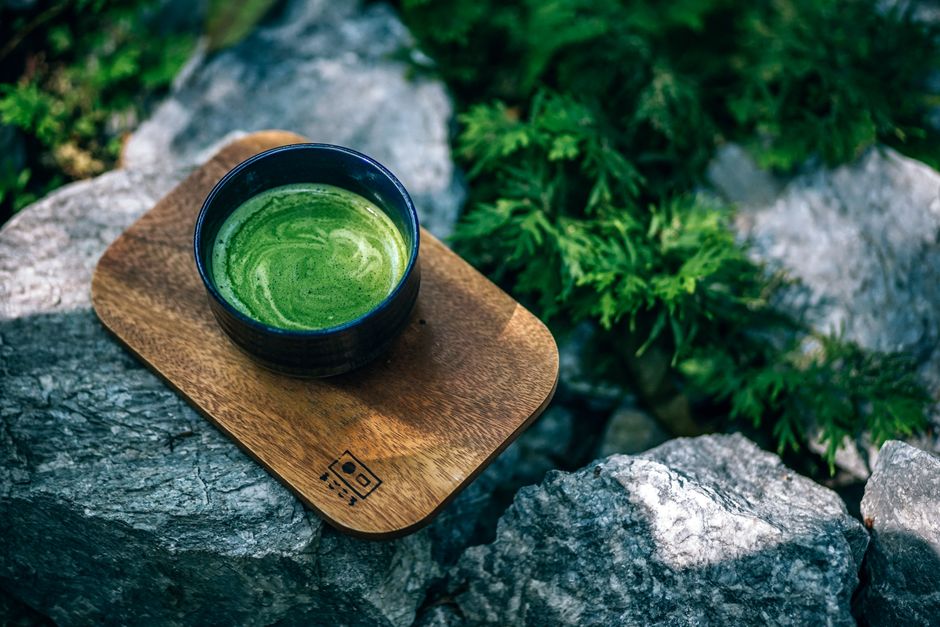
Matcha is one of the most popular drinks in America right now, and it often shows up in weight loss conversations. But many women wonder if the calories, sugar, or caffeine in matcha could actually work against their goals.
The short answer is that is matcha bad for weight loss depends almost entirely on how you prepare it. Plain matcha made with water has nearly zero calories and no sugar. A matcha latte from a coffee shop can pack 200 to 400 calories with sweeteners and whole milk. The matcha itself is not the problem — the add-ons usually are.
Most generic articles tell you to “just drink green tea” without explaining the real differences. This guide covers what the evidence actually says about matcha and weight, how to order it without ruining your calorie budget, and which preparation methods work best. You will also learn why matcha gets more attention than regular green tea and whether that attention is deserved.
Key Points at a Glance
| Point | What It Means | Why It Matters |
|---|---|---|
| Plain matcha calories | Roughly 3 to 5 calories per serving with water | Can fit into any weight loss plan without issue |
| Matcha latte calories | 150 to 400 calories depending on milk and sweetener | Drinks with added sugar can erase your deficit |
| Caffeine content | About 30 to 70 mg per serving | May slightly boost metabolism but effect is small |
| EGCG compound | A catechin found in green tea | Some studies show modest fat oxidation effects |
| Bottom line | Preparation determines whether matcha helps or hurts | Focus on plain matcha or light milk options |
What Does the Science Say About Matcha and Weight Loss?
Research on green tea and weight loss has been going on for decades. The evidence consistently shows that green tea catechins, especially EGCG, can increase fat oxidation by a small amount. Some studies suggest this effect is strongest when combined with caffeine, which matcha naturally contains.
But the size of the effect matters. Most clinical trials show an extra 50 to 100 calories burned per day at most. That is not nothing, but it will not overcome a poor diet. Think of matcha as a small helper, not a solution on its own.
I always tell people to measure their matcha powder carefully. A single teaspoon is about 2 grams, but many people heap the spoon and get closer to 3 or 4 grams. That doubles the caffeine and can cause jitters, which leads to adding sugar to calm the feeling.
Is Matcha Bad for Weight Loss When Ordered as a Latte?
This is where most people get into trouble. A standard 16-ounce matcha latte at a coffee shop contains about 2 tablespoons of matcha powder mixed with milk and sweetener. Depending on the milk type and syrup amount, that drink lands between 240 and 400 calories.
Compare that to a plain brewed matcha at 3 to 5 calories. The difference is enormous. If you drink one sweetened matcha latte daily, that adds roughly 2,000 calories per week — enough to completely cancel a moderate calorie deficit.
Some studies indicate that the sugar in sweetened drinks also affects hunger hormones. A high-sugar drink can spike blood sugar and then drop it quickly, leaving you hungrier than before. That makes sticking to your meal plan harder for the rest of the day.
Order your matcha latte with unsweetened almond milk and no syrup. Ask for a single scoop of matcha instead of the standard double. This cuts the calorie count to roughly 60 to 90 calories while keeping the flavor.
How Should You Prepare Matcha for Weight Loss?
The most effective way to drink matcha for weight loss is the traditional preparation. Whisk one teaspoon of matcha powder into hot water and drink it plain. This gives you the full EGCG and caffeine content with almost no calories.
If plain matcha tastes too bitter for you, try a lighter version. Use half matcha and half hot water, then add a splash of unsweetened oat milk. This keeps calories under 30 while making the drink more palatable. I find that a small pinch of cinnamon also helps cut the bitterness without adding sugar.
Cold brew matcha is another option. Mix the powder with cold water in a shaker bottle and shake vigorously for 30 seconds. The flavor is smoother and less astringent than hot preparation, which means you may not feel the need to sweeten it at all.
How Many Calories Are in Different Matcha Drinks?
Calorie counts vary significantly by preparation and brand. Here are realistic estimates based on standard recipes:
- Plain matcha with water: 3 to 5 calories per 8-ounce serving
- Matcha with unsweetened almond milk: 30 to 50 calories per 12-ounce serving
- Matcha latte with 2% milk and no syrup: 150 to 180 calories per 12-ounce serving
- Matcha latte with whole milk and vanilla syrup: 250 to 400 calories per 16-ounce serving
- Matcha smoothie with banana and honey: 200 to 350 calories per 16-ounce serving
These numbers come from USDA food data and standard coffee shop recipes. Your actual drink may differ based on the brand of matcha and the milk used. If you are tracking calories, always ask for the nutrition information at the counter.
The takeaway is simple. Matcha itself is not bad for weight loss. The high-calorie versions served at many cafes are what cause problems. Being aware of what is in your cup makes all the difference.
Does Matcha Affect Appetite or Cravings?
Some research suggests that green tea catechins may influence appetite-regulating hormones. The evidence is mixed, though. Some studies show a slight reduction in hunger, while others find no effect at all.
The caffeine in matcha may play a bigger role. Caffeine is a known appetite suppressant in the short term. For about two to three hours after drinking matcha, you may feel less hungry. This effect fades as the caffeine wears off.
I have noticed that clients who drink matcha mid-morning tend to snack less before lunch. That is likely the caffeine effect, not anything unique to matcha. Coffee would do the same thing if you drink it black without sugar.
Frequently Asked Questions
Related Articles
Is matcha bad for weight loss if I drink it daily?
No, plain matcha with water is fine daily and contains almost no calories. The problem only appears when you add milk, sugar, or syrups that increase the calorie count.
How much matcha should I drink per day for weight loss?
Most studies use 1 to 2 teaspoons of matcha powder per day, which provides 100 to 200 mg of EGCG. Drinking more than 3 teaspoons daily can cause caffeine-related side effects like anxiety and insomnia.
Does matcha boost metabolism enough to matter?
The boost is real but small, typically 50 to 100 extra calories burned per day. That alone will not cause noticeable weight loss, but it can complement a proper calorie deficit.
Is matcha better than coffee for weight loss?
Both drinks are nearly identical in calorie content when consumed black. Matcha contains EGCG, which coffee does not, but the metabolic effect is too small to declare a clear winner.
Can matcha cause weight gain?
No, matcha itself cannot cause weight gain because it has almost no calories. Weight gain only occurs if you drink matcha with added sugar and full-fat milk in large quantities.
Should I drink matcha before or after exercise?
Some studies suggest caffeine before exercise improves performance, so matcha 30 minutes before a workout makes sense. The effect is modest, and timing matters less than your overall daily calorie intake.
Matcha is a useful addition to a weight loss plan, but it is not a magic bullet. The key is to drink it plain or with minimal additions. Check your total calories with a TDEE calculator to see how matcha fits into your daily budget.

The TDEECAL Team writes about nutrition, metabolism, and fat loss the way we built our calculator, with real numbers and no hype. We dig into the research so you don’t have to guess.