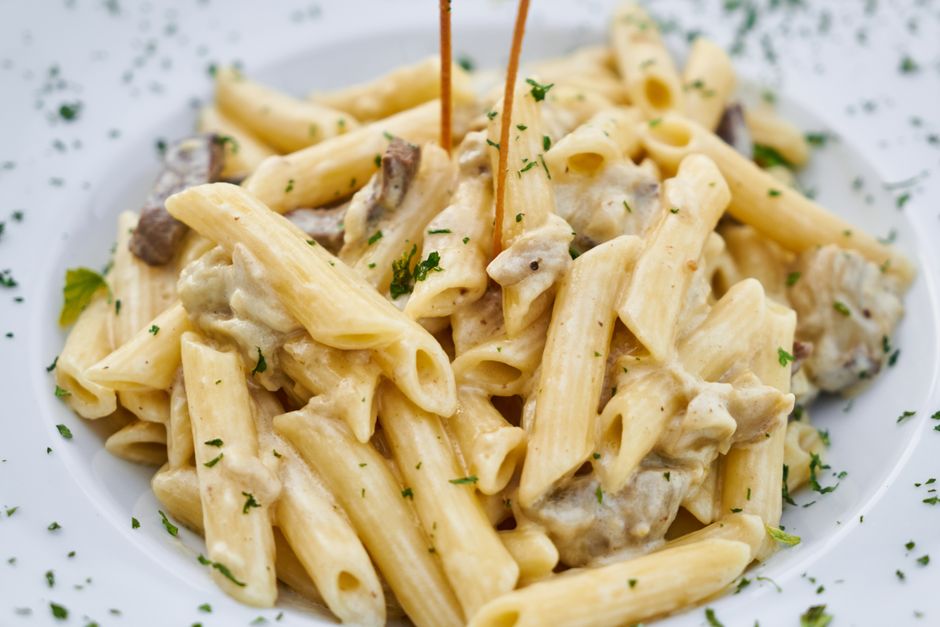
Is Cheese Pasta Good for Weight Loss?
Cheese pasta often gets labeled as a diet disaster, but the real answer depends entirely on how you build the dish.
Yes, cheese pasta can be good for weight loss if you control portions, choose high-protein pasta, and use cheese strategically. The combination of protein and fiber keeps you fuller longer, which often leads to eating fewer calories overall. However, a typical restaurant portion with heavy cream sauce can easily exceed 800 calories, which works against weight loss goals.
Most people searching for this answer are tired of bland diet food. They want to know if they can keep their comfort foods without derailing progress. This article breaks down what the research actually says about pasta, cheese, and satiety — and gives you a realistic framework for making cheese pasta work in a weight loss plan.
Key Points at a Glance
| Point | What It Means | Why It Matters |
|---|---|---|
| Portion size matters most | A serving is 1 cup cooked pasta, about the size of a fist | Most people eat 2-3 times this amount without realizing it |
| Protein boosts satiety | Adding chicken or using legume-based pasta increases fullness | Feeling full longer reduces snacking later in the day |
| Cheese type changes the math | Parmesan has fewer calories per tablespoon than cheddar | Stronger cheeses let you use less while keeping flavor |
| Preparation method matters | Baked mac and cheese with cream is far higher in calories | Simple stovetop versions save 200-300 calories per serving |
What Does the Research Say About Pasta and Weight Loss?
Research published in BMJ Open found that pasta consumption was not linked to weight gain when part of a low-glycemic index diet. The key finding was that pasta eaters actually lost slightly more weight than those avoiding it entirely.
The reason comes down to glucose response. Pasta has a lower glycemic index than white bread or potatoes, meaning it raises blood sugar more slowly. This steady energy release helps control hunger between meals.
Studies also show that carbohydrate-rich meals combined with protein and fat keep you satisfied longer than either nutrient alone. Cheese adds both protein and fat to the pasta, which slows digestion further.
How Many Calories Are in Cheese Pasta?
A standard serving of cheese pasta — 1 cup cooked pasta with 1/4 cup shredded cheddar — comes to roughly 350 to 400 calories. That calculation uses regular wheat pasta and full-fat cheese.
The calorie count changes dramatically based on what you add. A creamy alfredo sauce adds 200 to 300 calories per half-cup. Extra cheese on top adds another 100 calories per ounce. Butter, oil, or cream all push the total higher quickly.
For weight loss, the goal is to keep the entire meal between 400 and 500 calories. That leaves room for a balanced day without feeling deprived.
Is Cheese Pasta Good for Weight Loss When You Choose the Right Ingredients?
The ingredient choices you make determine whether this dish helps or hurts your progress. Regular white pasta provides mostly refined carbohydrates with little protein or fiber.
Swapping to chickpea or lentil pasta changes the picture significantly. These alternatives contain roughly double the protein and fiber of wheat pasta. A 2-ounce serving of chickpea pasta delivers about 14 grams of protein compared to 7 grams in traditional pasta.
Cheese selection matters too. Hard aged cheeses like Parmesan and Pecorino Romano pack intense flavor in a smaller volume. You can use half the amount and still get the cheesy taste you want. Cottage cheese blended smooth adds protein with far fewer calories than cream-based sauces.
I always keep a block of Parmesan in my fridge rather than pre-shredded bags. The flavor is stronger, so I use less, and it melts more evenly without clumping.
Practical Ways to Make Cheese Pasta Work for Weight Loss
Start with your portion. Measure one cup of cooked pasta rather than eyeballing it. Most people underestimate portions by 50 percent or more.
Add vegetables to stretch the meal. Broccoli, spinach, or zucchini add volume and fiber for very few calories. You can fill half your plate with vegetables and still feel satisfied.
Eat your protein first. Having chicken, shrimp, or beans alongside the pasta increases fullness signals. Research consistently shows that protein is the most satiating macronutrient.
How Often Can You Eat Cheese Pasta While Losing Weight?
There is no universal rule that works for everyone. Some people do well including cheese pasta once or twice a week as part of a balanced diet. Others find that trigger foods lead to overeating and prefer to avoid them entirely.
The evidence on flexible dieting suggests that including favorite foods in moderation improves long-term adherence. A 2017 study in the Journal of Nutrition Education and Behavior found that dietary flexibility was associated with better weight maintenance.
The real question is whether you can stop at one serving. If one portion leads to three more, the dish works against you regardless of its nutritional profile.
Frequently Asked Questions
Related Articles
Can I eat cheese pasta every day and still lose weight?
You can, but only if every serving fits within your daily calorie target. Most people find that daily cheese pasta makes hitting protein goals and staying in a deficit more difficult.
What cheese is lowest in calories for pasta?
Parmesan and Pecorino Romano are the lowest-calorie options per tablespoon because their intense flavor means you use less. One tablespoon of grated Parmesan has about 22 calories.
Is mac and cheese good for weight loss?
Traditional baked mac and cheese with cream and butter typically exceeds 500 calories per cup, which makes weight loss harder. A lighter stovetop version with reduced cheese and added vegetables stays closer to 350 calories.
Does eating pasta at night cause weight gain?
No, research does not support the idea that eating carbohydrates at night causes weight gain. Total daily calories matter more than the time you eat them.
What is the best pasta for weight loss?
Legume-based pastas like chickpea or lentil provide more protein and fiber than wheat pasta. They keep you fuller longer, which helps reduce overall calorie intake.
How much cheese can I add to pasta when dieting?
Stick to one to two tablespoons of grated hard cheese per serving, which adds roughly 40 to 50 calories. This amount provides noticeable flavor without wrecking your calorie budget.
For a more precise plan, use the TDEE Calculator to find your maintenance calories, then subtract 300 to 500 for weight loss. That number tells you exactly how much room you have for cheese pasta in your day.

The TDEECAL Team writes about nutrition, metabolism, and fat loss the way we built our calculator, with real numbers and no hype. We dig into the research so you don’t have to guess.