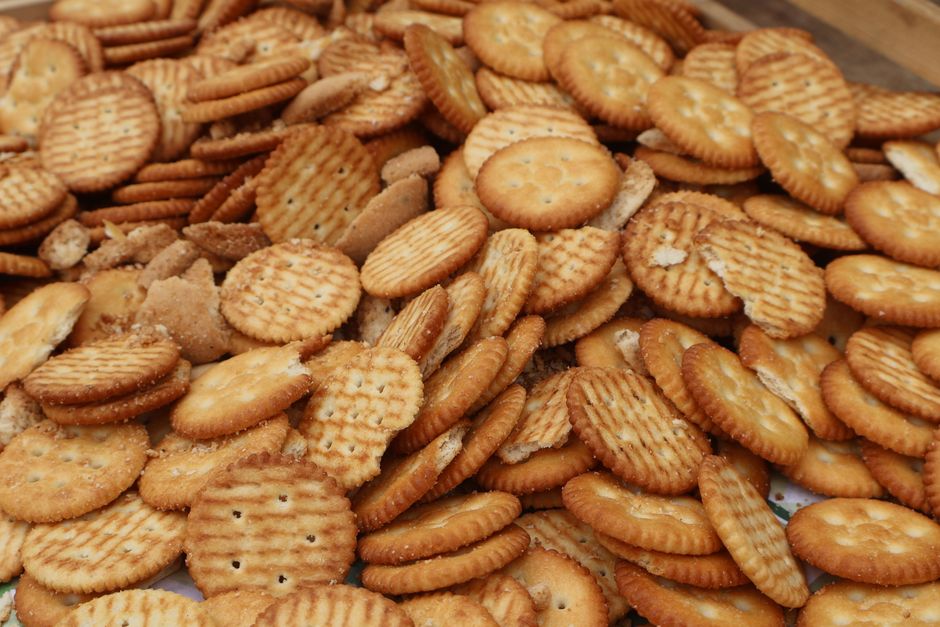
Most people assume crackers are a harmless snack, but the average serving of saltines packs about 80 calories with almost no protein or fiber to keep you full.
Are crackers bad for weight loss? The short answer is no, not inherently — but most commercial crackers are designed to be eaten in large quantities without making you feel satisfied, which can easily derail a calorie deficit. The real issue isn’t the cracker itself; it’s the type, the portion, and what you pair it with.
This article breaks down what the evidence actually says about crackers and weight management. You’ll learn which types work better for satiety, how to build a cracker snack that actually holds you over, and why the “bad food” label often does more harm than good.
Most weight loss advice either demonizes crackers completely or ignores portion math entirely. Both approaches miss the practical middle ground that helps you stay consistent without feeling deprived.
Key Points at a Glance
| Point | What It Means | Why It Matters |
|---|---|---|
| Calorie density | Most crackers deliver 80–150 calories per serving with low volume | Easy to overeat without feeling full |
| Fiber and protein | Standard crackers contain minimal amounts of both | Lower satiety compared to whole foods |
| Refined flour | White flour crackers spike blood sugar quickly | Can trigger hunger sooner after eating |
| Portion control | Serving sizes are often unrealistic (about 5–10 crackers) | Most people eat 2–3 times the serving size |
| Pairing matters | Crackers with protein or fat create a balanced snack | Prevents the crash-and-crave cycle |
What Actually Makes a Cracker Problematic for Weight Loss?
The primary issue is refined carbohydrates. Most crackers use white flour, which your body digests quickly, leading to a rapid blood sugar rise followed by a drop. That drop triggers hunger signals within an hour or two, making it harder to stick to your calorie target.
Research consistently shows that foods with higher protein and fiber increase satiety more than refined carbohydrates. A study published in the American Journal of Clinical Nutrition found that meals with higher protein and fiber led to greater fullness and reduced later snacking compared to refined carb-heavy meals.
One observation from my own kitchen: I’ve seen clients eat an entire sleeve of saltines while watching TV and still feel hungry twenty minutes later. The same calories in Greek yogurt with berries would keep them satisfied for hours.
Practical tip: If you’re craving crackers, choose ones with at least 3 grams of fiber and 3 grams of protein per serving. Pair them with something substantial — hummus, cheese, or nut butter.
Are Crackers Bad for Weight Loss Compared to Other Snacks?
Compared to whole-food snacks like fruit, vegetables, or nuts, crackers generally lose on satiety per calorie. A 100-calorie serving of crackers is roughly 15–20 thin squares, which is easy to eat in under two minutes without feeling full.
But compared to other processed snacks like chips or cookies, crackers are often a reasonable middle ground. They typically have less fat and sugar than cookies, and less sodium than many chips. The evidence is mixed on whether any single snack food drives weight gain independently — total calorie intake matters far more.
Some studies suggest that ultra-processed foods lead to higher calorie consumption overall. A controlled trial published in Cell Metabolism found that people ate about 500 more calories per day on an ultra-processed diet compared to an unprocessed diet. Crackers fall somewhere in the middle of the processing spectrum.
The honest take: crackers aren’t the worst snack, but they’re not the best either. The food you eat them with determines most of their impact.
How Many Crackers Can You Eat While Losing Weight?
There’s no established clinical guideline for cracker portions specifically, but general weight loss principles apply. If you’re in a calorie deficit of 500 calories per day, you can absolutely include crackers as long as they fit your daily target.
A realistic portion is one serving — usually 5 to 10 crackers depending on the brand. That’s roughly 80 to 150 calories. If you eat them with protein and vegetables, you can create a satisfying snack for around 200–250 total calories.
What matters more than the cracker itself is your overall pattern. Research consistently shows that consistent, moderate eating habits beat extreme restriction. Banning crackers entirely often leads to binge episodes later.
Practical tip: Count out your serving and put the box away before eating. Eating directly from the package makes portion awareness nearly impossible.
What Types of Crackers Are Better for Weight Management?
Look for crackers made from whole grains, seeds, or legumes. These provide more fiber and protein per calorie, which increases fullness. Rye crisps, seed crackers, and lentil-based crackers generally perform better than white flour versions.
Check the nutrition label rather than the marketing on the front of the box. A “multigrain” label doesn’t guarantee whole grains. Look for “100% whole grain” or “whole wheat” as the first ingredient, and aim for at least 2 grams of fiber per serving.
Watch sodium levels too. Many crackers contain 200–300 milligrams of sodium per serving, which adds up quickly if you eat multiple servings. High sodium intake can cause water retention, which shows up as temporary scale weight gain.
In my experience, clients who switch from standard saltines to seed-based crackers report feeling satisfied with fewer crackers. The texture and flavor are more substantial, which helps with mindful eating.
Frequently Asked Questions
Related Articles
Can crackers cause weight gain?
Crackers alone won’t cause weight gain unless they push you above your daily calorie needs. The real risk is portion distortion — most people eat far more than the serving size without noticing.
Are whole grain crackers better than regular crackers for weight loss?
Whole grain crackers typically provide more fiber, which increases fullness and may help you eat less overall. The calorie difference is often small, so portion control still matters.
What is the healthiest cracker to eat while dieting?
Crackers made from seeds, rye, or legumes with at least 3 grams of fiber and 3 grams of protein per serving are the best options. Check the ingredient list to confirm whole grains are first.
How many crackers should I eat as a snack?
Stick to one serving, which is usually 5 to 10 crackers depending on the brand. Pair them with protein like cheese or hummus to make the snack last longer.
Are cheese and crackers good for weight loss?
Cheese adds protein and fat, which increases satiety, but it also adds calories. A moderate portion of cheese with a single serving of crackers can work in a calorie deficit.
Should I avoid crackers completely to lose weight?
No strong evidence supports eliminating any single food for weight loss. Total calorie intake and overall dietary pattern matter more than any one snack food.
If you’re tracking calories, use a TDEE calculator to determine your maintenance calories and create a sustainable deficit that includes room for snacks like crackers.
The bottom line is that crackers aren’t inherently bad for weight loss, but they require more awareness than most snacks. Choose higher-fiber versions, control portions, and pair them with protein to make them work for your goals.

The TDEECAL Team writes about nutrition, metabolism, and fat loss the way we built our calculator, with real numbers and no hype. We dig into the research so you don’t have to guess.