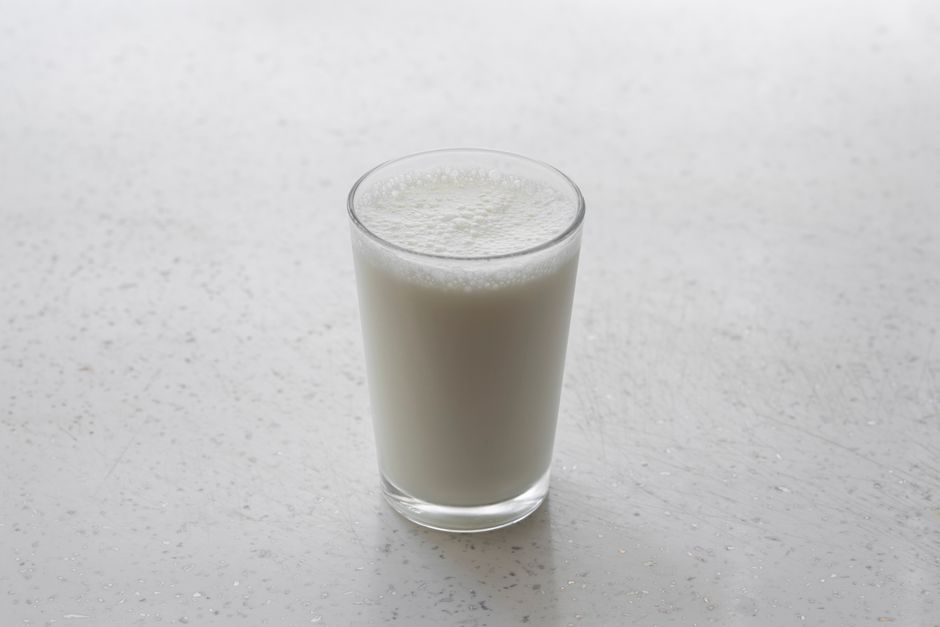
Are Milk Good for Weight Loss?
Most people assume they must give up milk to lose weight, but that assumption often backfires. The truth is that milk can be part of a weight loss plan, but the type, portion, and timing matter more than most people realize. So, are milk good for weight loss? The direct answer is yes, when consumed in controlled portions, milk can support weight loss because its protein and fat help you feel full, though whole milk packs more calories than skim or low-fat options.
This question generates endless confusion because nutrition advice about dairy keeps shifting. Some experts point to studies linking dairy intake to lower body weight, while others warn about the calories hiding in your morning latte. The confusion is understandable. Milk sits in a strange middle ground — it is a beverage, but it behaves more like a food because it contains protein, fat, and carbohydrates.
This article breaks down what the research actually says about milk and weight management. You will learn how many calories are in different milk types, how milk affects hunger hormones, and practical ways to keep milk in your diet without sabotaging your progress. We will also address common myths about dairy and weight loss that keep circulating online.
Quick note: Your daily calorie needs depend on your age, activity level, and current weight. Use the TDEE Calculator to find your maintenance calories before adjusting your milk intake.
Key Points at a Glance
| Point | What It Means | Why It Matters |
|---|---|---|
| Calorie density | Whole milk has roughly 150 calories per cup; skim has about 83 | Choosing lower-fat milk saves calories without losing protein |
| Protein content | One cup provides 8 grams of protein | Protein increases fullness and preserves muscle during weight loss |
| Satiety effect | Milk’s combination of protein and fat reduces hunger | You may eat less later in the day |
| Portion control | One serving is one cup, not the whole bottle | Measuring prevents accidental calorie surplus |
| Calcium link | Some studies connect calcium intake with healthier body weight | Evidence is mixed, but calcium is essential regardless |
What Does the Research Say About Milk and Weight Loss?
Research on dairy and weight management shows a complex picture. Some observational studies have found that people who consume dairy products tend to have lower body weight and less belly fat. However, these studies cannot prove that milk causes weight loss — they only show a correlation. Clinical trials where researchers add milk to people’s diets have produced mixed results, with some showing modest benefits and others showing no effect.
One consistent finding is that dairy protein, particularly whey and casein, promotes satiety. A study published in the American Journal of Clinical Nutrition found that whey protein reduced food intake at a subsequent meal compared to carbohydrate drinks. This suggests that the protein in milk can help control appetite, which supports weight management indirectly.
I always tell my readers to focus on what they add milk to, not just the milk itself. A splash of milk in coffee is harmless, but a 400-calorie caramel latte is a different story entirely.
How Many Calories Are in Different Types of Milk?
Calorie differences between milk types are significant. One cup of whole milk contains roughly 150 calories, while 2% milk has about 122, 1% has about 102, and skim milk has about 83. These numbers come from USDA food composition data and vary slightly by brand. The protein content stays consistent at around 8 grams per cup across all types.
For someone eating 1,500 calories per day, swapping whole milk for skim saves about 67 calories per cup. Over a week, that adds up to nearly 500 calories — enough to make a noticeable difference on the scale. But skim milk is less satisfying, so some people compensate by eating more food later.
Practical advice: Choose 1% or 2% milk as a middle ground. You get more flavor than skim and fewer calories than whole, and the fat helps you feel satisfied.
Does Milk Help You Feel Fuller Than Other Drinks?
Milk outperforms most other beverages when it comes to satiety. Research shows that liquid calories from sugary drinks do not trigger the same fullness signals as solid food, but milk behaves differently. Its protein and fat content activate hormones that signal fullness to your brain, which is why a glass of milk keeps you satisfied longer than a glass of orange juice with the same calories.
Some studies indicate that dairy products may increase levels of GLP-1, a hormone that reduces appetite. The effect is modest, but it helps explain why people often report feeling satisfied after consuming milk. This is one reason why milk is a better choice than juice, soda, or sweetened coffee drinks during weight loss.
In my experience, clients who drink a glass of milk with breakfast report less mid-morning snacking. That simple swap often cuts 200 to 300 calories from their day without any conscious effort.
Are Milk Good for Weight Loss or Should You Avoid Dairy?
Are milk good for weight loss depends heavily on your overall diet context. If you replace a sugary drink with milk, you will likely lose weight. If you add milk on top of your current diet without adjusting anything else, you will gain weight. The math is straightforward — weight loss requires a calorie deficit, and milk contributes calories to that equation.
Some people worry about lactose or dairy sensitivity. If you experience bloating, gas, or digestive discomfort after drinking milk, lactose-free options or plant-based milks may work better. Unsweetened almond milk has about 30 calories per cup, while soy milk has around 80. These alternatives lack the protein of cow’s milk, so they do not provide the same satiety benefit.
No strong clinical evidence currently supports the claim that dairy prevents weight loss. The evidence is mixed, and individual responses vary. What matters most is whether milk fits into your daily calorie target.
How to Include Milk in a Weight Loss Diet
Start by measuring your portions. One serving of milk is one cup, which is smaller than most people assume. Use a measuring cup for the first few weeks until you can eyeball the portion correctly. This habit alone prevents hundreds of accidental calories per week.
Use milk strategically. Drink it with meals rather than between meals, because the protein and fat will help you eat less at that meal. Add it to smoothies, oatmeal, or coffee instead of drinking it alone. If you use milk in cooking, count those calories in your daily total.
Track your intake for one week using a food app. You may be surprised by how much milk you actually consume. Many people drink two or three cups daily without realizing it, which adds 250 to 450 calories.
My best tip: Use the TDEE Calculator to find your maintenance calories, then subtract 300 to 500 calories for weight loss. Fit milk into that number instead of trying to eliminate it completely.
What About Chocolate Milk or Flavored Milk?
Chocolate milk contains added sugar, which roughly doubles the calorie count compared to plain milk. An 8-ounce serving of chocolate milk has about 190 to 210 calories, depending on the brand. That is not automatically bad, but it is worth treating as a treat rather than a staple.
Some athletes drink chocolate milk after workouts because it provides carbohydrates and protein. This is a legitimate use, but it only makes sense if you are exercising intensely. For general weight loss, plain milk is the better choice because it offers protein without the extra sugar.
If you crave flavored milk, try adding a small amount of vanilla extract or cinnamon to plain milk. These add flavor without calories and can satisfy the craving.
Related Articles
Frequently Asked Questions
Are milk good for weight loss or weight gain?
Milk can support weight loss when consumed in portions that fit your calorie target. Drinking excessive amounts of milk will cause weight gain because it adds calories.
Which type of milk is best for weight loss?
Skim or 1% milk has the fewest calories while providing the same protein as whole milk. Choose 1% if you want better flavor and satiety than skim.
How much milk can I drink per day while losing weight?
One to two cups per day is reasonable for most people on a weight loss diet. This provides protein and calcium while leaving room for other foods.
Does drinking milk at night cause weight gain?
Drinking milk at night only causes weight gain if it pushes you over your daily calorie limit. The timing of your milk intake matters less than your total daily calories.
Is lactose-free milk better for weight loss than regular milk?
Lactose-free milk has nearly the same calories and protein as regular milk. It is only better if you have lactose intolerance and experience digestive issues.
Can I drink milk instead of eating a meal for weight loss?
Using milk as a meal replacement is not recommended because it lacks sufficient fiber and other nutrients. It is better to drink milk alongside balanced meals.
Milk is not the enemy of weight loss, but it is also not a magic bullet. The evidence supports including milk in moderate amounts as part of a balanced diet, provided you account for its calories. Start by measuring your portions and tracking your intake for a week. Then adjust the type and amount of milk based on how your body responds.
Every person responds differently to dairy, so pay attention to how you feel. If milk keeps you full and satisfied, keep it. If it triggers cravings or digestive issues, reduce or eliminate it. Your weight loss plan should work for your life, not the other way around.

The TDEECAL Team writes about nutrition, metabolism, and fat loss the way we built our calculator, with real numbers and no hype. We dig into the research so you don’t have to guess.