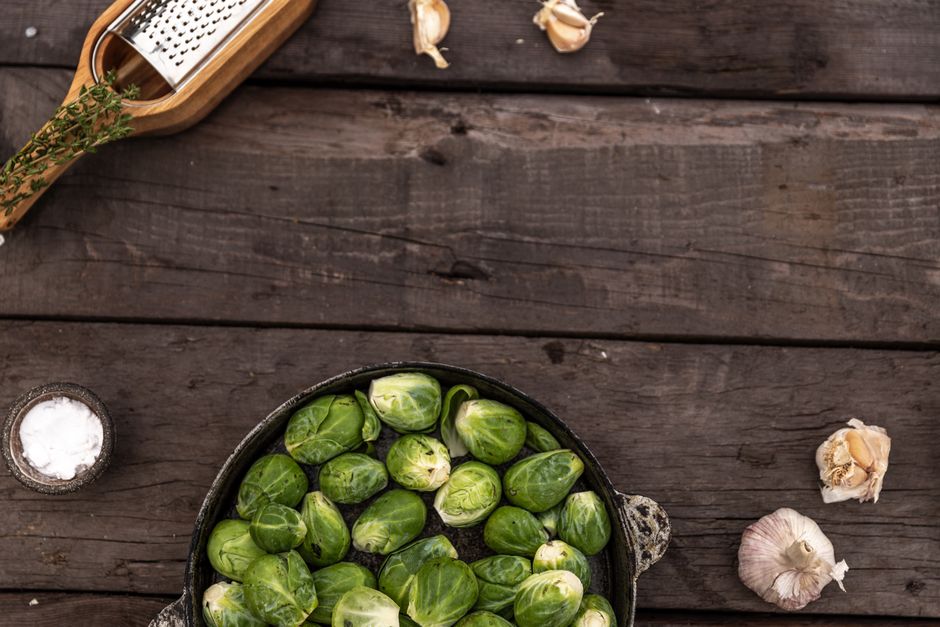
Most people assume any vegetable is a safe late-night snack, but Brussels sprouts have a specific nutritional profile that makes them a genuinely smart choice after dark.
Yes, Brussels sprouts are good for weight loss at night. They are low in calories, high in fiber, and contain a good amount of protein for a vegetable. A cup of cooked Brussels sprouts has roughly 70 calories, which makes them a filling choice that won’t derail your daily calorie goals. Their fiber content helps slow digestion, which can keep you satisfied until morning.
The challenge with late-night eating isn’t just the food itself—it’s the portion control and preparation methods that usually go wrong. Most people don’t need to avoid eating after dinner entirely. They need better options when hunger strikes at 9 p.m. This article covers the actual science behind Brussels sprouts for weight loss, the best ways to prepare them at night, and what to avoid if you want results.
You won’t find generic advice about “eating more vegetables” here. Instead, you’ll get specific numbers, realistic portion guidance, and honest answers about whether this cruciferous vegetable deserves a spot in your evening routine.
Key Points at a Glance
| Point | What It Means | Why It Matters |
|---|---|---|
| Calorie density | About 70 calories per cooked cup | Fits easily into a weight loss plan without strict measuring |
| Fiber content | 4 grams per cooked cup | Slows digestion and reduces late-night cravings |
| Protein | 3 grams per cooked cup | Unusually high for a vegetable, supports satiety |
| Preparation method | Roasting or air-frying beats boiling | Boiling makes them watery and less satisfying |
| Timing | Eat 1–2 hours before bed | Allows digestion to settle and avoids sleep disruption |
What the Research Says About Brussels Sprouts and Weight Loss
Research consistently shows that high-fiber vegetables support weight management. Fiber increases the volume of food in your stomach without adding many calories, which triggers fullness signals earlier in a meal. Brussels sprouts deliver 4 grams of fiber per cooked cup, which is roughly 14% of the daily recommended intake for adult women.
Some studies suggest that cruciferous vegetables like Brussels sprouts may have additional metabolic benefits beyond their fiber content. They contain compounds called glucosinolates, which some research indicates could influence how your body processes fat. The evidence here is still developing, and no study has confirmed that Brussels sprouts directly speed up metabolism.
I always keep a bag of pre-trimmed sprouts in my fridge for nights when I know I’ll want a snack. Having them washed and ready makes the difference between reaching for these and grabbing crackers.
How Many Calories Are in Brussels Sprouts at Night?
A cup of cooked Brussels sprouts contains roughly 70 calories, 3 grams of protein, and 4 grams of fiber, according to USDA nutritional data. The exact number depends on how you prepare them. Roasting with oil adds about 40 calories per teaspoon of oil, while steaming or air-frying without oil keeps the calorie count closer to 56 calories per cup.
The protein content matters more than most people realize. Protein is the most satiating macronutrient, and getting 3 grams from a vegetable is uncommon. This makes Brussels sprouts a better late-night option than most other vegetables, which typically contain less than 2 grams per serving.
For a satisfying evening portion, aim for one to one and a half cups. That gives you roughly 70 to 105 calories before any added fat, which is well within a reasonable evening snack range.
Are Brussel Sprouts Good for Weight Loss at Night Compared to Other Snacks?
Compared to common late-night options, Brussels sprouts win on almost every metric. A cup of ice cream has about 270 calories and 4 grams of fiber. A small bag of chips has about 160 calories and 1 gram of fiber. A cup of Brussels sprouts has 70 calories and 4 grams of fiber, with triple the protein of chips.
The comparison gets more interesting when you look at other vegetables. Broccoli and cauliflower have similar calorie counts, but Brussels sprouts contain more protein per serving. That extra protein makes a measurable difference in how full you feel an hour later.
The key is preparation. Deep-fried Brussels sprouts with bacon and cheese sauce can easily reach 300 calories per serving. Roasted with a teaspoon of olive oil and salt, they stay under 120 calories.
If you’re tracking calories for weight loss, use a TDEE calculator to find your maintenance number first. Then subtract 300–500 calories to create a sustainable deficit. Brussels sprouts can fill that gap without leaving you hungry.
Best Ways to Prepare Brussels Sprouts for a Late-Night Snack
Roasting brings out the natural sweetness of Brussels sprouts, which makes them taste better without added sugar. Toss them with a teaspoon of olive oil, salt, and pepper, then roast at 400°F for 20 minutes. The outer leaves crisp up while the inside stays tender.
Air-frying works just as well and uses less oil. Set the air fryer to 375°F and cook for 12–15 minutes, shaking halfway through. The texture comes out similar to roasting with about half the fat.
Steaming is the lowest-calorie method but produces a softer texture that some people find less appealing. If you steam, add a squeeze of lemon juice and a pinch of salt afterward to boost flavor without calories.
One thing I’ve learned from cooking these for years: cut them in half before roasting. Whole sprouts take longer and often end up mushy on the inside. Halving them gives you more crispy surface area and a better texture overall.
Can Eating Brussels Sprouts at Night Disrupt Your Sleep?
Some people worry that eating any vegetable before bed causes digestive discomfort. Brussels sprouts contain raffinose, a type of carbohydrate that can cause gas in some people. If you’re not used to eating them regularly, start with a half-cup portion and see how your body responds.
Eating a large meal right before bed can interfere with sleep quality, but a small vegetable snack is unlikely to cause problems. Aim to finish your snack at least one hour before lying down. This gives your stomach time to begin digesting and reduces the chance of acid reflux.
There is no strong clinical evidence that Brussels sprouts specifically harm sleep. The bigger risk is eating a heavy, high-fat meal late at night, which can disrupt sleep regardless of the vegetable content.
Practical Tips for Making Brussels Sprouts Part of Your Evening Routine
Prep them in advance. Wash, trim, and halve a batch on Sunday, then store them in an airtight container. When evening hunger hits, you’re only five minutes away from a cooked snack.
Pair them with a small protein source if you’re very hungry. A few slices of turkey or a boiled egg adds 10–15 grams of protein and makes the snack more substantial. This combination works well for people who find vegetables alone don’t satisfy them.
Keep portions realistic. One to one and a half cups is a reasonable evening serving. Eating three cups won’t hurt you, but it may cause bloating and could push you over your calorie target if prepared with oil.
If you’re eating Brussels sprouts as part of your dinner rather than as a snack, they work well alongside lean protein like chicken or fish. The fiber helps you feel full faster, which naturally reduces your portion of higher-calorie foods on the same plate.
Related Articles
Frequently Asked Questions
Can I eat Brussels sprouts every night for weight loss?
Yes, eating them nightly is safe for most people. Rotating in other vegetables like broccoli and green beans prevents boredom and ensures a wider range of nutrients.
Are frozen Brussels sprouts as good as fresh ones?
Frozen sprouts have nearly identical nutritional value to fresh ones. The texture is slightly softer after cooking, which matters less when you roast or air-fry them.
Will Brussels sprouts cause bloating at night?
Some people experience gas because Brussels sprouts contain raffinose, a carbohydrate that ferments in the gut. Starting with a half-cup portion and cooking them thoroughly reduces this effect.
How many Brussels sprouts should I eat for a late-night snack?
One to one and a half cups, or roughly 8 to 12 medium sprouts, is a reasonable portion. This provides about 70 to 105 calories and enough fiber to keep you satisfied.
Is it better to eat Brussels sprouts raw or cooked at night?
Cooked sprouts are easier to digest and more satisfying than raw ones. Roasting or air-frying also improves the flavor without adding significant calories.
Can Brussels sprouts replace a full dinner for weight loss?
No, they don’t provide enough protein or healthy fats to function as a complete meal. Use them as a side dish or snack, not a dinner replacement.
Brussels sprouts are a solid choice for late-night eating when you’re trying to lose weight. They’re low in calories, high in fiber, and more filling than most snack alternatives. The preparation method determines whether they help or hurt your goals, so stick to roasting, air-frying, or steaming with minimal oil.
Use the TDEE calculator to set your daily calorie target, then let Brussels sprouts fill the gap when evening hunger strikes.

The TDEECAL Team writes about nutrition, metabolism, and fat loss the way we built our calculator, with real numbers and no hype. We dig into the research so you don’t have to guess.