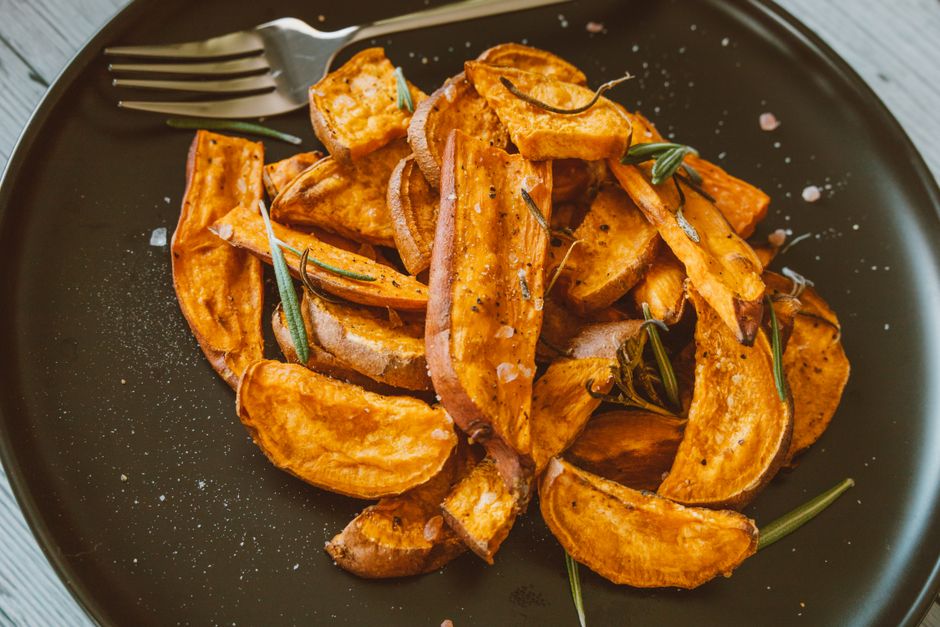
Most people assume starchy vegetables are the enemy of weight loss, but sweet potatoes tell a different story. The quick answer is yes—sweet potato is ok for weight loss when eaten in reasonable portions as part of a balanced diet.
Sweet potatoes are nutrient-dense, high in fiber, and surprisingly filling for their calorie count. A medium baked sweet potato has roughly 100 to 110 calories, about 4 grams of fiber, and a significant amount of vitamin A. They also have a lower glycemic index than white potatoes, which means they cause a slower, steadier rise in blood sugar.
This matters because blood sugar spikes trigger insulin release, and high insulin levels can promote fat storage. Choosing foods that keep blood sugar stable helps you feel satisfied longer and reduces the urge to snack soon after meals. That is the real reason sweet potatoes show up in so many weight loss meal plans.
What most generic advice misses is that preparation matters more than the potato itself. A boiled or roasted sweet potato with a little olive oil is very different from a deep-fried sweet potato fry. The cooking method, portion size, and what you add to it determine whether this food helps or hurts your goals.
Key Points at a Glance
| Point | What It Means | Why It Matters |
|---|---|---|
| Calorie content | Medium sweet potato: roughly 100–110 calories | Fits easily into a calorie-controlled diet |
| Fiber | About 4 grams per medium potato | Increases fullness and slows digestion |
| Glycemic index | Lower than white potatoes | Produces a gentler blood sugar response |
| Nutrient density | High in vitamin A, potassium, and vitamin C | Provides nutrition without excess calories |
| Preparation impact | Boiling or roasting is better than frying | Frying adds significant calories and fat |
Is Sweet Potato Ok for Weight Loss Compared to White Potatoes?
Research consistently shows that both sweet and white potatoes can fit into a weight loss diet. The difference comes down to how they affect fullness and blood sugar. Sweet potatoes have more fiber and a lower glycemic index, which gives them a slight edge for appetite control.
A study in the Journal of the American College of Nutrition compared the two and found sweet potatoes were more satiating than white potatoes. That means participants felt fuller after eating sweet potatoes, even when calorie content was similar. I have noticed this in my own kitchen too—a roasted sweet potato with the skin on keeps me satisfied for hours, while a white potato leaves me looking for something else within an hour.
How Many Calories Are in a Sweet Potato?
The calorie count depends on size and cooking method. A small sweet potato (about 100 grams) has roughly 90 calories, while a large one (about 200 grams) can reach 180 calories. Baking or boiling adds no calories, but butter, oil, marshmallows, or brown sugar add a significant amount.
One tablespoon of butter adds about 100 calories, and a quarter cup of brown sugar adds roughly 200 calories. A plain sweet potato is a low-calorie, high-volume food. A sweet potato loaded with toppings becomes a different meal entirely. The potato is rarely the problem—the toppings are.
What Is the Best Way to Eat Sweet Potatoes for Weight Loss?
Boiling, steaming, or roasting are the best methods for weight loss because they add minimal calories. Boiled sweet potatoes actually have a lower glycemic index than roasted ones, according to some research. This is because boiling breaks down the starches differently and makes them more slowly digestible.
Pairing sweet potatoes with protein and healthy fats also helps stabilize blood sugar. Try them with grilled chicken, black beans, or a dollop of Greek yogurt instead of butter. The protein and fat slow digestion further and extend fullness. A simple bowl of roasted sweet potato cubes, black beans, and salsa makes a satisfying meal under 400 calories.
Can You Eat Sweet Potatoes Every Day While Losing Weight?
You can eat sweet potatoes daily as long as your total calorie intake supports your weight loss goals. No single food causes weight gain—only a consistent calorie surplus does. Sweet potatoes are versatile enough that daily consumption rarely becomes boring.
That said, variety still matters for overall nutrition. Eating the same food every day means you might miss nutrients found in other vegetables. Rotate sweet potatoes with leafy greens, cruciferous vegetables, and other colorful produce throughout the week. This approach keeps your meals interesting and your nutrient intake broad.
Do Sweet Potatoes Spike Blood Sugar?
Sweet potatoes raise blood sugar, but less dramatically than many other carbohydrate sources. Their fiber content slows sugar absorption, and their natural sugars are released gradually during digestion. The glycemic index of a boiled sweet potato is around 44 to 50, which is considered low to medium.
People with diabetes or insulin resistance should still watch portion sizes. A good rule is to keep sweet potato servings to about half a cup to one cup per meal and pair them with protein and vegetables. This combination produces a much gentler blood sugar response than eating sweet potatoes alone.
How Does Sweet Potato Fit Into a Calorie Deficit?
Weight loss happens when you consistently eat fewer calories than your body burns. Sweet potatoes help because they provide substantial volume and fiber for relatively few calories. One cup of cubed, boiled sweet potato has about 115 calories and 4 grams of fiber, making it one of the most filling carbohydrate options available.
To know exactly how sweet potatoes fit into your daily calorie target, use a TDEE calculator to determine your maintenance calories. Subtract 300 to 500 calories from that number for a sustainable deficit, and plan your meals around that target. A serving of sweet potato fits comfortably into nearly any weight loss plan.
Related Articles
Frequently Asked Questions
Can I eat sweet potatoes at night while dieting?
Yes, eating sweet potatoes at night does not prevent weight loss. What matters is your total calorie intake for the day, not the time you eat.
Are sweet potatoes better than rice for weight loss?
Sweet potatoes generally have more fiber and more nutrients than white rice for a similar calorie count. Both can fit in a weight loss diet, but sweet potatoes offer more fullness per calorie.
How much sweet potato can I eat per day on a diet?
A reasonable serving is one medium sweet potato, which is about 100 to 110 calories. You can eat more if it fits within your daily calorie target.
Do sweet potatoes make you gain belly fat?
No food alone causes belly fat gain. Weight gain happens from eating more calories than you burn, regardless of the food source.
Is a sweet potato a good pre-workout meal?
Yes, sweet potatoes provide steady carbohydrates that fuel exercise without causing a rapid blood sugar crash. Eat them about one to two hours before your workout for best results.
Can sweet potatoes help reduce sugar cravings?
Their natural sweetness and fiber content can satisfy a sweet craving while keeping blood sugar stable. This makes them a smart swap for processed sweets.

The TDEECAL Team writes about nutrition, metabolism, and fat loss the way we built our calculator, with real numbers and no hype. We dig into the research so you don’t have to guess.