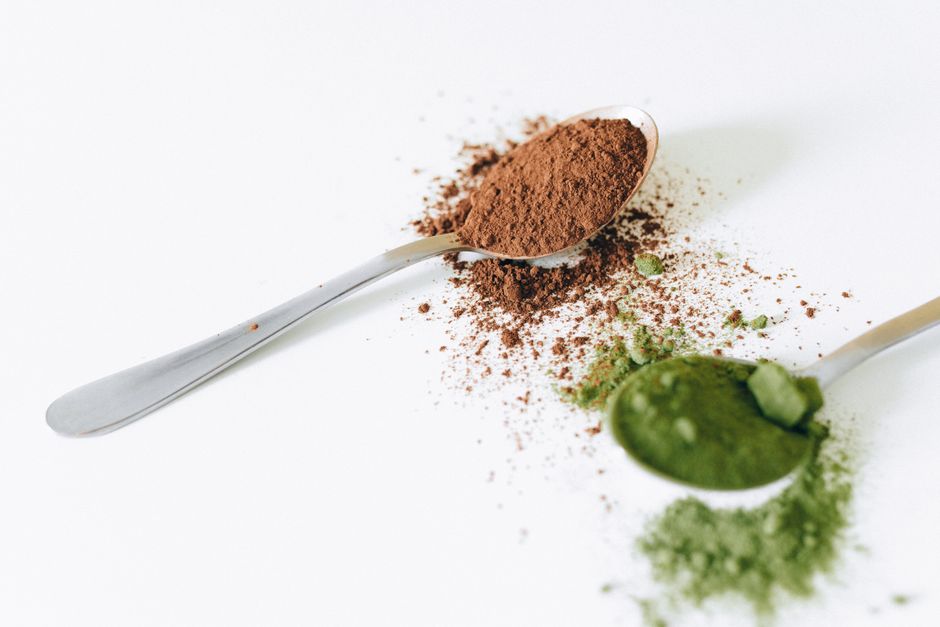
Is Triphala Powder Good for Weight Loss?
Triphala is an ancient Ayurvedic herbal blend that has been used for thousands of years. But does it actually help with weight loss, or is that just wellness marketing? The honest answer is that the evidence is still limited, though some research points to real potential benefits.
Is triphala powder good for weight loss? Some studies suggest triphala may support weight management, but strong clinical evidence is still limited. The blend appears to help with digestion and blood sugar control, which can indirectly support weight loss efforts. However, triphala is not a magic solution and works best alongside a balanced diet and regular activity.
Most articles on triphala either oversell it as a miracle fat burner or dismiss it entirely. The truth sits somewhere in between. This guide breaks down what the research actually shows, how to use triphala safely, and what you can realistically expect.
Key Points at a Glance
| Point | What It Means | Why It Matters |
|---|---|---|
| Limited clinical evidence | Few high-quality human studies on triphala and weight loss | Be cautious about dramatic claims you see online |
| Digestive support | May improve gut motility and regularity | Better digestion can reduce bloating and support healthy habits |
| Blood sugar effects | Some research shows improved glucose control | Stable blood sugar reduces cravings and overeating |
| Not a standalone solution | Works best with diet and exercise changes | No supplement replaces sustainable lifestyle habits |
What Is Triphala and How Does It Work?
Triphala is a traditional Ayurvedic formulation made from three fruits: amla, bibhitaki, and haritaki. The name literally means “three fruits” in Sanskrit. Each fruit brings different properties, and together they are believed to balance the body.
The blend is most commonly used for digestive health. Research published in the Journal of Ayurveda and Integrative Medicine has examined its effects on gut function. Some studies indicate that triphala may help regulate bowel movements and reduce inflammation in the digestive tract.
I always tell clients that triphala is not a stimulant like caffeine-based diet pills. It works more gently, supporting the systems that help your body process food efficiently. That distinction matters if you are expecting an energy boost or rapid fat burning.
What Does the Research Say About Triphala and Weight?
The clinical evidence on triphala for weight loss specifically is thin. Most studies have been small, short-term, or conducted on animals. One animal study published in the Journal of Medicinal Food found that triphala reduced body weight and fat accumulation in obese rats.
Human research is more limited. A small study in the International Journal of Research in Ayurveda and Pharmacy examined overweight adults taking triphala for 12 weeks. Participants showed modest reductions in weight and waist circumference, but the study lacked a control group, so results must be interpreted carefully.
The evidence is mixed overall. Some studies suggest benefits, while others show no significant effect. What seems clearer is that triphala may help with metabolic markers like blood sugar and cholesterol, which are closely tied to weight management.
How to Use Triphala Powder Safely
Triphala powder is typically taken in doses of 3 to 6 grams per day. No established clinical guideline exists for weight loss specifically, so start with a smaller amount like 1 to 2 grams and see how your body responds. It is commonly taken at bedtime or first thing in the morning on an empty stomach.
The powder has a strong, earthy taste that some people find challenging. I mix mine into warm water with a little lemon and honey — it makes a noticeable difference in palatability. You can also find triphala in capsule form, which is easier for many people.
Are There Side Effects or Risks?
Triphala is generally considered safe for most healthy adults when taken in recommended amounts. The most common side effects are mild digestive discomfort, loose stools, or cramping, especially when starting out. These usually resolve within a few days as your body adjusts.
Some people should avoid triphala entirely. Pregnant women, nursing mothers, and children should not take it due to lack of safety research. If you have chronic digestive conditions like Crohn’s disease or ulcerative colitis, talk to your doctor first, as triphala can stimulate bowel activity.
Because triphala may affect blood sugar, anyone taking diabetes medication should monitor their glucose levels closely. It could enhance the effects of your medication and cause low blood sugar. Always inform your healthcare provider before adding any herbal supplement to your routine.
Does Triphala Replace Diet and Exercise?
No. No supplement replaces the fundamentals of weight loss. Research consistently shows that a modest calorie deficit combined with regular physical activity remains the most reliable approach for sustainable weight loss.
Triphala might support your efforts by improving digestion and helping with blood sugar stability. Some people report feeling less bloated and having fewer cravings when taking it regularly. These indirect effects can make sticking to a healthy eating plan easier.
Think of triphala as a small assist, not the main player. If your diet is built on ultra-processed foods and your activity level is minimal, no herbal blend will fix that. Use it as one tool in a broader strategy that includes real food and movement you enjoy.
What Should You Expect Realistically?
If you decide to try triphala, keep your expectations grounded. Modest results are the most likely outcome, and those results may come from improved digestion rather than direct fat burning. Some people notice no difference at all.
Weight loss of one to two pounds per week is considered healthy and sustainable. Triphala is not going to accelerate that dramatically. What it might do is make the process more comfortable by reducing bloating and supporting regular digestion.
I have seen clients who felt genuinely better on triphala — more regular, less puffy, more comfortable after meals. Those are real benefits even if the scale does not move dramatically. Pay attention to how you feel, not just the number.
Related Articles
Frequently Asked Questions
Is triphala powder good for weight loss?
Some studies suggest triphala may support weight management, but strong clinical evidence is still limited. It appears to help with digestion and blood sugar control, which can indirectly support weight loss efforts.
How long does it take to see results with triphala?
Most research studies last 8 to 12 weeks, so give it at least a month of consistent use. Individual results vary widely depending on your diet, activity level, and body composition.
Can I take triphala every day?
Traditional Ayurvedic practice uses triphala daily for extended periods, but long-term safety data is limited. It is generally considered safe for healthy adults, though cycling off for a week each month is a common approach.
Does triphala suppress appetite?
No strong clinical evidence currently supports triphala as an appetite suppressant. Some users report fewer cravings, but this may be related to improved blood sugar stability rather than direct appetite control.
Is triphala safe with other medications?
Triphala may interact with blood sugar medications, blood thinners, and certain antibiotics. Always consult your healthcare provider before combining triphala with prescription medications.
What is the best time of day to take triphala?
Traditional practice suggests taking triphala on an empty stomach, either first thing in the morning or at bedtime. Consistency matters more than the specific time, so choose a routine you can maintain daily.
Use our TDEE calculator to find your maintenance calories and build a realistic plan around your goals. This gives you a solid foundation that any supplement can only build upon.

The TDEECAL Team writes about nutrition, metabolism, and fat loss the way we built our calculator, with real numbers and no hype. We dig into the research so you don’t have to guess.