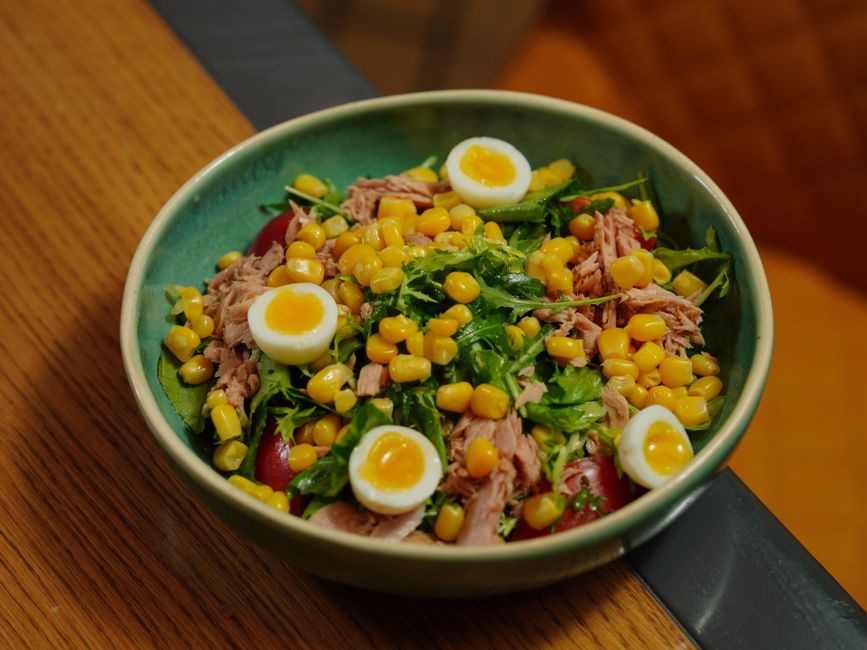
Is Tuna and Salad Good for Weight Loss?
You’ve probably heard this combo called a “diet staple” more times than you can count. But is tuna and salad good for weight loss, or is it just another boring health-food myth that leaves you hungry by 3 p.m.?
Yes, is tuna and salad good for weight loss — when built correctly, this meal is one of the most effective weight-loss combinations available. A standard tuna salad with leafy greens delivers roughly 250 to 350 calories, 30-plus grams of protein, and enough fiber to keep you full for hours. The key is how you build it, because drowning tuna in mayonnaise or skipping the vegetables entirely changes the whole picture.
Most weight-loss advice swings between extreme restriction and complicated meal plans that are impossible to maintain. This article cuts through the noise. You’ll learn exactly what makes tuna and salad work, where the common mistakes hide, and how to build a version that actually fits your daily calorie budget.
I’ve spent years analyzing nutrition research, and I still eat this meal several times a week. The difference between a tuna salad that helps you lose weight and one that stalls your progress comes down to a few specific choices you’ll learn below.
Quick reality check: No single food causes weight loss. Calorie balance does. Tuna and salad simply make that balance much easier to achieve because they’re high in protein, low in calories, and filling.
Key Points at a Glance
| Point | What It Means | Why It Matters |
|---|---|---|
| Protein content | One can of tuna provides about 20-25 grams of protein | Protein preserves muscle and keeps you full longer than carbs or fat |
| Calorie density | A basic tuna salad with greens is roughly 250-350 calories | Low calorie density means you eat more food for fewer calories |
| Mayonnaise trap | 2 tablespoons of mayo adds about 180 calories and 20 grams of fat | This one ingredient can double your meal’s calorie count |
| Mercury consideration | Light tuna is lower in mercury than albacore | Guidance suggests limiting tuna to a few servings per week |
| Vegetable variety | Dark leafy greens provide fiber and volume for few calories | Fiber slows digestion and supports steady blood sugar |
What Makes Tuna and Salad Effective for Weight Loss?
Tuna is one of the leanest protein sources available. A 3-ounce serving of canned light tuna packed in water contains roughly 90 to 100 calories and about 20 grams of protein. Research consistently shows that high-protein meals increase satiety — the feeling of fullness — more than meals dominated by carbohydrates or fat.
Salad greens add volume without adding meaningful calories. A full two cups of romaine lettuce provides about 16 calories and 2 grams of fiber. That combination of protein and fiber is the foundation of any effective weight-loss meal because it addresses hunger at both a hormonal and physical level.
My personal note: I always add a pinch of salt and a squeeze of lemon to the greens before adding tuna. It makes a noticeable difference in how satisfying the whole bowl tastes without adding calories.
What Are the Most Common Mistakes That Ruin This Meal?
The biggest mistake is assuming all tuna salads are created equal. A restaurant-style tuna salad sandwich or a loaded “salad bowl” can easily reach 700 to 800 calories. The culprits are usually mayonnaise, cheese, croutons, candied nuts, and creamy dressings.
Another frequent error is choosing tuna packed in oil. Oil-packed tuna contains roughly 70 to 100 more calories per can than water-packed versions. That difference might not seem large, but it adds up to about a pound of extra fat over a month if you eat this meal daily.
The third mistake is skipping vegetables entirely. Some people just eat tuna straight from the can and call it a diet. That approach works for protein intake, but you miss the fiber and volume that make the salad version so effective for long-term satiety.
How Should You Build a Weight-Loss Tuna Salad?
Start with a base of two to three cups of dark leafy greens like spinach or romaine. Add your protein: one 5-ounce can of light tuna packed in water, which provides roughly 20 to 25 grams of protein for about 100 to 120 calories.
For the dressing, swap mayonnaise for Greek yogurt or a simple vinaigrette. Two tablespoons of plain nonfat Greek yogurt adds about 15 calories and 3 grams of protein, compared to 180 calories in the same amount of full-fat mayo. Add vegetables like cucumber, bell peppers, cherry tomatoes, and red onion for extra fiber and crunch.
Practical tip: A 3-tablespoon serving of olive oil-based vinaigrette adds roughly 150 calories. Measure it once to see what that looks like on your salad — most people underestimate by double.
How Often Can You Eat Tuna and Salad Each Week?
Mercury is the main limiting factor. Canned light tuna is lower in mercury than albacore or fresh tuna steaks. Established guidance from health authorities suggests that adults can safely eat light tuna a few times per week without concern.
For albacore tuna, the recommendation is more conservative — generally no more than one serving per week for adults. If you’re pregnant, breastfeeding, or feeding children, follow stricter guidance and choose lower-mercury fish options more often.
If you want to eat this meal daily, alternate tuna with other lean proteins like grilled chicken, hard-boiled eggs, or canned salmon. That variety keeps your mercury exposure low and prevents taste fatigue from setting in.
Is Tuna and Salad Good for Weight Loss Compared to Other Meals?
Compared to most restaurant meals, fast food, or processed frozen dinners, a homemade tuna salad is almost always the better choice for weight loss. It provides more protein per calorie than most alternatives and contains no hidden sugars or refined grains.
Compared to other homemade diet meals, tuna and salad holds its own. It’s faster to prepare than grilled chicken with vegetables and requires no cooking at all. That convenience matters because research consistently shows that sustainable habits beat perfect meal choices over the long term.
Use a TDEE calculator to find your maintenance calories, then build this meal to fit your specific deficit. That’s the difference between following generic advice and actually losing weight at a pace that works for your body.
Related Articles
Frequently Asked Questions
Is tuna and salad good for weight loss every day?
Yes, but alternate light tuna with other proteins to manage mercury exposure. Light tuna is safe for most adults a few times weekly, while albacore should be limited to once per week.
How many calories are in tuna and salad?
A basic version with water-packed light tuna, two cups of greens, and a light vinaigrette contains roughly 250 to 350 calories. Adding mayonnaise, cheese, or croutons can push it above 600 calories.
Is canned tuna good for weight loss?
Canned light tuna packed in water is one of the leanest protein sources available at about 100 calories and 20 grams of protein per serving. Choose water-packed over oil-packed to save 70 to 100 calories per can.
What should I put in tuna salad for weight loss?
Use Greek yogurt instead of mayonnaise, add plenty of vegetables, and choose a light vinaigrette or lemon juice for flavor. Avoid croutons, cheese, and creamy dressings that add calories without much nutritional value.
Can I eat tuna salad at night for weight loss?
Yes, eating tuna salad at night is fine for weight loss as long as it fits your daily calorie budget. Protein before bed may even support muscle preservation during sleep.
Does tuna salad make you gain weight?
No, tuna salad only causes weight gain if it pushes you above your maintenance calories. A mayo-heavy restaurant version can do that, but a homemade version with Greek yogurt and vegetables rarely will.

The TDEECAL Team writes about nutrition, metabolism, and fat loss the way we built our calculator, with real numbers and no hype. We dig into the research so you don’t have to guess.