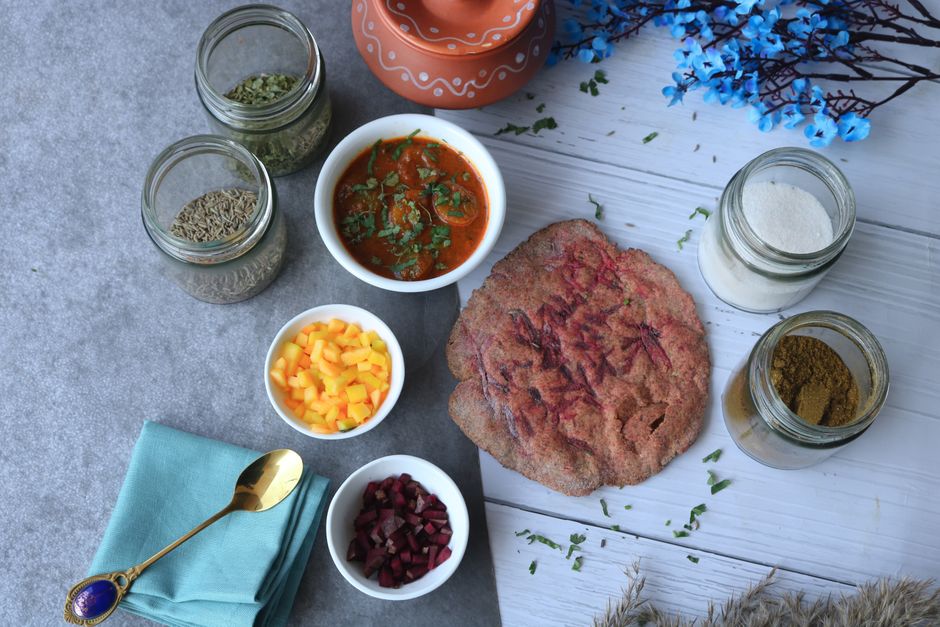
Which Roti Actually Helps With Weight Loss?
Most people assume all rotis are the same. They are not. The difference between a weight-loss-friendly roti and one that works against you comes down to three things: the flour you choose, how you make it, and what you eat with it.
The best roti for weight loss is one made from whole grain flour like jowar (sorghum), bajra (pearl millet), or whole wheat atta, prepared without oil or ghee, and eaten with a protein-rich side. These flours have more fiber and a lower glycemic index than refined white flour, which means they keep your blood sugar steadier and help you feel full longer. No single roti will melt fat by itself, but choosing the right base flour is the single biggest decision you can make.
Most weight loss advice stops at “swap white bread for whole wheat.” That misses the bigger picture. What matters is how the roti fits into your total plate, how many you eat, and whether your body actually digests that grain well. This article covers the flours with the strongest evidence behind them, the portion sizes that make sense, and the common mistakes that turn a healthy roti into a calorie bomb.
Key Points at a Glance
| Point | What It Means | Why It Matters |
|---|---|---|
| Whole grains beat refined | Jowar, bajra, and whole wheat have more fiber than maida | Fiber slows digestion and keeps you full for hours |
| Portion control matters | 1-2 medium rotis per meal is a reasonable serving | Even healthy rotis have calories that add up |
| Preparation changes everything | Oil, ghee, or butter on top adds 50-100 calories per roti | Dry rotis are significantly lower in calories |
| Protein pairing is essential | Roti alone spikes blood sugar; protein balances it | Dal, curd, or chicken with roti improves satiety |
| Your body matters | Some people digest certain grains better than others | Listen to how you feel after eating, not just the numbers |
What Roti is Good for Weight Loss? The Best Flours Explained
Jowar (sorghum) and bajra (pearl millet) are the top choices for weight loss. Both are naturally gluten-free, high in fiber, and have a lower glycemic index than wheat. Research published in the Journal of Food Science and Technology found that sorghum and millet flours release glucose more slowly than refined wheat flour, which helps control appetite.
Whole wheat atta is a solid second choice. It has more fiber than white flour but less than jowar or bajra. The key is reading the label — many brands sell “multigrain” flour that is mostly refined wheat with a sprinkling of seeds. Look for flour that lists whole wheat or a single millet as the first and only ingredient.
Ragi (finger millet) deserves a mention for its high calcium and amino acid profile. Some studies suggest it may help with blood sugar control, though the evidence is less consistent than for jowar and bajra. If you like the taste, it is a fine option to rotate in a few times a week.
Which Flours Should You Avoid?
Refined wheat flour (maida) is the one to skip. It has almost no fiber, spikes blood sugar quickly, and digests so fast that you feel hungry again within an hour or two. White flour rotis are also often made with added fat to keep them soft, which adds calories without any nutritional benefit.
How Many Rotis Should You Eat Per Meal?
For most women trying to lose weight, one to two medium rotis per meal is a reasonable portion. A medium roti made from whole wheat is roughly 70 to 80 calories. Jowar and bajra rotis are similar, around 80 to 100 calories each depending on size and thickness.
The bigger question is what you eat with the roti. A single roti with dal and a vegetable curry is a balanced meal. Two rotis with heavy gravy and no protein is a carbohydrate-heavy meal that will leave you hungry. Aim for half your plate to be vegetables, a quarter protein, and a quarter roti.
Does Preparation Method Change the Calories?
Yes, and the difference is bigger than most people realize. A dry roti cooked on a tawa has around 70-80 calories. The same roti with a teaspoon of ghee or butter brushed on top jumps to roughly 120-130 calories. If you eat two rotis with ghee at every meal, that is an extra 100-120 calories per day — enough to slow weight loss by about a pound a month.
Cooking method also matters. Deep-fried versions like puri or bhatura absorb significant oil and can contain 200-300 calories each. Stuffed parathas with potato or paneer fillings can reach 300-400 calories per piece. These are occasional foods, not daily staples, if weight loss is your goal.
What Should You Eat With Roti for Better Weight Loss?
Pairing roti with protein and vegetables is the most evidence-backed strategy. A study in the American Journal of Clinical Nutrition found that meals combining carbohydrates with protein and fiber produce greater satiety than carbohydrate-heavy meals. This means dal, curd, paneer, chicken, or eggs alongside your roti will keep you full longer than roti alone.
Vegetables add volume without many calories. A bowl of sautéed greens or a mixed vegetable curry fills your stomach and slows the digestion of the roti. This combination naturally reduces how much you eat at the next meal.
One practical tip: eat your vegetables and protein first, then finish with roti. This simple ordering helps many people feel satisfied with fewer rotis than they would otherwise eat.
Are There Downsides to Millet Rotis?
Millet flours like jowar and bajra are harder to roll than wheat flour. They crack easily and need a gentle hand. Many people mix them half and half with whole wheat to make them easier to work with — this still gives you most of the fiber benefit.
Some people experience digestive discomfort with millets, especially if they are not used to high-fiber grains. Start with one millet roti per day and increase gradually. If you notice bloating or discomfort, switch to whole wheat for a few days and reintroduce millet slowly.
There is no single perfect roti for everyone. The best choice is the whole grain flour you can eat consistently, prepared without added fat, and paired with protein and vegetables. That combination — not any single flour — is what actually supports weight loss.
Related Articles
Frequently Asked Questions
Is jowar roti better than whole wheat for weight loss?
Jowar has more fiber and a lower glycemic index than whole wheat, which means it may keep you full longer. Both are good choices; the best one is whichever you can eat consistently without added fat.
How many rotis can I eat in a day to lose weight?
Two to four medium rotis per day, spread across meals, works for most women in a calorie deficit. Your total calorie intake matters more than the exact number of rotis.
Can I eat roti at night for weight loss?
Eating roti at night is fine as long as it fits your daily calorie goals. The idea that carbohydrates after 6 p.m. cause weight gain is not supported by research.
Is rice or roti better for weight loss?
Roti generally has more fiber than white rice, which helps with fullness. Brown rice is closer to roti in nutritional value, so the difference between them is small.
Does eating roti with ghee stop weight loss?
Ghee adds about 40-50 calories per teaspoon, so it can slow weight loss if used generously. A small amount occasionally is fine, but daily ghee on multiple rotis adds up quickly.
What is the best flour for roti to lose belly fat?
No specific flour targets belly fat, but jowar, bajra, and whole wheat support overall weight loss through fiber and blood sugar control. Spot reduction of belly fat is not possible through any single food.
Check your daily calorie needs with a TDEE calculator to see how many rotis fit your personal weight loss plan.

The TDEECAL Team writes about nutrition, metabolism, and fat loss the way we built our calculator, with real numbers and no hype. We dig into the research so you don’t have to guess.