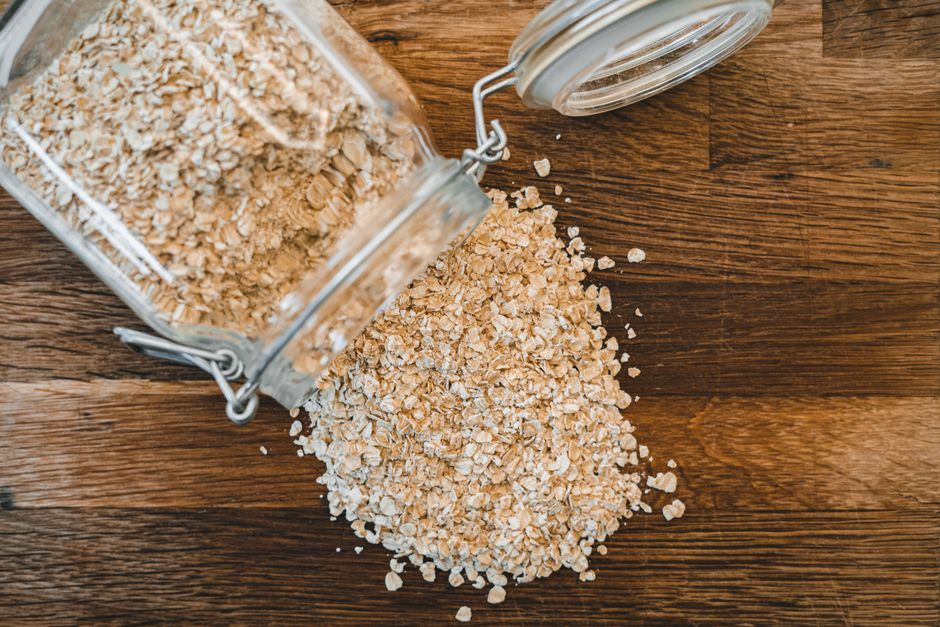
Are Rolled Oats Good for Weight Loss?
Most people assume oatmeal is automatically healthy, but the truth depends entirely on what you buy and how you prepare it. Rolled oats are whole grains with fiber and protein that can support weight loss, but the calorie count and added ingredients matter far more than the type of oat you choose.
Yes, rolled oats are good for weight loss when eaten as part of a balanced diet. A half-cup serving of dry rolled oats contains roughly 150 calories, about 5 grams of protein, and 4 grams of fiber. That fiber helps you feel full longer, which makes it easier to eat less throughout the day. The key is sticking to plain rolled oats rather than flavored instant packets that often contain added sugar.
Many people struggle with weight loss because they feel hungry between meals. Oatmeal’s soluble fiber forms a gel-like substance in your stomach, slowing digestion and keeping hunger at bay for hours. This article covers portion control, preparation methods, and common mistakes that turn a healthy breakfast into a calorie bomb.
Key Points at a Glance
| Point | What It Means | Why It Matters |
|---|---|---|
| Fiber content | 4 grams per half-cup serving | Keeps you full and slows digestion |
| Protein | 5 grams per half-cup serving | Supports muscle maintenance while losing fat |
| Calorie density | About 150 calories per dry serving | Easy to overeat without measuring |
| Added ingredients | Flavored packets contain sugar | Can double or triple the calorie count |
| Glycemic response | Lower than instant oats | Better blood sugar control throughout the morning |
How Do Rolled Oats Compare to Other Breakfast Options?
Rolled oats hold up well against most common breakfast foods. A bowl of rolled oats with water has fewer calories than a bagel with cream cheese, which typically runs 400 to 500 calories. It also provides more fiber than most cold cereals, even the ones marketed as healthy.
The processing matters too. Rolled oats are steamed and flattened but still intact enough to slow digestion. Instant oats are cut finer and pre-cooked, so your body breaks them down faster, causing a quicker blood sugar spike. Steel-cut oats take the longest to digest but require more cooking time, which makes rolled oats a practical middle ground.
I always measure my dry oats before cooking. It is surprisingly easy to pour double the portion without noticing, and that turns a 150-calorie breakfast into 300 calories before you add anything else.
What Is the Best Way to Prepare Rolled Oats for Weight Loss?
The cooking liquid and toppings make the biggest difference. Cooking oats with water keeps the calorie count at the base amount, while using whole milk adds roughly 150 calories per cup. Unsweetened almond milk adds only about 30 to 40 calories per cup and still gives a creamy texture.
Toppings are where most people unknowingly sabotage their breakfast. A tablespoon of brown sugar adds about 50 calories, and a handful of dried fruit can add 100 calories or more. Instead, try cinnamon, which adds flavor without calories, or a small handful of fresh berries for natural sweetness with fiber.
Are Rolled Oats Good for Blood Sugar and Cravings?
The beta-glucan fiber in rolled oats is the main reason they help with weight management. Research published in the Journal of Nutrition found that beta-glucan improves blood sugar regulation and increases feelings of fullness. Stable blood sugar means fewer energy crashes and fewer sudden cravings for sugary snacks.
That said, portion size still controls the outcome. A large bowl of oats with honey and banana can easily exceed 500 calories, which may not support weight loss depending on your daily calorie target. The oats themselves are not the problem, but the serving size and additions determine whether this breakfast helps or hurts your goals.
Some studies suggest that eating whole grains like oats is associated with lower body weight and less belly fat over time. The evidence is consistent, though the effect is modest. No single food causes weight loss on its own, and oats work best as part of an overall calorie-controlled diet.
What Mistakes Turn Rolled Oats Into a Weight Gain Food?
The most common mistake is buying flavored instant oatmeal. These packets often contain 10 to 15 grams of added sugar per serving, which puts them in the same category as candy bars for sugar content. Plain rolled oats contain zero added sugar.
Another frequent error is eating oats with sweetened nut milks or adding multiple toppings without tracking. A “healthy” bowl of oatmeal can quietly reach 700 calories when you combine maple syrup, dried fruit, nuts, and milk. Weighing or measuring your portions at least a few times helps you learn what a real serving looks like.
How Much Oatmeal Should You Eat for Weight Loss?
A standard serving is half a cup of dry rolled oats, which cooks to about one cup. This provides a filling breakfast for most women, especially when you add protein. Some people need slightly more, and some need less, depending on their daily calorie target and activity level.
If your weight loss plan allows around 1,400 to 1,600 calories per day, a 300-calorie oatmeal breakfast with protein and fruit fits comfortably. If you are following a lower-calorie plan, you may need to reduce the portion or skip the toppings entirely. The right amount depends on your specific calorie needs, which vary from person to person.
Related Articles
Frequently Asked Questions
Are rolled oats good for weight loss compared to steel-cut oats?
Both types support weight loss equally when portion sizes match. Steel-cut oats digest slightly slower, but the difference is minor for most people.
Can you eat rolled oats every day while losing weight?
Yes, eating rolled oats daily is fine for weight loss. Variety in your diet matters, but oats are a nutritious whole grain that works well as a regular breakfast.
Do rolled oats cause bloating or digestive issues?
Some people experience bloating when they suddenly increase fiber intake. Start with a smaller portion and gradually increase it to let your digestive system adjust.
Are flavored instant oats as healthy as plain rolled oats?
No, flavored instant oats typically contain 10 to 15 grams of added sugar per serving. Plain rolled oats have no added sugar and give you more control over what you add.
Is overnight oatmeal good for weight loss?
Overnight oats work well because they are prepared in advance, which helps with portion control. Just keep the add-ins minimal and measure your dry oats before mixing.
How many calories are in a bowl of rolled oats?
A half-cup of dry rolled oats has about 150 calories, and one cup of cooked oats has roughly the same amount. Added milk, fruit, nuts, and sweeteners add extra calories on top of that base.

The TDEECAL Team writes about nutrition, metabolism, and fat loss the way we built our calculator, with real numbers and no hype. We dig into the research so you don’t have to guess.