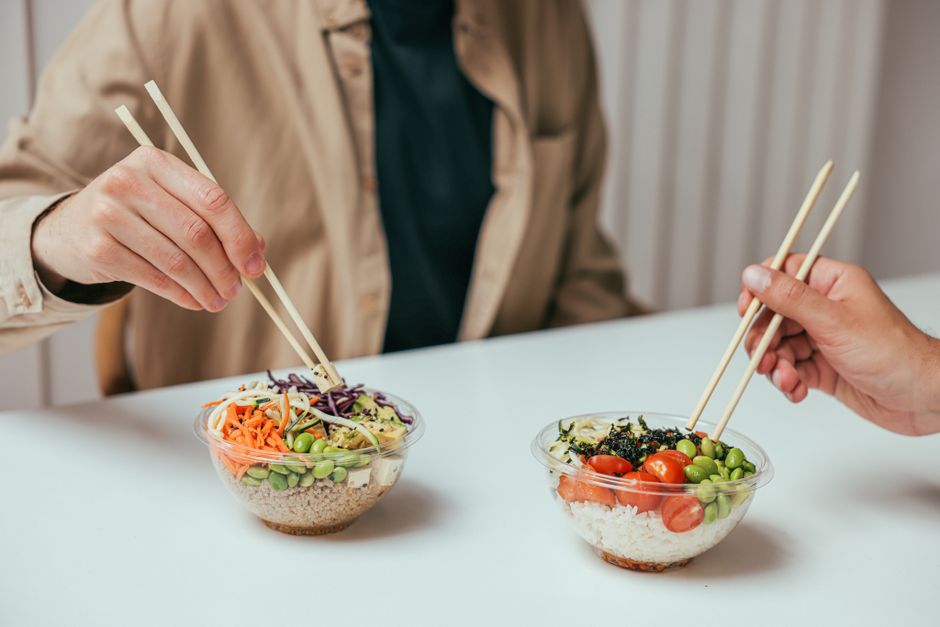
You’ve probably noticed rice bowls everywhere lately, from meal-prep videos to restaurant menus, and you’re wondering if they fit into your weight loss plan.
Yes, are rice bowls good for weight loss — they can be, provided you build them with the right balance of protein, fiber, and controlled portions. A well-constructed rice bowl can keep you full for hours and fit neatly into a calorie deficit, while a poorly built one can quietly pack 800 or more calories into a single meal.
The confusion is understandable. Rice has a reputation for being a “bad carb,” but that label ignores how portion size and toppings change the picture. This article breaks down what the evidence actually says about rice bowls and weight loss, how to build one that works, and the common mistakes that turn a healthy meal into a calorie bomb.
You won’t find a one-size-fits-all meal plan here. Instead, you’ll get practical, evidence-based guidance you can adapt to your own kitchen and your own goals.
Key Points at a Glance
| Point | What It Means | Why It Matters |
|---|---|---|
| Portion control | Keep rice to about 1 cup cooked per meal | Rice is calorie-dense; a measured portion keeps the bowl in range |
| Protein first | Add 4–6 ounces of lean protein | Protein increases fullness and helps preserve muscle during weight loss |
| Fiber matters | Fill half the bowl with vegetables | Fiber slows digestion and reduces cravings later |
| Sauce strategy | Use 2 tablespoons of sauce max | Liquid calories from sauces can add 200+ calories unnoticed |
| Rice type | Brown rice offers more fiber than white | More fiber means steadier blood sugar and longer fullness |
Are Rice Bowls Good for Weight Loss When Built Correctly?
Rice bowls are good for weight loss when they follow a simple ratio: half vegetables, a quarter lean protein, and a quarter rice. That structure naturally controls calories while providing the volume and nutrients that keep you satisfied. Research consistently shows that meals high in protein and fiber support weight loss better than meals that skimp on either.
The key is treating the rice as a supporting player, not the main event. A bowl with one cup of cooked rice, a palm-sized portion of chicken, and two cups of roasted vegetables lands around 450 to 550 calories — a reasonable meal for most women aiming to lose weight. I always measure my rice with a measuring cup at home; eyeballing it tends to add an extra half-serving without you noticing.
How Many Calories Are in a Typical Rice Bowl?
A typical restaurant rice bowl ranges from 600 to 1,000 calories, depending on the protein, sauce, and extras like cheese or fried toppings. A homemade bowl built with the half-vegetable, quarter-protein, quarter-rice structure usually lands between 400 and 600 calories. That difference matters when you’re trying to stay in a calorie deficit.
USDA data shows that one cup of cooked white rice contains roughly 200 calories, while the same amount of brown rice provides about 220 calories with more than double the fiber. The rice itself isn’t the problem — it’s the portions and the add-ons. When I order a rice bowl out, I ask for sauce on the side and use about half of what they give me.
Which Rice Is Best for Weight Loss?
Brown rice is generally the better choice for weight loss because its fiber content slows digestion and keeps blood sugar steadier. White rice is not inherently bad, but it digests faster, which can lead to a quicker return of hunger. Some studies suggest that replacing white rice with brown rice is linked to lower body weight, though the overall effect is modest.
Other options like cauliflower rice cut calories dramatically — a cup has about 25 calories versus 200 for white rice. But don’t feel forced to switch completely. Many people find that mixing half cauliflower rice with half regular rice gives a satisfying texture while cutting calories in half. That compromise works well for clients who miss the real thing.
What Are the Common Mistakes That Make Rice Bowls Unhealthy?
The biggest mistake is letting sauces and dressings double the calorie count. A typical teriyaki or creamy sauce adds 150 to 250 calories per quarter-cup, and most bowls come with much more than that. The second mistake is skipping the protein or choosing fried options, which leaves you hungry an hour later.
Another frequent error is using rice as the base of the bowl rather than the vegetables. When rice takes up half the bowl, you’re eating 400 to 500 calories of carbs before you even add anything else. I always build my bowl vegetables first, then protein, then rice on top — that visual structure keeps the proportions honest.
How to Build a Weight Loss Rice Bowl in 5 Minutes
Start with one cup of cooked rice, preferably brown or a brown-white mix. Add four to six ounces of grilled chicken, shrimp, tofu, or lean beef. Then pile on at least two cups of vegetables — roasted broccoli, bell peppers, carrots, or leafy greens all work well.
Finish with a modest sauce portion and a source of healthy fat like avocado or a sprinkle of sesame seeds. This structure delivers roughly 30 grams of protein and 10 grams of fiber, which research links to better appetite control. I prep my rice and protein on Sunday so weekday bowls come together in minutes, and I keep a bag of frozen roasted vegetables for days when fresh produce is running low.
Related Articles
Frequently Asked Questions
Can I eat rice bowls every day while losing weight?
Yes, you can eat a well-portioned rice bowl daily and still lose weight, as long as it fits your calorie target. The variety of vegetables and proteins keeps meals interesting and nutritionally balanced.
Is white rice or brown rice better for weight loss?
Brown rice is slightly better because it has more fiber and digests more slowly, helping you feel full longer. White rice is fine in moderation if portion control is maintained.
How much rice should I put in a weight loss bowl?
Stick to about one cup of cooked rice, which is roughly 200 calories. This portion provides energy without pushing the meal into excess calorie territory.
Are rice bowls from restaurants good for weight loss?
Restaurant rice bowls can work if you ask for sauce on the side and eat only half the rice. Most restaurant portions contain double the rice and triple the sauce you’d use at home.
What protein is best for a weight loss rice bowl?
Grilled chicken, shrimp, tofu, and lean beef are all excellent choices with high protein and moderate calories. Fried proteins like tempura or breaded chicken add unnecessary calories and fat.
Can I eat rice bowls at night and still lose weight?
Yes, eating a rice bowl at night does not prevent weight loss as long as you stay within your daily calorie budget. The timing of meals matters far less than total daily intake.
Use the TDEE Calculator to find your maintenance calories, then subtract 300 to 500 calories for a sustainable deficit. That number tells you exactly how many rice bowls — and everything else — fit into your day.

The TDEECAL Team writes about nutrition, metabolism, and fat loss the way we built our calculator, with real numbers and no hype. We dig into the research so you don’t have to guess.